Do You Need Gloves for a Rowing Machine?
On this page (7 sections)
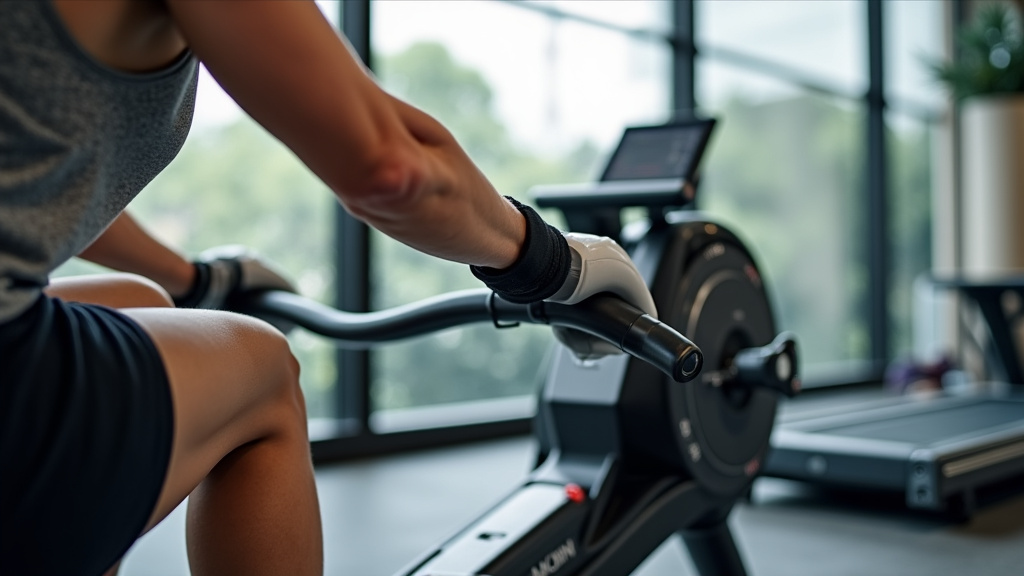
So, you’re wondering if you really need gloves for your rowing machine workouts. The short answer is: you probably don’t, but it really depends on your personal comfort and workout intensity. While many rowers skip gloves altogether, some find they can prevent blisters and improve grip, especially during longer sessions.
We’ve looked into what works best for rowers, and it turns out your hands are pretty tough! Your body naturally builds up calluses to protect itself. However, if you’re just starting out or planning some seriously long rows, gloves can offer an extra layer of comfort and protection against potential soreness.
- Gloves aren’t usually necessary for most rowers.
- Your hands can build calluses to protect themselves.
- Gloves might help prevent blisters for beginners.
- They can offer extra comfort during long workouts.
- Consider your personal comfort and workout length.
Let’s get into the nitty-gritty about whether rowing gloves are right for your home gym setup.
Should You Wear Gloves on Your Rowing Machine?
When you’re getting ready for your rowing machine session, you might pause and wonder about gloves. Are they a must-have accessory? We’ve found that for most people, the answer is a simple no. Your body is designed to handle gripping, and calluses are your hands’ natural armor. But this doesn’t mean gloves are never a good idea. Let’s break down when they might benefit you.
Think of your hands like a well-worn tool. The more you use them for gripping, the tougher they become. Rowing is no different. Consistent rowing builds up calluses on your palms, which actually protect you from getting blisters. This is a totally normal and healthy response from your body.
Understanding Hand Calluses and Blisters
Calluses form when your skin experiences repeated friction or pressure. On the rowing machine, this happens where your hands grip the handle. The outer layer of skin thickens to create a protective barrier. This is a natural process that helps prevent discomfort during repetitive actions.
Blisters, on the other hand, are fluid-filled pockets that form when there’s excessive friction or irritation. This often occurs when the skin is not yet tough enough to handle the strain. For beginners, this is when gloves might seem like a good idea to Gloves can help avoid initial pain and skin damage for new users.avoid that initial pain and potential skin damage.
The Role of Grip in Rowing
Your grip on the rowing handle is essential for transferring power and maintaining control. A firm but relaxed grip is key. You don’t need to white-knuckle the handle. Too tight a grip can lead to sore hands and forearms, even without gloves. The goal is to let the handle rest comfortably in your palms and fingers.
Many experienced rowers find that with practice, they develop the right technique. This technique minimizes unnecessary friction. They learn to relax their grip during certain parts of the stroke. This often means that gloves become less necessary over time as their hands toughen up and their technique improves.
When Gloves Might Be a Good Idea
So, if calluses are nature’s way of protecting you, why would you ever need gloves? Well, there are a few specific situations where rowing gloves can offer extra comfort and protection.
For the Beginner Rower
If you’re brand new to rowing, your hands are likely unaccustomed to the repetitive grip. You might be more prone to developing painful blisters early on. Gloves can act as a buffer, reducing the direct friction between your skin and the handle. This can make your initial workouts more comfortable and help you build the habit without discouragement. For new rowers, gloves can offer added confidence and comfort.
We found that many new rowers appreciate the added confidence gloves provide. They can focus more on their form and less on the potential for hand pain. It’s like wearing padded cycling gloves when you first start riding longer distances. It makes the experience more enjoyable from the start.
During Long Rowing Sessions
Even seasoned rowers might consider gloves for exceptionally long workouts. If you’re planning to row for an hour or more, the cumulative friction can start to wear on your hands. Gloves can provide a consistent layer of padding. This can help prevent soreness and blisters that might otherwise develop towards the end of your session.
Think about it: if you were going on a very long hike, you’d wear comfortable socks. Rowing gloves can serve a similar purpose for extended rowing efforts. They offer that extra cushion when your hands might otherwise feel fatigued or raw.
If You Have Specific Skin Conditions
Some individuals have naturally sensitive skin or conditions like eczema. For these users, the friction from rowing can be particularly irritating. Gloves can be a practical solution to protect their skin and allow them to enjoy rowing without discomfort. Always consult with a dermatologist if you have concerns about skin conditions and exercise.
Personal Preference and Comfort
Ultimately, comfort is king! Some people just prefer the feel of gloves. They might find that gloves improve their grip, especially if their hands tend to get sweaty. A secure grip is important for effective rowing. If gloves help you feel more secure and comfortable, then they are a worthwhile addition to your setup. It’s all about what makes your workout feel best for you.
What to Look for in Rowing Gloves
If you’ve decided gloves are for you, choosing the right pair is important. Not all gloves are created equal, especially for rowing. You want something that offers protection without hindering your grip or movement.
Material and Padding
Look for gloves made from breathable materials like mesh or perforated leather. This helps with ventilation and reduces sweat buildup, which can actually increase slippage. The padding should be strategically placed on the palm and fingers. It should offer cushioning without making the grip too bulky.
Many experts suggest that thin, flexible padding is best. You want to feel the handle clearly. Overly thick gloves can make it hard to maintain a natural hand position. The goal is to enhance comfort, not to create a barrier that interferes with your stroke. Materials like synthetic leather or a combination of fabric and gel padding often work well.
Fit and Dexterity
A good fit is crucial. The gloves should feel snug but not tight. They shouldn’t bunch up or slip around your hands. You need to be able to move your fingers freely. Your ability to grip and release the handle smoothly is key to a good rowing technique.
Check the sizing carefully. Many brands offer detailed sizing charts. Try them on if possible. You want a glove that feels like a second skin, offering protection and a secure grip without making you feel clumsy. A glove that is too loose can actually cause more friction than no glove at all.
Durability and Washability
Rowing can be tough on gear. Look for gloves made with durable stitching and materials that can withstand repeated use and washing. Since your hands will sweat, being able to wash your gloves easily is a big plus. This helps keep them hygienic and fresh for your next workout.
Alternatives to Rowing Gloves
If gloves aren’t your cup of tea, or you’re looking for other ways to manage hand comfort, there are alternatives. These can help you build up your hand’s natural defenses or manage sweat.
Proper Grip Technique
As mentioned, mastering your grip is fundamental. Avoid squeezing the handle too tightly. Let your thumb wrap naturally around it. Focus on a relaxed, firm grip that you can maintain throughout the stroke. Good technique reduces friction points.
Hand Cream and Moisturizers
Keeping your hands moisturized can help prevent dry, cracked skin, which is more prone to blisters. However, it’s important to use moisturizers sparingly before rowing. Too much lotion can make your hands slippery. Opt for a rich, hydrating cream applied after your workout to keep your skin healthy. Many sources recommend using these at night.
Anti-Chafe Balms or Sprays
For targeted protection, some athletes use anti-chafing balms or sprays on their hands. These create a smooth, protective barrier. They can be a good option if you experience specific hot spots where blisters tend to form. Research different brands to find one that suits your needs.
Sweat Management
Excessive sweat can lead to a slippery grip and increase friction. Wiping your hands with a towel between strokes or sets can help. You can also try using chalk, similar to what weightlifters use, though this is less common for rowers. Ensuring good ventilation in your workout space can also help reduce sweat.
The Verdict: To Glove or Not to Glove?
The decision to wear gloves on your rowing machine comes down to your personal experience. For many, they are an unnecessary accessory. Your hands are designed to adapt and build resilience.
However, if you’re a beginner experiencing discomfort, planning an endurance row, or have sensitive skin, gloves can offer a welcome layer of protection and comfort. It’s about finding what makes your rowing journey smooth and enjoyable. Don’t be afraid to experiment to see what works best for you and your hands!
Quick Checklist for Your Rowing Hands:
- Assess your current hand comfort level.
- Consider the length and intensity of your typical rowing sessions.
- Are you experiencing blisters or significant soreness?
- Do you have any pre-existing skin conditions on your hands?
- Try improving your grip technique first.
- If needed, test out a pair of rowing-specific gloves.
Conclusion
Ultimately, the choice to wear gloves on your rowing machine is a personal one. For many rowers, hands naturally build up protective calluses, making gloves unnecessary. Your body is quite capable of adapting to the demands of rowing. However, if you’re experiencing discomfort, are new to the sport, or plan extended rowing sessions, gloves can offer a welcome layer of comfort and blister prevention. We’ve found that prioritizing good technique and listening to your body is key. If gloves enhance your workout experience, then by all means, find a pair that fits you well and keeps you rowing smoothly.
Frequently Asked Questions
Will rowing gloves make my grip stronger?
Gloves themselves don’t inherently make your grip stronger. A strong grip comes from proper technique and practice. However, some people find that gloves help prevent slippage due to sweat, which can lead to a more secure feeling and a consistent grip. This can indirectly help you maintain better control during your rows.
How often should I wash rowing gloves?
It’s a good idea to wash your rowing gloves after every few uses, or whenever they start to feel grimy or smell. Sweat and oils can build up, affecting hygiene and the material’s condition. Check the care instructions on your gloves, but generally, a gentle cycle with mild detergent and air drying works well.
Can I use regular workout gloves for rowing?
You can use regular workout gloves, but rowing-specific gloves are often designed with particular features in mind. Rowing handles can cause different friction points than those found in weightlifting. Rowing gloves usually have padding tailored for the grip, and materials chosen for breathability and durability during repetitive motion.
My hands sweat a lot when rowing, what should I do besides gloves?
If excessive sweat is an issue and you prefer not to use gloves, try keeping a small towel handy to wipe your hands between strokes or sets. Focusing on a relaxed grip can also help reduce friction. Some rowers also find that ensuring good ventilation in their workout space helps manage overall body sweat.
Are hand calluses on a rowing machine bad?
Hand calluses from rowing are generally not bad; they are your body’s natural way of protecting your skin from friction. They indicate that your hands are getting stronger and more accustomed to the activity. While they can sometimes feel rough, they are a sign of adaptation and usually prevent blisters from forming.