Is Rowing Machine Safe For Prolapse?
For many individuals with pelvic organ prolapse, a rowing machine can be a safe and effective exercise tool, provided proper technique and modifications are used.
However, always consult with your doctor or a pelvic floor physical therapist before starting or continuing a rowing machine workout with prolapse to ensure it’s appropriate for your specific condition.
- A rowing machine can be safe for prolapse with careful modifications.
- Always consult a doctor or pelvic floor therapist before you start.
- Focus on impeccable form and avoid straining your pelvic floor.
- Adjust your technique: reduce resistance, shorten strokes, and keep your core active.
- Listen closely to your body’s signals and stop if you feel discomfort.
Is Rowing Machine Safe For Prolapse?
Yes, for many, a rowing machine can be safe for prolapse when approached with knowledge and care. It’s about smart adjustments and really listening to your body.
Understanding Pelvic Organ Prolapse
Pelvic organ prolapse (POP) occurs when pelvic organs like the bladder, uterus, or rectum drop from their normal position. It’s a common condition, often described as a feeling of pressure or a bulge.
Think of your pelvic floor muscles as a hammock supporting these organs. When this hammock weakens, organs can descend (Mayo Clinic).
Why Is Exercise a Concern with Prolapse?
Certain exercises can increase downward pressure on your pelvic floor. This pressure, especially with poor form, might worsen symptoms or progression of prolapse.
Many people worry about high-impact activities or heavy lifting. It’s about finding movements that support, rather than strain, your body.
Rowing Machine Basics and Your Pelvic Floor
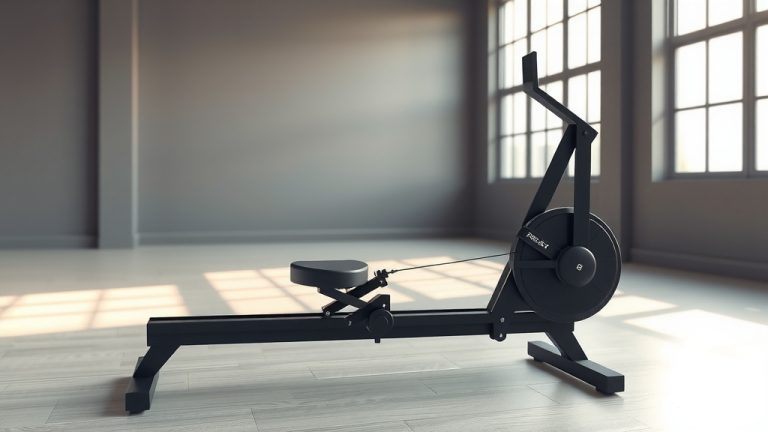
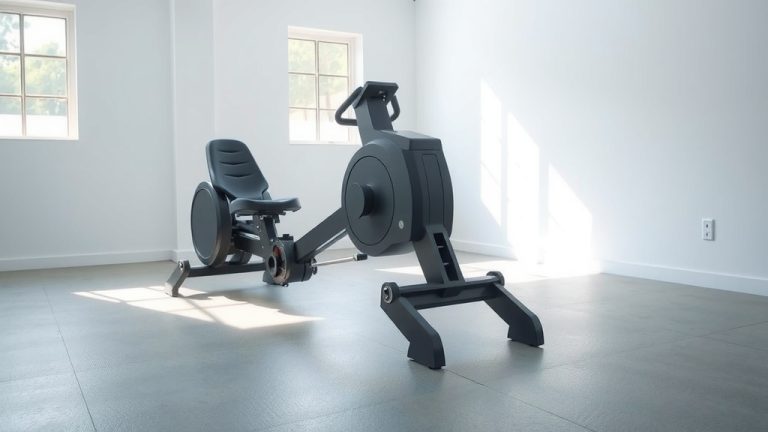
A rowing machine uses almost every major muscle group, offering a fantastic full-body workout. You push with your legs, pull with your arms, and engage your core.
The “catch” phase of rowing, where you lean forward, and the “drive” phase, where you push back, can put varied demands on your abdominal and pelvic areas.
The Risk of Incorrect Form
Bending too far forward at the catch or pushing too hard from your glutes without proper core engagement can create unwanted pressure. This is a common pitfall we found in many workouts.
Slouching or rounding your back also places stress on your spine and pelvic floor. Proper posture is non-negotiable for safety.
Making Rowing Prolapse-Friendly
You can enjoy rowing with prolapse by taking some smart, proactive steps. It’s about making the machine work for you, not against you.
Get Medical Clearance First
Before you even think about adjusting your stroke, talk to your doctor or a pelvic floor physical therapist. They can assess your specific condition and offer tailored advice.
This isn’t just a suggestion; it’s a smart first step. They can confirm if rowing is suitable and guide your approach (Cleveland Clinic).
Focus on Flawless Form
Good form is your best friend when exercising with prolapse. It reduces strain and helps you get the most from your workout without risk.
Imagine your spine is long and straight, like a perfectly stacked set of blocks. Avoid rounding your back at any point.
Engaging Your Core, Not Your Pelvic Floor
Your deep abdominal muscles, your transverse abdominis, are key. Think of gently drawing your belly button towards your spine, not sucking it in hard.
This subtle core engagement helps support your organs without pushing down on your pelvic floor. It’s about stability, not brute strength.
Mind Your Breathing
Avoid holding your breath, especially during the powerful “drive” phase. Holding breath can increase intra-abdominal pressure, which is something you want to avoid.
Exhale on the drive (when you push back) and inhale on the recovery (when you slide forward). This breathing pattern helps regulate pressure naturally.
Adjusting Your Rowing Technique
Small changes can make a big difference for your comfort and safety. Here are some adjustments we found helpful for many:
- Lower the resistance: Start with light resistance to reduce the strain. You can gradually increase it as your strength improves.
- Shorten your stroke: Avoid reaching too far forward at the catch or leaning too far back at the finish. Keep your movements controlled.
- Gentle leg drive: Focus on a smooth, controlled push with your legs instead of an explosive, jarring force.
- Maintain upright posture: Keep your chest open and shoulders relaxed. Avoid slouching at the catch or slumping at the finish.
Consider your entire body position. Are you pushing up through your sit bones or feeling pressure downwards? Adjust until it feels balanced.
Listen to Your Body
This is arguably the most important piece of advice. Your body provides feedback; you just need to listen.
If you feel any increased pressure, heaviness, dragging, or discomfort, stop immediately. It’s not a sign of weakness, but a sign of smart self-care.
Pushing through pain never leads to better health, especially with prolapse. Rest, reassess, and consider what might need adjusting.
Alternatives and Complementary Exercises
If rowing feels uncomfortable, or if you’re cleared for it but want to cross-train, consider other low-impact options. Swimming, walking, and stationary cycling are often good choices.
Pelvic floor exercises, often called Kegels, are also important. A physical therapist can guide you to perform them correctly. Many experts say proper pelvic floor engagement is a cornerstone of recovery (NIH).
When to Stop and Seek Advice
Knowing when to pause and get help is a sign of strength. If you notice any of these symptoms while rowing, or even afterwards, stop and contact your healthcare provider:
- Increased vaginal heaviness or pressure.
- New or worsened bulge sensation.
- Lower back pain.
- Difficulty with bladder or bowel control.
- General discomfort or pain.
Creating a Safe Rowing Routine Checklist
Here’s a quick checklist to help you make your rowing sessions safe and productive:
- Get medical clearance from your doctor or pelvic floor physical therapist.
- Start with low resistance and a shorter stroke length.
- Focus on maintaining excellent posture throughout the entire stroke.
- Practice gentle, controlled breathing; exhale on the drive, inhale on recovery.
- Engage your deep core muscles, not just your pelvic floor.
- Listen to your body carefully; stop if you feel any pressure or discomfort.
Conclusion
Rowing with prolapse can be a highly beneficial exercise. It offers a low-impact, full-body workout that supports overall fitness. By prioritizing medical advice, flawless form, gentle adjustments, and attentive listening to your body, you can safely enjoy the many advantages of a rowing machine.
FAQs
Is high-intensity interval training (HIIT) on a rowing machine safe with prolapse?
HIIT can place higher demands on your pelvic floor due to increased intensity and potential for straining. It’s often recommended to avoid HIIT with prolapse, especially early on. Consult your physical therapist for personalized guidance before considering any high-intensity activities.
Can a rowing machine help strengthen my pelvic floor?
A rowing machine primarily strengthens major muscle groups like legs, back, and core. While it indirectly engages your core, it’s not a primary pelvic floor strengthener. Specific pelvic floor exercises, guided by a therapist, are better for direct strengthening.
What resistance level should I use on a rowing machine with prolapse?
Start with a very low resistance level, often the lowest setting available. This allows you to focus on form and controlled movements without excessive strain. Gradually increase resistance only if you feel absolutely no symptoms or pressure.
Should I wear a support garment while rowing with prolapse?
Some people find a supportive garment, like a pelvic support belt or compression shorts, helpful for comfort during exercise. Discuss this with your doctor or physical therapist; they can recommend appropriate support based on your specific needs.
How often should I row if I have prolapse?
Begin with shorter, less frequent sessions, perhaps 10-15 minutes, 2-3 times a week. Gradually increase duration or frequency as your body adapts and you remain symptom-free. Always prioritize proper form and listening to your body over strict adherence to a schedule.