How to Fix a Loose Rowing Machine Belt
A loose rowing machine belt often needs a check for tangles, a displaced return strap, or an adjustment specified in the manual. Unplug or stop the rower, inspect the belt path, and don't tighten a spring or fastener unless the manufacturer gives instructions.
On this page (5 sections)
A loose rowing machine belt may be tangled, off its guide, or affected by a return mechanism that needs a model-specific adjustment. Stop rowing, inspect the belt path, and follow the rower's manual before tightening or lubricating anything.
A belt driven rower can feel slack when the handle does not pull smoothly or fails to retract as expected. The right fix depends on the machine, so don't assume every belt uses the same tension method.
What should you check first when a rowing machine belt is loose?
Stop using the rower and inspect the belt for a visible twist, snag, or damaged section. Keep fingers away from pulleys, springs, and openings while checking the path.
If the machine has a power connection, switch it off and unplug it before inspecting parts near a motor or powered console. Place the handle in its resting position and check whether the belt sits on its guide as the manual shows.
Look for fraying, cuts, loose stitching, or a belt that has pulled away from an attachment point. Don't use the machine if you see damage, hear a snap, or notice that the handle suddenly stops returning.
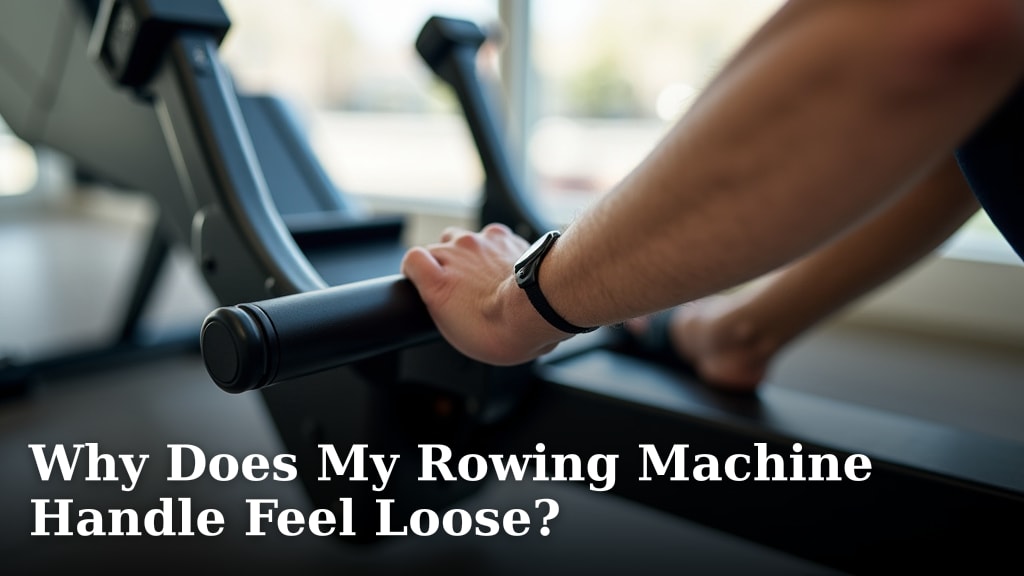
A loose handle can also come from a grip or strap connection rather than the drive belt. See Why Does My Rowing Machine Handle Feel Loose? if the handle itself moves independently.
How do you fix belt slack without over-tightening it?
Use only the tension adjustment described for your exact model. Some rowers do not have a user-adjustable belt, and forcing a fastener or spring can make the return problem worse.
Check the manual for a belt routing diagram and any steps for resetting a displaced strap. If it shows an adjustment, make small changes in the stated order, then test the handle gently without sitting on the machine.
Don't pull the belt tight by hand or add knots, clips, or improvised ties. These changes can interfere with the return mechanism and may damage the belt or pulley.
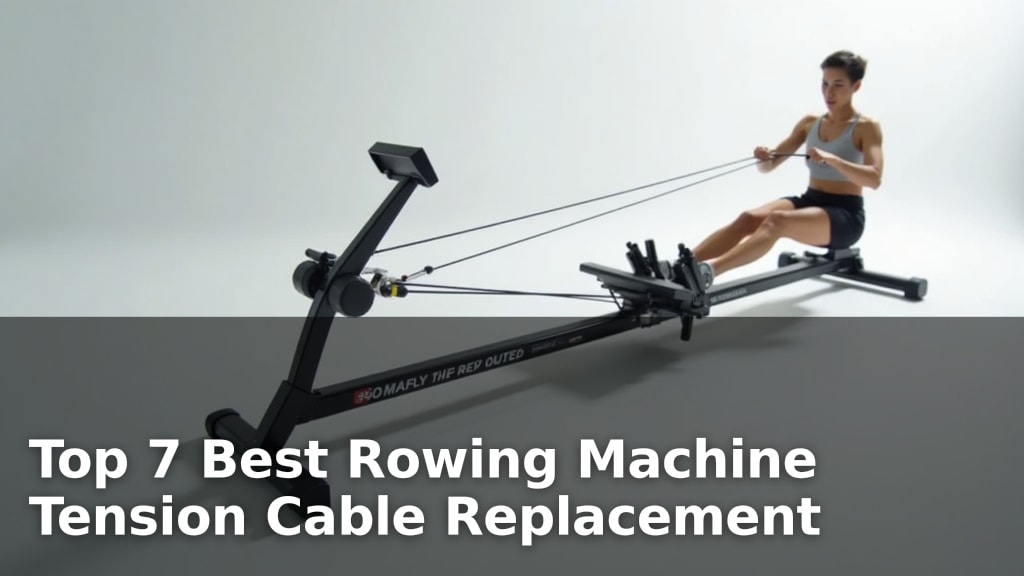
If the machine still has slack, see Why Is My Rowing Machine Resistance Not Working? for checks related to resistance and drive components. If the manual points to a cable part, compare it with Best Rowing Machine Tension Cable Replacement and confirm model compatibility before ordering.
What if a water rower strap will not rewind?
A strap that will not rewind may have a return mechanism issue rather than simple belt tension. Don't keep pulling it out or wind it onto the drum by guesswork.
Follow the manufacturer’s steps for your model, since strap routing and return springs differ. Our guide on how to rewind rowing machine water resistance covers a water rower's strap return problem.
Should you lubricate a loose rowing machine belt?
Lubrication is not a belt-tension fix. Use a lubricant only when the rower's manual names the part and product type; many belts and return components should not be sprayed or greased.
For the separate chain on a Concept2, see how to oil a Concept2 rower chain.
A lubricant can move onto the belt surface or collect dust if applied in the wrong place. Keep oils and sprays away from the belt, foot straps, handle, and seat unless the maker's instructions explicitly say otherwise.
Petrol-Gel is a food-grade equipment lubricant described for machinery parts and gym equipment. Use it only if your rower's manual approves this type for a specific component.
WD-40 Specialist Silicone Lubricant is described for tracks, cables, pulleys, and machine equipment, with a clear finish. The rower's manual should still determine whether it is suitable for a particular part.
The 1DFAUL lubricant is made for treadmill belts and tracks, so it isn't a default choice for a rowing machine belt. Don't substitute a treadmill lubricant unless the rower manufacturer specifically approves it.
When should you replace the belt or call for service?
Replace a visibly damaged belt or get service if the tension problem returns after the approved adjustment. A stretched or frayed belt can slip under load, and continued use may damage nearby parts.
Stop and contact the manufacturer if a spring is exposed, the belt attachment is loose, or the handle snaps back unusually fast. Avoid opening a sealed housing or working on a loaded spring without model-specific service instructions.
For general troubleshooting steps, see How To Fix Rowing Machine?. If the rower's belt is sound but the seat squeaks, our guide to How to Fix a Squeaky Rowing Machine Seat covers that separate issue.
How can you prevent rowing machine belt slack from returning?
Keep the belt path clean and follow the maintenance schedule in the manual. Check for twists and wear during routine cleaning, and avoid pulling the handle beyond its normal range.
Store the rower as directed and keep dust away from exposed tracks and pulleys. Don't apply lubricant as a preventive step unless the manual calls for it.
For a loose rowing machine belt, start with the belt path and model instructions, then adjust only an approved tension point. Replace worn parts when needed, and stop using the machine if the belt or return system looks damaged.
Frequently asked questions
Why is my rowing machine belt loose?
A belt can feel loose if it has slipped off its guide, is tangled, or is not returning correctly. Some rowers use a return spring or tension mechanism that needs a model-specific adjustment.
Check the manual and inspect the path before changing tension or opening the housing.
Can I tighten a rowing machine belt myself?
Only tighten it if the manufacturer provides instructions for your model and the adjustment is accessible without unsafe disassembly. Stop if the belt is frayed, the spring is exposed, or the handle does not retract normally.
Contact the manufacturer or a repair technician for those problems.
Can I use silicone spray on a rowing machine belt?
Don't spray a belt or internal mechanism unless your rower's manual approves that lubricant and location. Lubricant can attract dirt, affect grip, or reach parts that should stay dry.
If the manual calls for lubrication, apply only the specified product to the named component.
When should I replace a rowing machine belt?
Replace a belt when it is frayed, cracked, stretched, or repeatedly slips after the approved adjustment. Match the replacement to your rower model, because belt length and attachment details vary.
If the belt connects to a tension cable, inspect the manual before ordering a part.