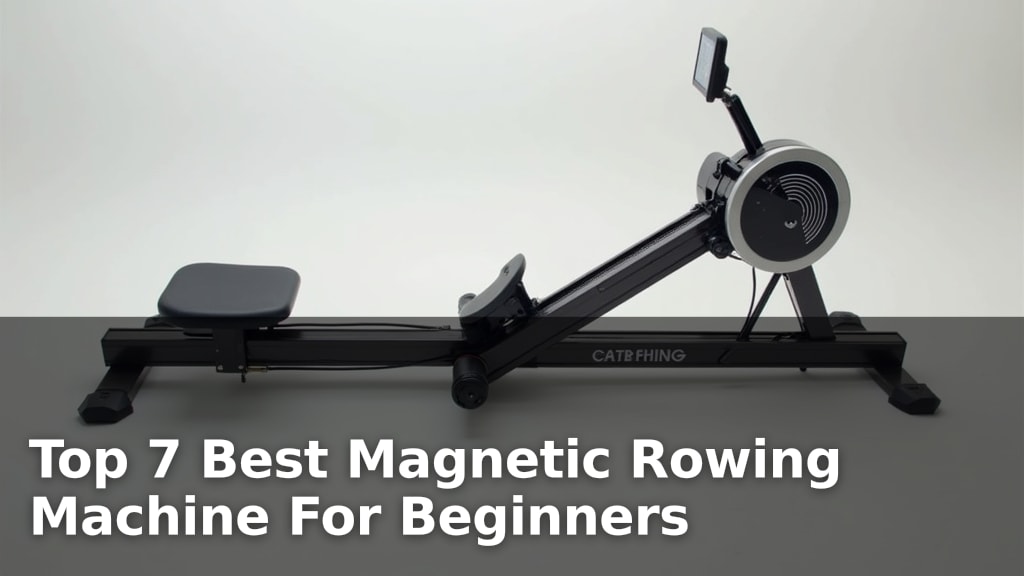
What Is a Concept2 Rowing Machine?
On this page (3 sections)
A Concept2 Rowing Machine is a popular piece of exercise equipment that mimics the motion of rowing a boat on water. It provides a full-body workout, using both your arms and legs. Many people choose the Concept2 for its durability and effective fitness results.
These machines are known for their air-resistance flywheel system, which makes your workout smoother. You can find them in gyms everywhere, or you might even have one at home. They are a go-to choice for people who want a reliable and challenging cardio machine.
- Concept2 machines simulate rowing.
- They offer a full-body workout.
- Air resistance provides a smooth experience.
- Popular for home use and gyms.
- Known for being durable.
Ready to learn more about what makes a Concept2 rowing machine stand out? We’ll break down all the details.
Understanding the Concept2 Rowing Machine
A Concept2 Rowing Machine is essentially a high-quality exercise device designed to replicate the challenging yet fluid motion of rowing on water. It’s a fantastic tool for getting a full-body workout right in your home or at the gym.
This machine is built for durability and performance. You’ll often see it chosen by athletes and fitness enthusiasts alike due to its reliability and the consistent workout it offers.
The Core Components of a Concept2 Rower
What makes a Concept2 rower tick? It’s a pretty clever design, actually. Let’s break down the main parts you’ll interact with every time you sit down to row.
The Flywheel and Damper
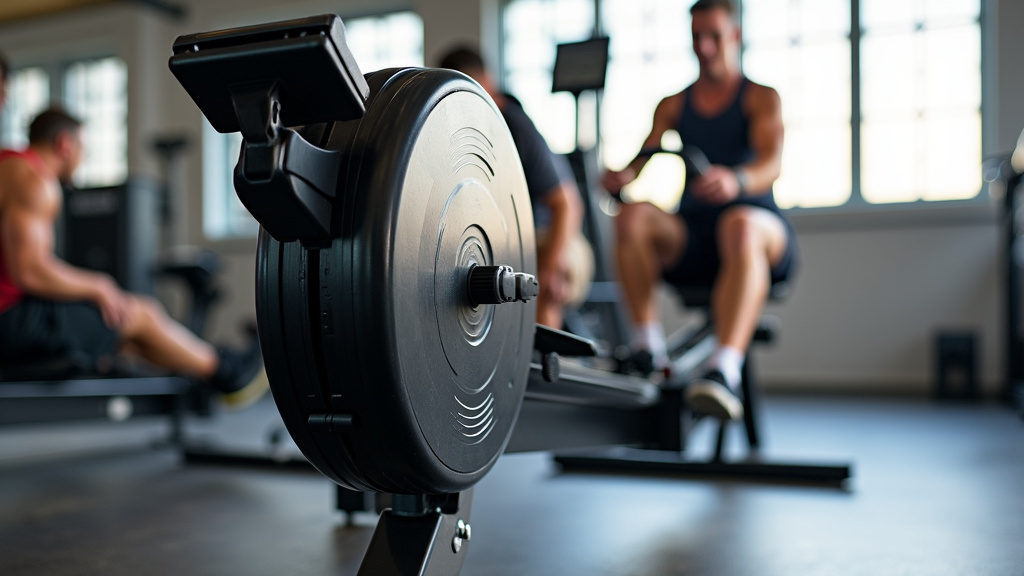
At the heart of the Concept2 is its air-resistance flywheel. When you pull on the handle, it spins this flywheel. The faster and harder you pull, the more air resistance you create. This mimics the feel of gliding a boat through water.
Attached to the flywheel is the damper. Think of the damper setting like gears on a bike. It controls how much air enters the flywheel. A higher setting (like 10) means more air, creating a heavier feel and requiring more effort to get the flywheel spinning. A lower setting (like 1) feels lighter and spins up faster.
Remember, the damper isn’t about intensity; it’s about the feel of the stroke. Many people find a middle setting like 3 or 4 offers the best simulation of a boat on water (Concept2). Experiment to find what feels right for your body.
The Performance Monitor (PM)
This is where you get all your workout data. The Performance Monitor (PM) is your electronic dashboard, giving you instant feedback on your efforts. It tracks things like distance, speed, pace, and calories burned.
The PM isn’t just a basic display. It’s quite sophisticated, offering different screens and workout programs. You can choose from pre-set workouts, race against a pacer, or even connect to apps for a more interactive experience.
These monitors are known for being accurate and reliable, which is why many competitive rowers use Concept2 machines for training.
The Seat, Handle, and Footrests
You sit on a comfortable, yet firm, sliding seat. This seat moves smoothly along a monorail as you push and pull. The handle is connected to the flywheel by a chain or cord, and it’s designed for a strong, ergonomic grip.
Your feet are secured in adjustable footrests with straps. This ensures you can apply maximum power through your legs without slipping. Proper setup of these components is key for an effective and safe workout.
How a Concept2 Rower Works: The Rowing Stroke
Rowing on a Concept2 machine involves a powerful full-body movement. It’s not just about your arms, though that’s a common misconception. In fact, your legs do most of the work.
The stroke breaks down into four main phases: the catch, the drive, the finish, and the recovery. Mastering these phases will help you get the most out of your workout and prevent injury (American Council on Exercise).
The Catch (Preparation)
This is your starting position. Your knees are bent, shins are vertical, and your arms are extended forward. You’re leaned slightly forward from your hips, ready to begin the stroke.
Your core muscles should be engaged here, and your back straight. Think of it as coiling a spring, ready to release energy.
The Drive (The Push)
This is the powerhouse phase. You push strongly with your legs first, driving the seat backward. As your legs extend, your core engages, and then your back swings slightly open. Finally, as your legs are nearly straight, you pull the handle towards your upper abdomen with your arms.
This sequence—legs, core, arms—is critical. It ensures you’re using more muscle groups efficiently, delivering a much more powerful stroke.
The Finish (The End)
At the finish, your legs are fully extended, your body is slightly reclined, and the handle is drawn to your body, typically just below your ribs. Your elbows are bent and behind you. This is the end of the powerful part of the stroke.
Hold this strong position for a moment before beginning the recovery. It helps build good muscle memory.
The Recovery (Reset)
This is the return to the catch position. It should be a controlled, relaxed movement. You extend your arms away from your body first. Then, you pivot forward from your hips. Finally, you allow your knees to bend, sliding the seat forward.
The recovery should be about twice as long as the drive. This ratio helps your muscles recover and prepares you for the next powerful stroke. It’s a moment to breathe and reset.
Why Choose a Concept2 Rower? Key Benefits
So, with all this technical stuff, why do so many people gravitate towards Concept2? It boils down to a few compelling reasons.
- Full-Body Workout: You engage about 86% of your muscles (British Rowing), including legs, core, back, and arms. That’s hard to beat!
- Low-Impact Exercise: It’s gentle on your joints, making it suitable for people of many ages and fitness levels. Your knees and hips will thank you.
- Excellent Cardio: Rowing quickly elevates your heart rate, improving your cardiovascular health. It’s a great way to build endurance.
- Strength Training: You build strength in major muscle groups without lifting heavy weights. It’s a functional strength that translates to everyday life.
- Accurate Data Tracking: The Performance Monitor provides consistent, reliable metrics for measuring progress and setting goals.
- Durability and Reliability: These machines are built to last, often enduring years of heavy use in gyms and homes without significant issues.
Comparing Concept2 Models: Which One Is Best for You?
Concept2 offers a few different models, each with slight variations. The most common ones you’ll encounter are the Model D, Model E, and the Dynamic. Here’s a quick look to help you understand the differences.
| Feature | Model D | Model E | Dynamic |
|---|---|---|---|
| Seat Height | 14 inches (standard) | 20 inches (higher) | 20 inches (higher) |
| Monitor | PM5 | PM5 | PM5 |
| Chain Type | Nickel-plated steel | Nickel-plated steel | Chainless (cord) |
| Legs/Storage | Aluminum front, steel rear; separates for storage | Casters on front, fixed rear; separates for storage | Fixed frame; stores upright |
| Feel | Classic rowing feel | Similar to Model D, but higher off floor | More like on-water rowing, especially for competitive rowers |
| Primary User | Everyday home/gym user | Easier to get on/off; rehab/elderly | Competitive rowers, those wishing to develop on-water technique |
Most home users will find the Model D perfectly suitable. Its lower seat is fine for most people, and it’s a bit more compact to store. If you have mobility issues or just prefer a higher seat, the Model E could be a great choice. The Dynamic is a more specialized machine, often preferred by competitive rowers looking to translate their indoor training directly to on-water performance.
Getting Started with Your Concept2 Rower: A Quick Checklist
Ready to try it out? Here’s a simple checklist to get you started on the right foot.
- Watch a Tutorial: Search for “Concept2 rowing technique” videos. Proper form is crucial.
- Adjust Foot Straps: Make sure your feet are secure but not uncomfortably tight. The ball of your foot should be over the footplate.
- Check Damper Setting: Start with a middle setting (around 3-5) and adjust as you get stronger or want a different feel.
- Warm Up: Spend 5-10 minutes with light rowing to get your muscles ready.
- Focus on the Legs: Remember it’s “legs, core, arms” on the drive, and “arms, core, legs” on the recovery.
- Start Slowly: Don’t try to break any records on your first day. Focus on form and consistency.
You’ll be surprised how quickly you pick it up. Rowing is a skill, but a very rewarding one to learn!
Conclusion
The Concept2 rowing machine offers a powerful, full-body workout that’s tough to beat. You now understand its clever air-resistance system and how the Performance Monitor tracks your progress. You also know that mastering the rowing stroke—legs, core, then arms—is key to efficiency and preventing injury.
Whether you choose the versatile Model D or another option, you’re investing in a durable piece of equipment. Remember your checklist for getting started, focusing on technique over speed. Ready to add an incredibly effective, low-impact exercise to your routine? Get on a Concept2 and row your way to better fitness!
Frequently Asked Questions
Is a Concept2 rowing machine good for weight loss?
Absolutely! Rowing on a Concept2 provides an excellent cardiovascular workout that burns a high number of calories. Coupled with a healthy diet, consistent rowing sessions can be very effective for weight loss by creating a calorie deficit.
How often should you use a Concept2 rower?
For general fitness and health, aim for 3-5 sessions per week. Each session could range from 20 to 45 minutes, depending on your fitness level and goals. Listen to your body and allow for rest days to prevent overtraining.
Can a Concept2 rower build muscle?
Yes, it can. While primarily a cardio exercise, rowing engages about 86% of your muscles, including those in your legs, back, core, and arms. Consistent use, especially with higher resistance settings, will contribute to muscle endurance and moderate strength gains across your entire body.
Do Concept2 rowers require much maintenance?
Not much at all! Concept2 machines are known for their low maintenance. You’ll want to regularly wipe down the monorail and seat, and occasionally oil the chain (typically every 50 hours of use). The Performance Monitor usually just needs battery replacements as needed.
What’s the best way to store a Concept2 Model D?
The Model D is designed for easy storage. It quickly separates into two pieces, making it compact enough to stand upright or store in a closet. This design is great if you have limited space at home and need to put it away after each workout.