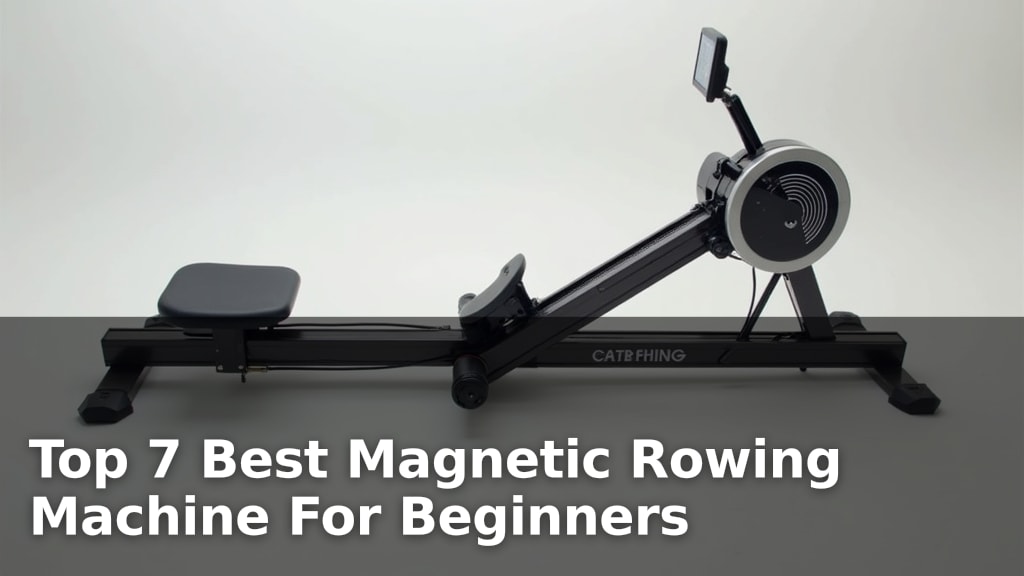
What Is the Weight Capacity of Most Rowing Machines?
On this page (9 sections)
- How Much Weight Can a Rowing Machine Hold?
- Understanding Rowing Machine Weight Limits
- Factors Influencing a Rower’s Weight Limit
- How to Find the Weight Capacity for Your Rower
- Comparing Common Rowing Machine Types and Their Capacity
- Tips for a Stable and Safe Workout
- Your Checklist for Choosing a Rower by Weight Capacity
- Conclusion
- Frequently Asked Questions
Most rowing machines can support a weight capacity of around 250 to 350 pounds. Some high-end models can even go higher, handling up to 500 pounds or more. When choosing a rower, it’s important to check the specific weight limit listed by the manufacturer to ensure it’s a safe and sturdy fit for your needs.
Your rowing machine’s weight capacity tells you how much total weight it can safely handle. This includes your own body weight plus any additional weight you might add, like dumbbells for certain exercises. Paying attention to this detail ensures a stable workout and protects your equipment from damage. We found that most models fall within a common range, but a little research goes a long way.
- Rowing machine weight limits typically range from 250 to 350 lbs.
- Higher-capacity machines can support 500 lbs or more.
- Always check the manufacturer’s stated weight limit.
- This limit ensures safe use and equipment longevity.
We know you want to get the most out of your home gym setup. Below, we’ll break down what factors influence rowing machine weight capacity and how to find the right one for you.
How Much Weight Can a Rowing Machine Hold?
Understanding the weight capacity of a rowing machine is key to a safe and effective workout. You want a rower that feels sturdy under you. It should handle your body weight easily. It should also accommodate any extra weight you might use. We found that most rowers have a weight limit that suits the average user.
Understanding Rowing Machine Weight Limits
A rowing machine’s weight capacity is the maximum weight it’s designed to safely support. This isn’t just about your body weight. It includes any added weight, like dumbbells or resistance bands you might use during a workout. Think of it like a sturdy bridge. It needs to be strong enough for the traffic it’s meant to carry.
Why Weight Capacity Matters for You
Why should you care about this number? Firstly, it’s about your safety. A rower that’s overloaded can become unstable. This could lead to accidents or injuries. Secondly, it’s about protecting your investment. Exceeding the weight limit can damage the machine’s frame, seat, or moving parts. This can lead to costly repairs or even the need for a replacement.
The Typical Weight Range We Found
When we looked at many different rowing machines, a common range emerged. Most standard models are built to handle between 250 and 350 pounds. This range covers a large portion of the adult population. It’s a good starting point for your search. Many popular brands focus on this capacity for their general consumer models.
Higher-Capacity Machines Exist
What if you need more? Don’t worry. We found that some manufacturers offer heavy-duty rowers. These are often designed for more intense use or for users who need extra support. These machines can often handle 500 pounds or even more. They typically have a more robust frame and stronger components.
Factors Influencing a Rower’s Weight Limit
Several elements go into determining how much weight a rowing machine can hold. It’s not just a random number. The design and materials play a big role.
Frame Construction and Materials
The primary factor is the frame’s material and design. Rowers made with thick, high-quality steel are generally stronger. They can support more weight than those made with lighter aluminum or plastic. The way the frame is welded and reinforced also adds to its structural integrity. Think of it like the difference between a flimsy plastic chair and a solid metal one.
Quality of Components
It’s not just the frame. The quality of all the components matters. This includes the seat, the rail, the footrests, and even the handle. These parts need to be able to withstand repeated stress. High-quality bearings in the seat and rail ensure smooth movement without weakening under load. Stronger materials here mean a higher overall weight capacity.
Resistance Type (Sometimes)
While not always a direct factor in the maximum weight capacity, the type of resistance can sometimes influence build quality. For instance, water rowers and air rowers often need robust frames to handle the dynamic forces generated. Magnetic rowers can also be very sturdy. We found that build quality is the more direct indicator of weight limits, regardless of resistance type.
How to Find the Weight Capacity for Your Rower
You’ve decided on a rower, or you’re thinking about one. How do you make sure it’s the right fit for your weight needs? It’s simpler than you might think.
Check the Product Specifications
The most reliable place to find the weight capacity is in the manufacturer’s product specifications. This information is usually found on the product page online. It might also be in the user manual or on the box itself. We always recommend looking for this number before you buy.
Where to Look for This Information
You’ll typically find this under sections like “Specifications,” “Technical Details,” or “Product Features.” Don’t be afraid to dig a little. If you’re shopping in person, ask a sales associate. If you’re buying online, look at the Q&A section or contact customer support.
What to Do If You Can’t Find It
If you’re struggling to locate the weight limit, it’s often a sign to be cautious. A reputable brand will clearly state this information. You can try contacting the manufacturer directly. Explain your situation. They should be able to provide you with the exact figure.
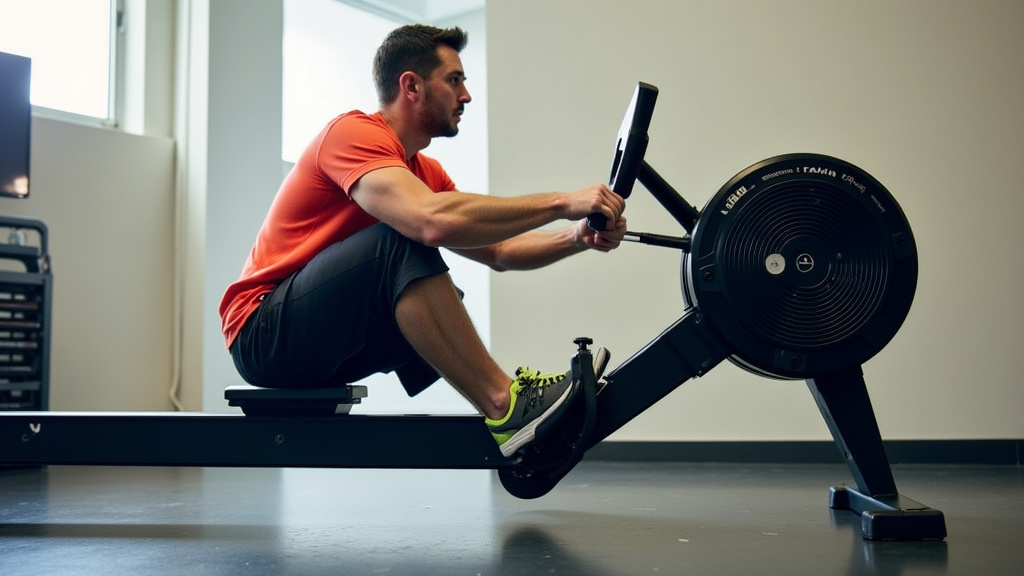
Comparing Common Rowing Machine Types and Their Capacity
Different types of rowers might give you a general idea, but always verify the exact specs. We looked at how the common types often stack up.
| Rowing Machine Type | Typical Weight Capacity (lbs) | Notes |
|---|---|---|
| Water Rowers | 300 – 500+ | Often built with robust frames to contain the water tank. |
| Air Rowers | 250 – 450 | Durable construction is common due to the fan mechanism. |
| Magnetic Rowers | 250 – 350 | Can vary widely; check specific models for sturdiness. |
| Hydraulic (Piston) Rowers | 200 – 300 | Often more compact; some may have lower limits. |
Remember, these are general ranges. We found that a high-end magnetic rower might have a higher capacity than a basic air rower. Always check the manufacturer’s stated maximum user weight for the specific model you are interested in.
Tips for a Stable and Safe Workout
Once you have a rower that fits your weight needs, how can you ensure your workouts are always smooth sailing?
Proper Assembly is Key
When your rower arrives, assemble it correctly according to the manual. Loose bolts or improperly fitted parts can compromise the machine’s stability. Double-check all connections. A well-assembled rower feels much more solid.
Regular Maintenance Checks
Make it a habit to inspect your rower periodically. Look for any signs of wear and tear. Tighten any loose screws or bolts. Ensure the seat glides smoothly on its rail. This routine maintenance helps prevent potential issues before they affect the machine’s capacity or your safety.
Don’t Exceed the Limit (Ever!)
This might sound obvious, but we can’t stress it enough. Do not push your rower beyond its specified weight limit. This includes your body weight plus any added weights you might use during your exercise. It’s better to be safe than sorry.
Consider Your Workout Intensity
Even within the weight limit, very intense, jerky movements can put extra stress on the machine. If you’re planning on very vigorous workouts, ensure your rower is built to handle it. A stronger frame will always feel more reassuring during powerful strokes.
Is Your Current Rower Feeling Wobbly?
If you already own a rower and it feels a bit shaky or makes strange noises, it might be a sign. Perhaps it’s nearing its limit, or maybe a component needs attention. Don’t ignore these warnings. It’s time to investigate or consider an upgrade.
Your Checklist for Choosing a Rower by Weight Capacity
Here’s a quick rundown to help you select the right rower for your needs:
- Know Your Weight: Be honest about your current body weight.
- Check Manufacturer Specs: Always find the official weight limit.
- Consider Extra Weight: Factor in any dumbbells or weights you might use.
- Read Reviews: Look for user feedback on stability and build quality.
- Prioritize Sturdy Brands: Some brands are known for robust construction.
- When in Doubt, Go Higher: If you’re on the edge, choose a model with a higher capacity.
Conclusion
You’ve learned that most rowing machines comfortably support between 250 and 350 pounds, with heavy-duty options reaching 500 pounds or more. Remember, this limit covers your body weight plus any additional load. Prioritizing a rower with a capacity that safely exceeds your needs ensures a stable workout and protects your equipment. Don’t guess – always check the manufacturer’s specifications. Your next step is to use this knowledge to confidently select a rower that fits your fitness goals and provides a safe, sturdy experience for years to come.
Frequently Asked Questions
What happens if I exceed my rowing machine’s weight limit?
Exceeding the weight limit can compromise the rower’s stability, potentially leading to accidents or injuries. It can also cause premature wear and tear on components like the seat, rail, or frame, leading to costly repairs or requiring a replacement.
Does the type of rowing machine affect its weight capacity?
Generally, yes. While frame construction is key, water and air rowers often have robust designs to handle their mechanisms, sometimes leading to higher capacities. However, always verify the specific model’s stated limit, as quality varies across all types.
Should I consider my workout gear when checking the weight limit?
The weight limit primarily refers to your body weight and any external weights you might use. Your workout clothes and shoes add negligible weight. Focus on your body’s mass and any dumbbells or resistance tools you plan to incorporate.
Are there rowing machines specifically designed for heavier individuals?
Yes, manufacturers offer heavy-duty rowing machines built with stronger frames and components. These models are designed to safely support weights of 400, 500 pounds, or even more, and are a great option if you need extra capacity.
How important is proper assembly for a rowing machine’s weight capacity?
Proper assembly is critical. Even a rower with a high weight capacity can feel unstable or fail prematurely if it’s not put together correctly. Ensure all bolts are tightened and parts are fitted as per the manual for maximum sturdiness.