Is A Rowing Machine Good Exercise For Seniors?
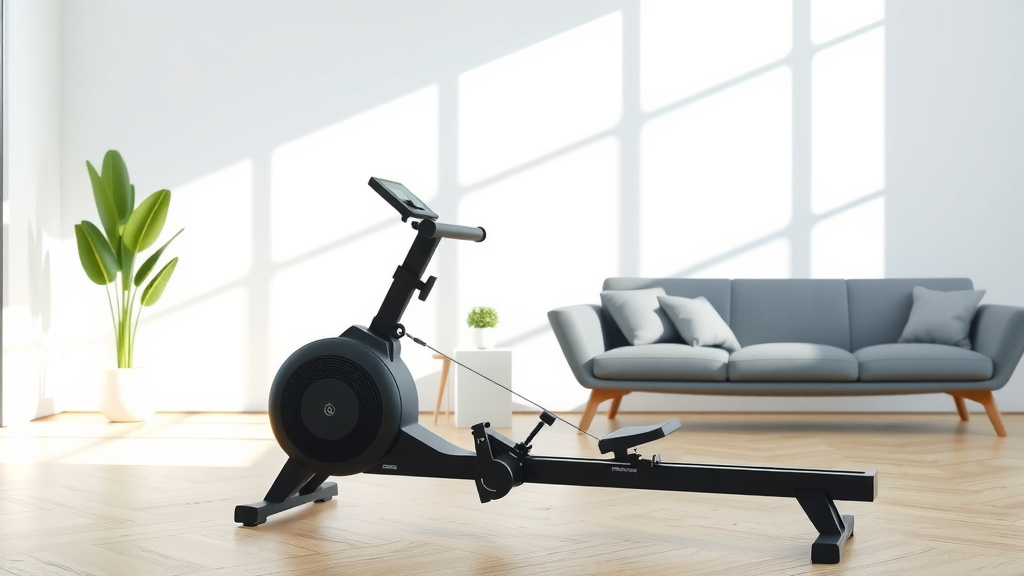
Yes, a rowing machine offers an excellent, low-impact full-body workout for seniors, helping to build strength and improve cardiovascular health.
Many fitness experts say rowing can support joint health and boost overall fitness without putting undue stress on the body.
- Rowing machines provide a full-body workout that is gentle on joints.
- They help build strength in major muscle groups and improve heart health.
- Seniors can easily adjust the intensity to match their fitness level.
- This exercise can improve balance and flexibility, reducing fall risk.
- Always consult your doctor before starting any new exercise program.
Is A Rowing Machine Good Exercise For Seniors?
Yes, a rowing machine is a fantastic exercise choice for seniors. It offers a comprehensive workout that supports both muscle strength and heart health. You get a lot of benefits without heavy impact on your joints.
The Power of Low-Impact Exercise
As we age, our joints sometimes protest against high-impact activities. This is where a rowing machine shines. It provides a smooth, fluid motion that is incredibly kind to your knees, hips, and ankles (Mayo Clinic). You can work up a good sweat and build muscle without the harsh jolts.
Think of it like gliding on water, not pounding the pavement. This gentle movement helps you stay active and strong. It lets you focus on your effort, not on potential pain.
A Full-Body Workout, All in One Go
One amazing thing about rowing is that it works nearly every muscle in your body. From your legs and core to your back and arms, you engage a lot of muscle groups (NIH). Imagine getting stronger everywhere with just one piece of equipment.
It’s like a symphony of muscles working together. You push with your legs, lean back with your core, and pull with your arms. This makes it incredibly efficient and rewarding.
Leg Strength You Can Feel
Your legs do a lot of the work on a rower. This helps build strength in your quadriceps, hamstrings, and glutes. Stronger legs mean better balance and easier movement for daily tasks.
Core Stability for Daily Life
A strong core is like your body’s foundation. Rowing constantly engages your abdominal and back muscles. This helps with posture and keeps you stable as you move through your day.
Upper Body and Back Support
You use your arms, shoulders, and back muscles to pull the handle. This strengthens your upper body. A strong back can also help prevent everyday aches and improve your overall posture.
Cardiovascular Health: Keeping Your Heart Happy
Rowing is a superb aerobic exercise. It gets your heart rate up and blood pumping efficiently. This strengthens your heart and lungs over time.
Regular cardio helps lower blood pressure and can reduce the risk of heart disease (CDC). It’s a wonderful way to keep your most vital organ in top shape. You’ll feel more energetic and have better endurance for everything you do.
Boost Your Balance and Coordination
As you row, you move your body through a coordinated sequence. This helps improve your balance and overall coordination. Better balance means you are less likely to fall, which is a big deal for seniors.
It’s like a moving meditation that also builds practical physical skills. You learn to control your body’s movements in a rhythmic way.
Joint Health and Flexibility
Because rowing is low-impact, it’s often recommended for people with joint pain. The smooth motion helps move your joints through a good range of motion without grinding or jarring them. Many experts find that this helps keep joints lubricated and flexible.
You are getting movement that supports your joint health. This can lead to less stiffness and greater ease in your daily activities.
Getting Started Safely with Your Rowing Machine
Before you jump onto a rower, always have a chat with your doctor. This is especially true if you have any existing health conditions. They can give you personalized advice to make sure it’s the right fit for you.
Once cleared, start slow. Don’t try to row a marathon on day one. A few minutes at a gentle pace is perfect. You can gradually add more time and intensity as you feel stronger.
Proper Form: Your Best Friend
Good form is key to getting the most out of your rowing machine and avoiding injury. Remember the sequence: Legs, Core, Arms, then Arms, Core, Legs on the return. It’s like a dance: drive back, then recover smoothly.
Many online videos can show you the correct technique. Watch a few, practice slowly, and focus on that smooth, controlled motion. You’ll feel the difference.
Setting Up Your Machine
Make sure your foot straps are secure and the resistance level is comfortable. Start with a lighter resistance. You can always increase it later. Your comfort is important for a good workout.
Choosing the Right Rowing Machine
There are a few types of rowing machines out there. Each has its own feel. You might prefer one over another based on noise level, feel, and budget.
Here’s a quick look:
| Rower Type | How It Feels | Consider This |
|---|---|---|
| Air Rower | Smooth, resistance increases with effort, like real rowing. | Can be a bit noisy. Great for a gym-like feel. |
| Water Rower | Closest feel to rowing on water, very quiet. | Often pricier. Pleasant swooshing sound. |
| Magnetic Rower | Quiet, consistent resistance, often compact. | Resistance might not feel as “natural” as air/water. |
| Hydraulic Rower | Compact, budget-friendly, good for small spaces. | Less natural feel, separate handles. |
Key Things to Look For
- Comfortable seat: You’ll be sitting on it for a while!
- Easy to get on and off: A higher seat can be helpful.
- Smooth action: Test it if you can.
- Good monitor: Tracks your strokes, time, and distance.
- Storage: Can it fold up or stand upright?
Overcoming Common Concerns for Seniors
Are you worried about back pain or finding the movement difficult? Many seniors share these thoughts. Let’s tackle them directly.
Addressing Back Pain
Poor form can sometimes lead to back strain. But with correct technique, rowing can actually strengthen your back muscles. This can even help reduce existing back pain (Cleveland Clinic). Focus on using your legs and core, not just pulling with your back.
Remember, it’s a pushing exercise with your legs first. Your back supports the movement, it doesn’t lead it.
Making it Accessible
If you find it hard to get down low, look for rowers with a higher seat. You can also adjust your stroke length. A shorter, controlled stroke is perfectly fine if it feels better for your body. The goal is movement, not Olympic speeds.
A Checklist for Senior Rowers
Here are a few quick tips to help you get started:
- Doctor’s OK: Always get medical clearance first.
- Learn Form: Watch videos, start slow, practice technique.
- Listen to Your Body: Don’t push through pain.
- Stay Hydrated: Drink water before, during, and after.
- Warm-Up/Cool-Down: Gentle stretches help.
- Consistency is Key: Regular, shorter sessions are better than rare, long ones.
Conclusion
A rowing machine truly stands out as a fantastic exercise option for seniors. It offers a complete, low-impact workout that benefits your muscles, heart, and joints. By taking a few precautions and focusing on good form, you can enjoy a stronger, more energetic lifestyle. Why not give it a try and feel the difference yourself?
Can a rowing machine help with weight loss for seniors?
Yes, absolutely! A rowing machine provides an excellent cardio workout that burns calories. When combined with a balanced diet, consistent rowing can certainly help seniors achieve and maintain a healthy weight. It also builds muscle, which boosts your metabolism.
Is rowing safe for seniors with osteoporosis?
Rowing is generally considered a low-impact exercise, which can be beneficial for those with osteoporosis as it avoids jarring motions. It also provides some weight-bearing benefits to the legs and hips. However, it’s crucial to consult your doctor or a physical therapist before starting, to ensure it’s appropriate for your specific bone density and health status.
How often should a senior use a rowing machine?
For most seniors, starting with 3-4 sessions per week, each lasting 15-30 minutes, is a good goal. You can begin with shorter durations and gradually increase as your fitness improves. Consistency is more important than intensity, so aim for regular workouts rather than occasional long ones.
Does rowing improve balance in older adults?
Yes, rowing can significantly improve balance. The coordinated movement required for rowing engages your core muscles and trains your body to move rhythmically, which translates into better stability and balance in daily activities. Stronger legs also play a big part in preventing falls.
What if I have limited mobility in my hips or knees?
If you have limited mobility, a rowing machine might still be an option, but with adjustments. Look for models with higher seats for easier access. You might also modify your stroke to be shorter, focusing on a comfortable range of motion rather than a full extension. Always discuss this with your doctor or a physical therapist first, as they can provide personalized recommendations and exercises.