Can Rowing Machines Flatten Your Stomach?
On this page (6 sections)
Yes, rowing machines can certainly help you flatten your stomach. They offer a fantastic way to burn calories and build muscle. This combination is key for reducing overall body fat, including that stubborn belly fat.
You might be wondering, “How does a rowing machine achieve this?” Well, rowing is a full-body workout. It engages many muscle groups at once, from your legs to your core and arms. This leads to efficient calorie burning and helps create a caloric deficit.
- Rowing burns lots of calories.
- It builds muscle all over your body.
- Muscle building helps burn more fat.
- Consistency is more important than intensity.
- Spot reduction (losing fat in one area only) isn’t possible.
Let’s dive into exactly how rowing contributes to a flatter stomach and what you need to do to see results.
How Rowing Machines Help Reduce Belly Fat
So, you want to know how exactly a rowing machine targets that pesky belly fat? It’s not magic, but a combination of science and good old-fashioned effort. When you row, you’re not just moving your arms or legs. You’re engaging almost 86% of your body’s muscles (American Fitness Professionals & Associates). Think about it: your legs push, your core stabilizes, and your arms pull. This full-body engagement means you’re burning a lot of calories.
Burning more calories than you consume creates a caloric deficit. This is the golden rule for any fat loss, including belly fat. Your body then starts to use stored fat for energy. A rowing machine helps you achieve this deficit efficiently because it’s a high-intensity, low-impact exercise. This means you can work hard without putting too much stress on your joints, which is great for consistency.
Calorie Burning Power of Rowing
You might be surprised by how many calories rowing can torch. We found that a typical 150-pound person can burn between 200-300 calories in just 30 minutes of moderate rowing (Harvard Medical School). If you increase your intensity, those numbers go even higher. Compared to some other forms of exercise, rowing holds its own very well.
For example, a brisk walk might burn around 100-150 calories in the same timeframe. Running can burn more, but it often comes with a higher impact risk. Rowing offers a powerful calorie-burning effect with less strain on your body. This makes it an accessible option for many people, regardless of fitness level.
Building Muscle for a Faster Metabolism
Beyond calorie burning during your workout, rowing also helps you build muscle. Why is this important for flattening your stomach? Because muscle tissue is more metabolically active than fat tissue. This means your body burns more calories at rest if you have more muscle mass. It’s like having a more efficient engine running all day long.
The beauty of rowing is that it works so many major muscle groups simultaneously. You’re building strength in your quads, hamstrings, glutes, core, back, and arms. This comprehensive muscle building contributes to an overall increase in your metabolism. It helps you burn more fat even when you’re not on the machine.
Understanding Belly Fat and How to Lose It
Before we go further, let’s talk a little about belly fat itself. Not all belly fat is the same. There’s subcutaneous fat, which is the soft, pinchable fat just under your skin. Then there’s visceral fat, which is deeper and surrounds your organs. Visceral fat is often considered more dangerous for your health (Mayo Clinic).
You can’t “spot reduce” fat. This means you can’t just do endless crunches and expect to lose only belly fat. Your body decides where it wants to lose fat from first. However, when you create a caloric deficit through exercise and diet, your body will eventually start to reduce fat from all over, including your stomach area.
Why Spot Reduction is a Myth
It’s a common misconception that you can choose where your body loses fat. Many fitness magazines and social media posts promise targeted fat loss for specific areas. Unfortunately, this isn’t how our bodies work. When you lose fat, it comes from your fat stores throughout your entire body. So, while rowing heavily engages your core, it won’t magically make your stomach flatten if you’re not also burning enough calories overall.
Think of your fat stores like a big piggy bank. You can’t just take money out of the “belly fat” slot. You take money out of the whole bank. The good news is that consistent, full-body exercises like rowing contribute to this overall fat loss. As your overall body fat percentage decreases, your belly will naturally become flatter.
Optimizing Your Rowing Routine for a Flatter Stomach
Simply hopping on a rowing machine once a week won’t cut it. To see real results and flatten your stomach, you need a strategy. Consistency, proper form, and varying your workouts are key. Don’t get discouraged if you don’t see changes overnight; it takes time and dedication.
Consistency and Frequency are Key
How often should you row? We found that aiming for 3-5 sessions per week is a great starting point. Each session should be at least 20-30 minutes long. More is often better, but listen to your body and avoid overtraining. Building a consistent habit is far more important than one or two intense sessions.
Think about it like saving money. Small, regular deposits add up to big savings over time. The same goes for your fitness goals. Regular rowing sessions will steadily contribute to your caloric deficit and muscle gain, leading to that flatter stomach you’re looking for.
Incorporating High-Intensity Interval Training (HIIT)
While steady-state cardio is great, consider adding HIIT to your rowing routine. HIIT involves short bursts of very intense exercise followed by brief recovery periods. This method is incredibly effective for burning calories and can boost your metabolism for hours after your workout (American Council on Exercise).
| Workout Type | Intensity | Duration | Benefits for Stomach Fat |
|---|---|---|---|
| Steady-State Rowing | Moderate, consistent effort | 30-60 minutes | Sustained calorie burn, builds endurance |
| HIIT Rowing | Alternating high/low intensity | 15-25 minutes | High calorie burn, EPOC (afterburn effect), boosts metabolism |
A typical HIIT rowing session might look like this: 1-2 minutes of very hard rowing, followed by 1-2 minutes of easy rowing. Repeat this cycle 5-8 times. It’s challenging, but the results are worth it!
Proper Form Maximizes Results
Using the correct form on a rowing machine is crucial for two reasons: preventing injury and maximizing your workout effectiveness. Many people think rowing is all about the arms, but it’s actually 60% legs, 20% core, and 20% arms (Concept2). Focusing on your legs first will make a huge difference.
- The Catch: Start with knees bent, arms extended, and lean slightly forward.
- The Drive: Push powerfully with your legs, then swing your torso back, and finally pull with your arms.
- The Finish: Lean back slightly, arms pulled to your chest, legs extended.
- The Recovery: Extend your arms, lean forward, then bend your knees to slide back to the catch.
Watch some videos online or ask a trainer for guidance. Good form ensures you’re engaging the right muscles, especially your core, which helps sculpt your midsection.
The Role of Diet and Lifestyle
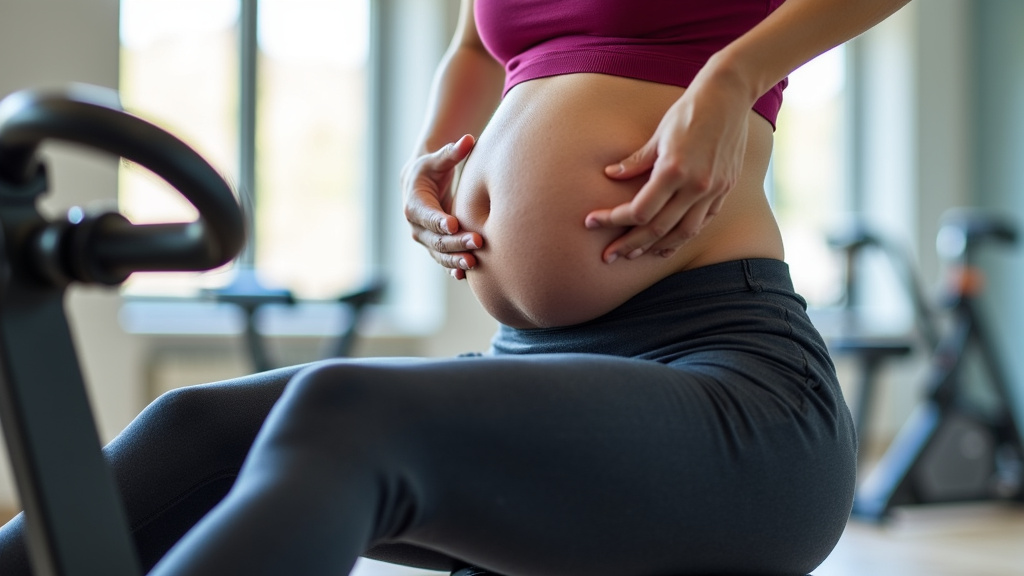
You know the saying: “You can’t out-exercise a bad diet.” This holds true for flattening your stomach. Rowing machines are powerful tools, but they work best when paired with healthy eating habits. Your diet plays a massive role in creating that crucial caloric deficit.
Nutrition is Non-Negotiable
To lose belly fat, you need to eat fewer calories than you burn. Focus on whole, unprocessed foods. This means plenty of fruits, vegetables, lean proteins, and whole grains. Limit sugary drinks, processed snacks, and excessive saturated fats. Portion control is also your friend.
Consider keeping a food journal for a few days to get an honest look at your eating habits. You might be surprised by hidden calories. Small, sustainable changes to your diet, combined with your rowing routine, will yield the best results for a flatter stomach.
Don’t Forget Sleep and Stress Management
It might sound unrelated, but sleep and stress significantly impact your body’s ability to lose fat, especially belly fat. When you’re sleep-deprived, your body produces more cortisol, a stress hormone that can lead to increased fat storage around your midsection. Lack of sleep also often makes you hungrier and crave unhealthy foods.
Aim for 7-9 hours of quality sleep each night. Find ways to manage stress, whether it’s through meditation, yoga, or simply taking time for hobbies you enjoy. A well-rested and less-stressed body is a body that’s more efficient at burning fat and achieving your fitness goals.
Conclusion
You’ve seen that a rowing machine is a powerful tool for helping you achieve a flatter stomach. It works by efficiently burning calories and building muscle, both crucial for reducing overall body fat, including belly fat. Remember, consistency in your rowing routine, paired with proper form and potentially some HIIT, is what drives results. But don’t forget the vital roles of a healthy diet, sufficient sleep, and stress management.
By combining these elements, you’re setting yourself up for success beyond just rowing. Start implementing these strategies today, and you’ll be well on your way to a stronger, flatter midsection. Your body will thank you for it!
Frequently Asked Questions
How long does it take to see results from rowing?
While individual results vary, with consistent effort (3-5 times a week) and a healthy diet, you might start noticing changes in your stomach area within 4-8 weeks. It’s a marathon, not a sprint, so be patient and stay consistent.
Is rowing better than running for losing belly fat?
Both are excellent for calorie burning and fat loss. Rowing offers a full-body, low-impact workout that builds more muscle, which can boost your metabolism. Running can burn slightly more calories per minute for some, but rowing is often more sustainable due to less joint strain.
Do I need to do crunches if I’m rowing for a flat stomach?
While rowing effectively engages your core, incorporating dedicated core exercises like planks or crunches can further strengthen your abdominal muscles. This can contribute to a more toned appearance once overall body fat is reduced.
Can I still lose belly fat with rowing if my diet isn’t perfect?
You can still burn calories and build muscle with rowing, even with an imperfect diet. However, to truly flatten your stomach and see significant fat loss, a caloric deficit created through both exercise and nutrition is essential. Diet plays a huge role.
What if I’m a beginner? Can I still use a rowing machine to flatten my stomach?
Absolutely! Rowing is beginner-friendly because it’s low-impact. Start with shorter sessions (15-20 minutes) at a moderate pace 3 times a week. Focus on learning proper form first to prevent injury and maximize effectiveness. Gradually increase duration and intensity as you get fitter.