How Rowing Machines Boost Your Grip Strength
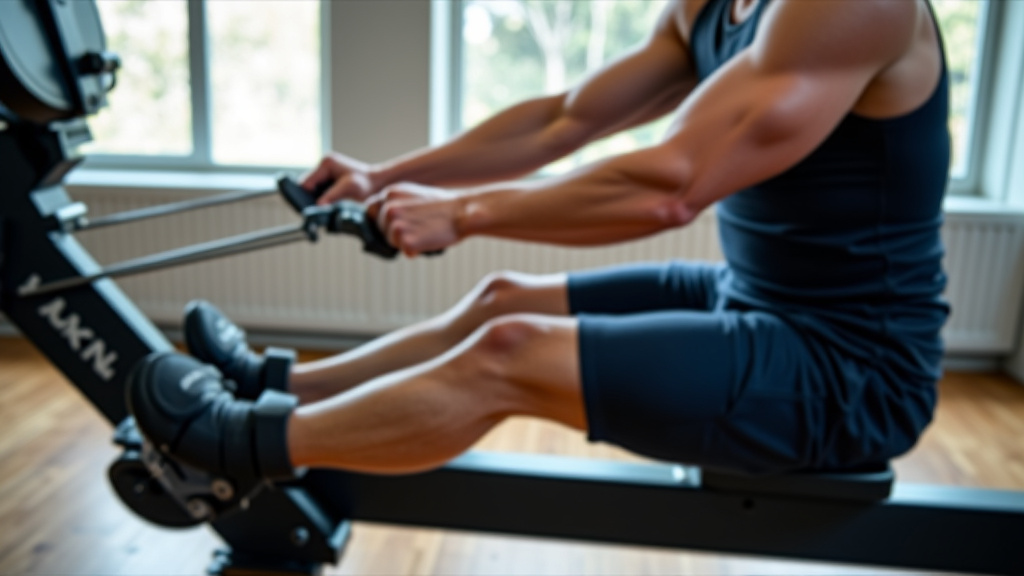
You might be surprised to learn that rowing is a fantastic workout for your hands and forearms. The handle is your direct connection to the machine. You need a firm hold to transfer your power effectively. That consistent grip is the secret sauce for building stronger hands.
Think about it: every single stroke requires you to pull. This pulling action engages the muscles in your forearms. These muscles are primarily responsible for your grip. The more you row, the more you work these muscles. This consistent work leads to noticeable improvements in your grip strength over time.
The Mechanics of Grip in Rowing
When you set up for a row, your hands wrap around the handle. This is your starting grip. As you pull through the drive phase, you maintain this grip. Your fingers and palm muscles work together. They keep the handle secure in your hand. This isn’t just a passive hold; it’s an active engagement.
Many people focus on their back and legs during a row. These are big muscle groups, after all. But your grip is the unsung hero of the stroke. Without a solid grip, your power transfer suffers. You might even experience your hands slipping, which is neither efficient nor pleasant.
Muscles Involved in Your Grip
Your forearms are packed with muscles. These are the workhorses for gripping. We found that the forearm muscles most engaged in rowing include the flexors and extensors. The flexor muscles are on the palm side of your forearm. They help you curl your fingers inward, which is what you do when gripping the handle. The extensor muscles are on the back of your forearm. They help you open your hand. While gripping, they work to stabilize your hand and wrist.
Research shows that sustained isometric contractions, like holding a grip during rowing, build muscle endurance and strength (NCBI). Your hand muscles, including those in your fingers and palm, also get a workout. They work to maintain the hold against the force of the pull. It’s a full-hand, forearm collaboration.
Beyond Cardio: The Grip-Building Benefits
While rowing is primarily celebrated for its cardiovascular benefits, the grip enhancement is a significant secondary advantage. You’re getting a great heart workout and building hand power simultaneously. It’s like getting two workouts in one without even trying.
This dual benefit makes rowing machines incredibly efficient for fitness. You can improve your endurance, burn calories, and strengthen your grip all on the same machine. This makes it a well-rounded piece of exercise equipment for your home gym.
How Grip Strength Translates to Better Rowing Form
A stronger grip allows you to maintain control of the handle throughout the entire stroke. This means you can apply more power from your legs and back. You won’t be limited by your hands giving out first. This leads to a more fluid and powerful rowing motion.
When your grip is weak, you might compensate in other ways. You could pull with your arms too early or too hard. This can disrupt your body’s natural sequence. A solid grip ensures you’re using your entire body effectively. It keeps your form clean and your workout efficient.
Everyday Benefits of Improved Grip Strength
The benefits of a stronger grip extend far beyond the rowing machine. Think about daily tasks. Opening jars becomes easier. Carrying groceries feels less strenuous. Shaking hands with someone feels more confident and firm.
Many everyday activities rely on a good grip. From gardening to playing sports, a stronger grip plays a role. Even tasks like typing or using tools can feel better with more hand and forearm power. We found that many people notice these improvements without even thinking about them.
Maximizing Grip Development on a Rowing Machine
While simply rowing will improve your grip, there are ways to enhance this benefit. You can focus on your technique and the intensity of your workouts. Small adjustments can make a difference in how much your grip is challenged
Conclusion
You’ve learned that your rowing machine is more than just a cardio tool. It’s a powerful device for building serious grip strength. The pulling motion actively engages your forearm and hand muscles. This consistent effort leads to tangible improvements. Your grip will get stronger, benefiting your rowing form and everyday tasks. Ready to feel that difference? Make grip a conscious part of your next rowing session and watch your hand power grow.
Frequently Asked Questions
How long does it take to see grip strength improvements from rowing?
Most users report feeling a difference in their grip within a few weeks of consistent rowing. Significant strength gains might take a couple of months. Pay attention to how your hands feel after each session; that’s your first indicator.
Can I overwork my grip muscles on a rowing machine?
It’s possible, especially if you’re new to rowing or grip training. Listen to your body and take rest days when needed. Signs of overwork include persistent pain or extreme fatigue in your forearms and hands.
What’s the best grip technique for building strength on a rower?
Maintain a firm, but not overly tense, grip on the handle. Focus on allowing your forearm and hand muscles to do the work. Avoid squeezing too hard, which can lead to premature fatigue.
Are there any other exercises that complement grip strength from rowing?
Yes, exercises like dead hangs, farmer’s walks, and using grip strengtheners can further boost your hand and forearm power. These activities target grip in different ways, creating a well-rounded approach.
Will rowing help my grip strength if I have small hands?
Absolutely. Rowing machines work the muscles responsible for grip, regardless of hand size. Your muscles will adapt and grow stronger with consistent use. Focus on form and consistency for the best results.