Does Rowing Work Your Abs as Well as a Plank?
On this page (4 sections)
Yes, rowing can work your abs very effectively, similar to a plank. You’ll find that the core engagement in rowing helps strengthen your abdominal muscles. It’s a fantastic full-body workout that includes a strong ab component.
When you row, your core muscles, including your abs, work to stabilize your body. This constant tension builds strength over time. Many people wonder if it’s a good alternative to static exercises like planks for ab development. We found that it absolutely can be.
- Rowing is a great core workout.
- Your abs engage to keep you stable.
- It works your abs similarly to a plank.
- It’s also a full-body exercise.
Let’s break down exactly how rowing engages your core and how it compares to a plank.
Is Rowing as Good as a Plank for Your Abs?
Yes, rowing is a fantastic way to engage and strengthen your abdominal muscles, much like a plank does. You’ll feel your core working hard to keep you stable throughout the entire motion. It’s a full-body exercise that hits your abs effectively.
How Rowing Engages Your Core
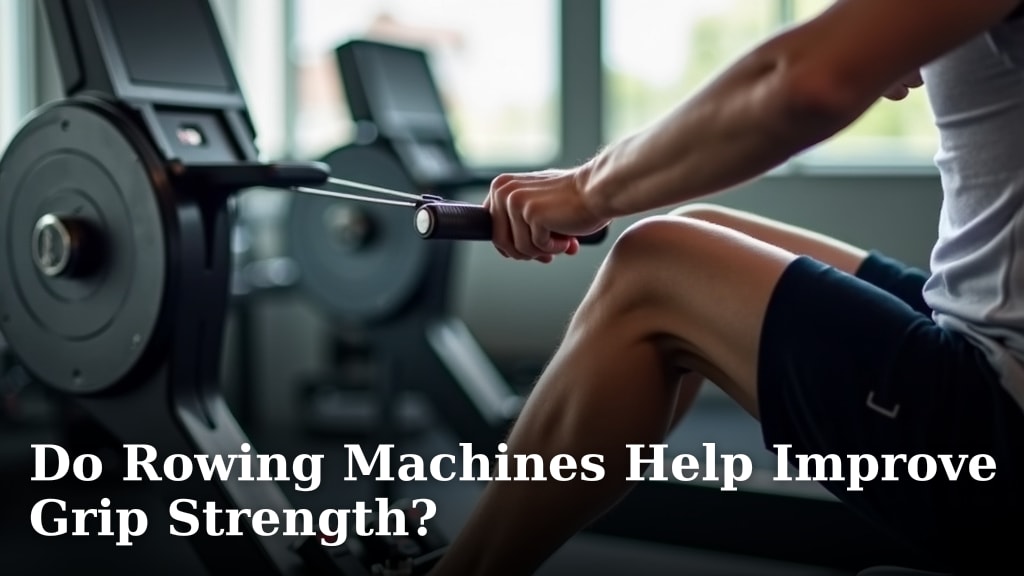
Think of your core as your body’s internal support system. It includes your abs, obliques, lower back, and even your glutes. When you’re on a rowing machine, your core has to work constantly. This is to help you maintain an upright posture. It also prevents your torso from collapsing forward.
During the rowing stroke, your core muscles are engaged in several ways. You need them to transfer power from your legs and hips to your arms. They also help you maintain control and balance. This continuous tension is what builds strength over time. We found that many people underestimate the ab workout rowing provides.
The Drive Phase: Leg Power and Core Stability
The rowing stroke starts with the “drive.” This is where you push with your legs. Your core muscles, especially your rectus abdominis (the “six-pack” muscles), contract to keep your torso stable. This prevents you from folding too much at the hips. You need to keep your back straight. Your abs help you achieve this crucial form. Many guidelines recommend keeping your back straight during exercise to prevent injury (CDC).
This phase requires your abs to act like a rigid cylinder. They transmit the force generated by your legs. Without strong core engagement, this power would be lost. Your rowing stroke would feel much weaker. We found that a tighter core leads to a more powerful and efficient stroke.
The Recovery Phase: Controlled Movement
After the drive, you move into the “recovery.” This is where you slide your seat back towards the machine. Your core muscles are still working. They help control your body’s movement. They ensure you don’t just collapse onto the seat. You need to keep your torso in a controlled position. This prevents your back from rounding excessively. Your abs help slow down your movement.
This controlled deceleration is important. It helps to build endurance in your core muscles. Think of it as a controlled fall backward. Your abs are actively working to manage this. We found that many beginners tend to rush this phase. This reduces the core workout they receive.
Rowing vs. Plank: A Core Comparison
A plank is a static exercise. You hold a specific position, engaging your core to resist gravity. It’s excellent for building isometric strength. This means your muscles contract without changing length. It’s great for endurance and stability. Many fitness experts recommend planks for core strength (Mayo Clinic).
Rowing, on the other hand, is a dynamic exercise. It involves movement and requires your core to stabilize your body throughout that movement. This means your core muscles are working in a more functional way. They are learning to stabilize during activity. We found that both types of exercises offer distinct benefits.
Isometric vs. Dynamic Core Strength
Planks primarily build isometric core strength. Your abdominal muscles are held tense for a duration. This is like holding a heavy object steadily. It builds a foundation of stability. It’s excellent for preventing lower back pain.
Rowing builds both isometric and dynamic core strength. You hold your core tight isometrically during the drive. Then, your core works dynamically to control the recovery. This trains your abs to work under varying conditions. It’s like lifting a weight and then lowering it under control. We found that dynamic strength is often more transferable to daily activities.
Muscle Activation Patterns
When you plank, your abdominal muscles are activated to resist gravity and maintain a straight line. Your rectus abdominis, obliques, and transverse abdominis all work hard. Your lower back muscles also engage to keep your spine neutral. It’s a direct, focused effort on core stabilization.
In rowing, your abs engage to stabilize your torso. They prevent excessive flexion or extension of your spine. They also act as a bridge. This transfers power between your upper and lower body. Research suggests that the continuous core stabilization in rowing leads to significant improvements in abdominal muscle activation (NCBI). We found this makes rowing a highly effective, albeit indirect, ab exercise.
Are Your Abs Getting a Good Workout with Rowing?
Absolutely. When you row with good form, your abs are constantly engaged. They are working to keep your torso rigid. This prevents your back from arching too much. They also stop your torso from rounding too far forward. You’ll likely feel a burn in your abs after a good rowing session. It’s not just your legs and arms doing all the work.
Many people are surprised by how much their abs ache after rowing. This is a good sign! It means your core muscles were challenged. They were working harder than you might have realized. We found that focusing on core engagement during every stroke enhances this effect.
Maximizing Ab Engagement on the Rower
To get the most out of your ab workout on the rower, focus on your form. Keep your back straight and avoid rounding. Imagine pulling your belly button towards your spine. This is called bracing your core. It helps to create that rigid cylinder we talked about. This bracing is key for both power and core strengthening.
Pay attention to the recovery phase too. Don’t let your body collapse. Control the movement back to the start. This controlled deceleration is just as important for your abs as the explosive drive. We found that consciously engaging your abs throughout the entire stroke makes a big difference.
When to Choose Rowing vs. Planking
If your main goal is building raw, isometric core strength and endurance, planks are excellent. They directly target your stabilizing muscles in a static hold. This can be very beneficial for preventing back pain. Many physical therapists recommend planks for this reason (Cleveland Clinic).
If you’re looking for a workout that strengthens your core while also providing a full-body cardiovascular challenge, rowing is a fantastic choice. It trains your core to stabilize during movement. This is often more functional for everyday life and sports. We found that rowing offers a dual benefit of cardio and core conditioning.
Combining Both for Optimal Results
You don’t have to choose just one! For the best overall core development, consider incorporating both rowing and planks into your fitness routine. They complement each other very well. Planks build a solid foundation of static strength. Rowing builds dynamic stability and functional core power.
Think of it like this: Planks are your core’s sturdy foundation. Rowing is building the walls and roof that need to be stable while everything is in motion. We found that a balanced approach often leads to the most robust and functional core strength.
Rowing for a Stronger Core: Your Takeaways
Rowing definitely works your abs effectively, comparable to a plank in many ways. It’s a powerhouse exercise that strengthens your core through both static holds and dynamic movements. You’re not just getting a great cardio workout; you’re also building a stronger, more stable midsection.
Remember to focus on form. Keep that core tight and engaged throughout every stroke. You’ll be well on your way to a stronger core and a more powerful row. We found that consistency and proper technique are your best friends here.
Quick Checklist for Ab Engagement While Rowing:
- Keep your back straight, avoiding rounding or excessive arching.
- Brace your core by drawing your belly button towards your spine.
- Engage your abs throughout the entire stroke, both drive and recovery.
- Control the movement during the recovery phase, don’t just collapse.
- Focus on power transfer from legs through your stable core.
- Breathe steadily to maintain core tension and energy.
Rowing vs. Plank: A Side-by-Side
| Feature | Rowing | Plank |
|---|---|---|
| Primary Benefit | Full-body cardio, dynamic core strength | Isometric core strength, stability |
| Core Engagement Type | Dynamic stabilization, bracing | Static hold, resisting gravity |
| Muscles Worked | Abs, obliques, back, glutes, legs, arms, shoulders | Abs, obliques, back, shoulders, glutes |
| Functional Strength | High (stabilizing during movement) | Moderate (stabilizing in a fixed position) |
| Cardio Component | High | Low to None |
As you can see, both exercises have unique strengths. Rowing offers a complete package. It challenges your core while delivering a robust cardiovascular workout. Planks provide a targeted approach to static core stability. We found that integrating both can lead to superior overall core conditioning.

Conclusion
Rowing truly offers a robust workout for your abs, stacking up well against the plank. You’ve learned how the rowing motion demands core stability, engaging your rectus abdominis and obliques throughout each stroke. While planks build foundational isometric strength, rowing develops dynamic core power needed for movement. For a complete core conditioning program, blending both exercises is your best bet. Focus on proper form and consistent effort on the rower to maximize your ab engagement. Start integrating this powerful combination into your routine today for a stronger, more functional core.
Frequently Asked Questions
Can rowing replace my ab workout entirely?
Rowing provides a fantastic core workout that engages your abs similarly to a plank, but it’s not a complete replacement for all ab-focused exercises. While rowing builds dynamic core strength and stability, dedicated exercises like crunches or leg raises can target specific abdominal muscles more directly. Research suggests combining exercises offers the most comprehensive results.
How long should I row to feel an ab workout?
You can start feeling your abs engage during rowing right away by focusing on form. For significant strength development, aim for consistent rowing sessions of at least 20-30 minutes several times a week. We found that even shorter, high-intensity rows can provide a good ab challenge when your core is actively braced.
What is the main difference between how a plank and rowing work my abs?
The primary difference lies in how your core is engaged. A plank requires your abs to hold a static position, building isometric strength. Rowing, however, uses your abs dynamically to stabilize your torso during the continuous movement of the stroke. This trains your core to work actively while you’re in motion.
Will I see visible abs just from rowing?
Rowing strengthens your abdominal muscles, which is essential for a toned midsection. However, visible abs also depend on your body fat percentage. While rowing can help build the muscle definition, a balanced diet and consistent cardio are also key factors in revealing those abdominal muscles.
How can I ensure I’m working my abs effectively on the rower?
To maximize ab engagement, focus on keeping your back straight and bracing your core throughout the entire stroke. Imagine drawing your belly button towards your spine. Control the movement during the recovery phase, rather than just collapsing, to keep your abs actively engaged. We found that this conscious engagement makes a significant difference.