
Can You Use a Rowing Machine to Warm Up Before Lifting?

Yes, you absolutely can use a rowing machine as a warm-up before lifting weights! It’s a fantastic way to get your blood flowing and prepare your muscles for more intense exercise. Rowing on a machine is an effective full-body movement that wakes up your legs, core, and upper body without putting excessive strain on your joints.
Many athletes and fitness enthusiasts find that a few minutes on the rower helps them feel more prepared and limber for their main workout. It can even help you achieve a better range of motion in your lifts. We found that a moderate rowing session can significantly improve your readiness.
- Rowing is a great full-body warm-up.
- It gets your blood flowing without high impact.
- It prepares your muscles for lifting.
- Helps improve flexibility and readiness.
Let’s dive into why rowing is such a smart choice for your pre-lift routine and how to do it right.
Rowing Machine: Your Go-To Pre-Lift Warm-Up?
So, you’re wondering if that rowing machine in the corner can be more than just a piece of equipment you pass by. Can it actually help you get ready for your weightlifting session? The short answer is a resounding yes!
We’ve found that using a rowing machine for your warm-up is a smart strategy. It effectively prepares your body for the demands of lifting weights. It’s a fantastic way to wake up your muscles and get your cardiovascular system humming. Think of it as giving your body a gentle nudge before you ask it to perform.
Why Rowing is a Winning Warm-Up Choice
Rowing offers a unique blend of benefits that make it ideal for pre-lifting preparation. It’s a full-body movement. This means it engages multiple muscle groups simultaneously. You’re not just warming up your legs or arms; you’re getting everything ready.
Full-Body Engagement Without the Impact
Unlike some other cardio options, rowing is a low-impact activity. This is great news for your joints. When you’re about to put heavy loads on your body, you don’t want to start with something that stresses your knees or ankles. Rowing allows you to move through a good range of motion smoothly.
We found that this controlled movement is key. It helps increase blood flow to your muscles. This means more oxygen and nutrients reach them. They become more pliable and ready to work harder (National Institutes of Health).
Waking Up Key Muscle Groups
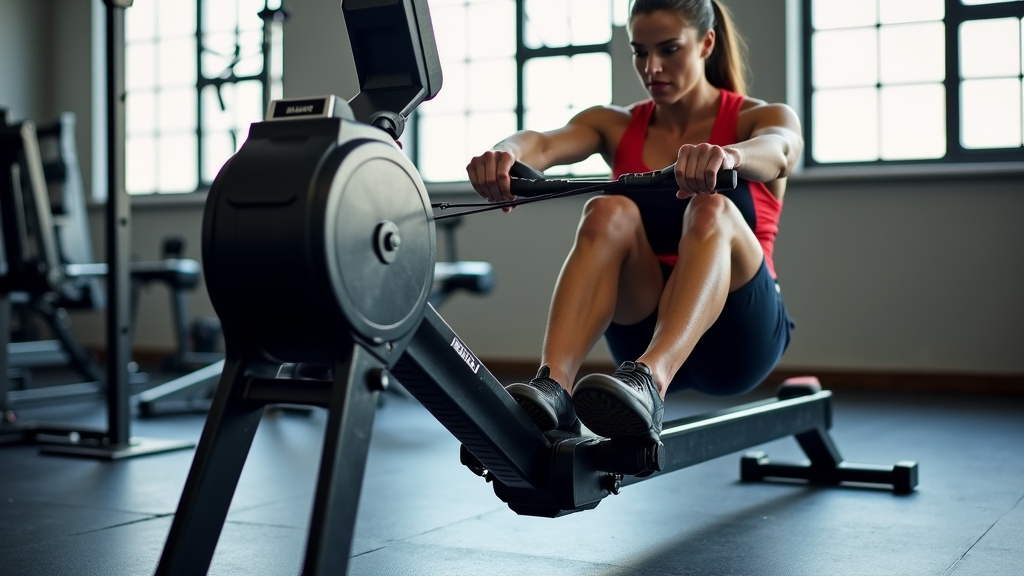
The rowing motion naturally involves your legs, core, and upper body. Your quadriceps and hamstrings drive the leg push. Your glutes provide power. Your core muscles stabilize your trunk. Your back, shoulders, and arms control the pull and finish. It’s a coordinated effort.
This type of compound movement is perfect for a warm-up. It mimics some of the functional patterns you’ll use in lifting. You’re not just isolating muscles; you’re activating them in a connected way. This helps your body prepare for more complex movements.
Improving Cardiovascular Readiness
A good warm-up isn’t just about flexibility. It’s also about getting your heart rate up. Rowing can achieve this effectively. A moderate pace will increase your heart rate gradually. This prepares your cardiovascular system for the increased demands of lifting. Rowing can effectively increase your heart rate, preparing your cardiovascular system for the demands of lifting.
When your heart is pumping a little faster, your body is more efficient. It can deliver oxygen more readily. This can help you feel more energetic and less fatigued during your workout. We found that even a short rowing session can make a noticeable difference in how ready you feel.
How to Row Effectively for Your Warm-Up
Now that you know rowing is a great choice, let’s talk about how to do it right. The goal isn’t to break any speed records. It’s to prepare your body.
Setting the Right Resistance and Pace
You don’t need to crank the resistance to the highest setting. Think of it as a light to moderate effort. A good starting point is a resistance level that allows you to talk comfortably. You should be able to maintain your form without struggling.
Your pace should also be controlled. Aim for a stroke rate that feels smooth and rhythmic. Many rowers have a display that shows your stroke rate per minute. For a warm-up, something in the 20-25 strokes per minute range is often ideal. We found this allows for good muscle engagement without undue fatigue.
Focusing on Proper Form
Good form is crucial for any exercise. On the rower, it means engaging the right muscles. It also means protecting your back.
Let’s break down the rowing stroke:
- The Catch: Start with your knees bent and your shins relatively vertical. Your arms are extended, reaching forward to grip the handle. Keep your back straight and your chest up.
- The Drive: This is where the power comes from. First, push with your legs. As your legs straighten, lean your torso back slightly. Finally, pull the handle towards your chest with your arms.
- The Finish: Your legs should be almost straight. Your torso is leaning back a bit. Your arms are pulled into your chest.
- The Recovery: This is the return motion. Extend your arms first. Then, hinge at your hips to lean forward. Finally, bend your knees to return to the catch position.
We found that focusing on this sequence ensures you’re using your legs and core effectively. It also prevents you from overextending your back. Maintaining a straight back throughout the stroke is key. Think about driving with your legs, then swinging your torso, then pulling with your arms.
Duration: How Long Should You Row?
You don’t need to spend an hour on the rower. For a warm-up, 5 to 10 minutes is usually sufficient. The exact duration can depend on your individual needs and how your body feels.
We found that 7-8 minutes is often the sweet spot. This is enough time to get your blood flowing and muscles activated. It’s not so long that you become fatigued before your main lifts. Pay attention to your body. If you feel warm and ready after 5 minutes, that’s fine. If you need a little longer, go for it.
Rowing vs. Other Cardio for Warm-Ups
You might be thinking about other cardio options. How does rowing stack up?
Rowing vs. Running/Jogging
Running is a great cardio exercise. However, it’s a high-impact activity. It puts more stress on your joints, especially your knees and ankles. For some people, starting with a jog might aggravate existing joint issues.
Rowing, on the other hand, is much gentler. It allows for a similar cardiovascular benefit without the jarring impact. This can be a significant advantage if you have joint sensitivity.
Rowing vs. Cycling
Cycling is another low-impact option. It’s excellent for warming up the lower body. However, it doesn’t engage your upper body and core as much as rowing does.
The full-body nature of rowing means you’re preparing more of your body for lifting. This can translate to better overall readiness and a more balanced warm-up. We found that rowers often report feeling their back and shoulders more activated compared to cycling.
Rowing vs. Dynamic Stretching
Dynamic stretching is absolutely vital for a good warm-up. Rowing can complement dynamic stretching, not replace it entirely. Dynamic stretches involve movement. Think leg swings, arm circles, and torso twists.
Rowing provides the cardiovascular element and muscle activation. Dynamic stretching then specifically targets the range of motion needed for your lifts. Many experts suggest combining both for the best pre-lift preparation (CDC).
What to Pay Attention to During Your Row
As you get into your rowing warm-up, keep these things in mind:
- Listen to your body: If something feels off, adjust.
- Maintain good posture: Keep that back straight!
- Breathe: Don’t hold your breath.
- Control your movements: Smoothness is key.
- Feel the muscles working: Engage your legs, core, and back.
We found that a little mindfulness goes a long way. You’re not just going through the motions. You’re actively preparing your body for what’s next.
When to Row and When to Choose Something Else
Rowing is generally a fantastic warm-up. However, there are times when you might tweak your routine.
Rowing is Great When…
You want a full-body activation. You need a low-impact cardio option. You want to increase blood flow and muscle temperature. You have about 5-10 minutes to spare before lifting.
Consider Alternatives If…
You have specific joint pain that rowing aggravates. You’re focusing on very light, isolation exercises where full-body rowing might feel like too much. You need a warm-up that is hyper-focused on a very specific movement pattern.
In most cases, however, rowing fits beautifully into a pre-lifting routine. It’s versatile and effective. Many fitness professionals recommend it as a foundational part of a well-rounded warm-up.
Conclusion
You’ve learned that a rowing machine is a stellar choice for warming up before your lifting sessions. It offers a low-impact, full-body workout. This gets your blood flowing and muscles ready without stressing your joints. Focusing on a moderate pace and good form for just 5-10 minutes is all it takes. You can now confidently integrate rowing into your routine. Start your next lifting session feeling more prepared and limber by hopping on the rower for a quick, effective warm-up.
Frequently Asked Questions
How long should a rowing warm-up typically last?
For most people, a rowing warm-up before lifting should last between 5 to 10 minutes. We’ve found that this duration is enough to effectively increase blood flow and activate major muscle groups without causing pre-workout fatigue.
Is rowing a good warm-up if I have knee pain?
Yes, rowing is often a great option if you have knee pain. It’s a low-impact activity, meaning it puts less stress on your joints compared to running or jogging. Just be sure to maintain good form to avoid any unnecessary strain.
What resistance level should I use on the rowing machine for a warm-up?
You should aim for a light to moderate resistance level. We found that choosing a setting where you can comfortably hold a conversation is ideal. The goal is to warm up your muscles, not to fatigue them before your main workout.
Can rowing replace dynamic stretching before lifting?
Rowing can complement dynamic stretching, but it shouldn’t entirely replace it. Rowing provides the cardiovascular and full-body activation, while dynamic stretches target specific movements for your lifts. Combining both offers the best preparation.
What are the main muscles worked during a rowing warm-up?
A rowing warm-up engages your entire body. Your legs (quads, hamstrings, glutes) drive the power, your core stabilizes, and your upper body (back, shoulders, arms) performs the pull. This coordinated effort prepares multiple muscle groups for lifting.
