Does Rowing Exercise Your Rotator Cuff Muscles?
Yes, rowing engages the rotator cuff muscles as shoulder stabilizers. The larger back and arm muscles do most of the pulling, so rowing isn't a focused rotator cuff strengthening exercise.
On this page (6 sections)
- Does rowing exercise rotator cuff muscles?
- Which muscles do the main work in a rowing stroke?
- Is rowing a rotator cuff rehabilitation exercise?
- How can you use good form to limit shoulder strain?
- Which equipment fits a shoulder-focused training plan?
- Does rowing exercise the rotator cuff enough for strength?
Yes, rowing engages the rotator cuff muscles as shoulder stabilizers while your arm moves through each stroke. The larger back and arm muscles do most of the pulling, so rowing isn't a focused rotator cuff strengthening exercise.
The rotator cuff is a group of muscles and tendons that helps hold the upper arm in the shoulder joint and control arm movement. During rowing, it works alongside larger muscles rather than acting as the main source of force.
Does rowing exercise rotator cuff muscles?
Yes, your rotator cuff helps stabilize your shoulder during rowing. It works as your arm reaches forward and pulls back, while your legs, back, and arms create most of the stroke's force.
A rowing stroke coordinates several areas of the body. Your legs begin the drive, your trunk opens, and your arms finish the pull; on the return, those actions reverse in a controlled order.
The rotator cuff helps keep the shoulder steady during this repeated movement. That involvement is different from isolating the cuff with a targeted strengthening exercise.
Which muscles do the main work in a rowing stroke?
Your legs, glutes, back, arms, and core handle much of the work. The rotator cuff supports shoulder movement, but it isn't the primary muscle group pulling the handle.
At the catch, you reach forward with control and bend your knees. During the drive, push through your feet before bending your elbows to bring the handle toward your torso.
Keep your shoulders relaxed as the arms finish the pull. If you want a broader breakdown of the stroke, see what muscles a rowing machine exercises.
Does rowing build shoulder muscles?
Rowing can involve your shoulders, but the movement trains several muscle groups together. It doesn't isolate the rotator cuff or guarantee a specific change in shoulder size or strength.
If shoulder muscle development is your goal, compare whether swimming or a row machine builds shoulders. Swimming and rowing use the upper body differently, and neither should be treated as a substitute for a specific rehabilitation plan.
Is rowing a rotator cuff rehabilitation exercise?
Rowing isn't a general rotator cuff rehabilitation plan. Whether it fits your recovery depends on the injury, your symptoms, and guidance from a clinician who knows your situation.
The repeated pull can place demand on the shoulder. If you have an injury or ongoing pain, ask a qualified health professional before starting or returning to rowing.
Stop if you notice sharp pain, worsening discomfort, or unusual weakness. For a closer look at this question, read whether a rowing machine is good for a rotator cuff injury.
What should you do if rowing causes shoulder discomfort?
Pause the workout if pain increases or your shoulder feels weak. Don't try to row through sharp or worsening pain to finish a set.
Check that you're not shrugging or pulling the handle too high. Lower the resistance and use a shorter, comfortable session only if a clinician has said rowing is appropriate for you.
How can you use good form to limit shoulder strain?
Keep your shoulders relaxed and let your legs start the drive. A controlled stroke can help you avoid turning every pull into a hard arm-and-shoulder tug.
At the catch, reach forward without rounding your upper back or forcing your shoulder into an uncomfortable range. Push with your legs first, then lean back slightly and bend your elbows.
Draw the handle toward your lower ribs, not your neck. On the return, extend your arms before bending your knees, and keep the movement smooth.
Resistance should let you maintain control through the full stroke. If you can't keep your shoulders relaxed, reduce the challenge or stop and reassess your setup.
Which equipment fits a shoulder-focused training plan?
Choose equipment for the movement you plan to do, not as treatment for a shoulder injury. A rowing machine supports rowing strokes, while the other options below serve different training needs.
Build a balanced plan with strength training for rowing, and keep any shoulder-specific exercises within guidance that fits your condition.
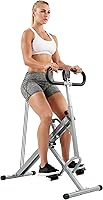
The Sunny Health & Fitness Smart Row-N-Ride Glute works through squat-style movement, with adjustable resistance bands and an adjustable handlebar and seat. It isn't a rowing machine or a rotator cuff rehabilitation device.
The Sunny Health & Fitness Compact Hydraulic Rower has 12 resistance levels and an inclined rail. Keep the resistance low enough to row with control, and use it only if rowing is appropriate for your shoulder.
If you're planning a group session, see how to build CrossFit rowing workouts. If you already have a home gym, this guide explains using a Bowflex as a rowing machine.
Does rowing exercise the rotator cuff enough for strength?
Rowing engages the rotator cuff, but it doesn't replace targeted shoulder strengthening. Its main value is coordinated full-body exercise, with the cuff helping stabilize the shoulder during each stroke.
If your goal is general fitness, focus on smooth form and a resistance level you can control. For a sport-specific example, see whether professional golfers train with rowing machines.
If your goal involves shoulder strength or recovery, get individualized advice before choosing exercises.
Choose a rower for regular rowing workouts, and choose other equipment only when it supports a movement you can do comfortably. For an injury or persistent pain, ask a clinician whether rowing belongs in your plan.
Frequently asked questions
Does rowing strengthen the rotator cuff?
Rowing engages the rotator cuff to help stabilize the shoulder, but it mainly trains the legs, back, arms, and core through repeated strokes. It isn't a focused rotator cuff exercise.
If you want targeted shoulder work, ask a qualified clinician or trainer which movements fit your needs.
Which muscles do most of the work during a rowing stroke?
The legs start the drive, then the trunk and upper body contribute as you pull the handle toward your torso. The back and arms do much of the pulling, while the core helps control your position.
The rotator cuff helps keep the shoulder joint stable as the arm moves.
Is rowing safe with a rotator cuff injury?
It depends on the injury and your symptoms. Rowing repeats shoulder movement under resistance, which may aggravate pain for some people.
Ask a clinician who knows your condition before using a rower, and stop if you feel sharp pain, worsening pain, or unusual weakness.
How can I reduce shoulder strain while rowing?
Use a comfortable resistance and keep your shoulders relaxed instead of shrugging toward your ears. Drive with your legs first, then lean back slightly and draw the handle toward your lower ribs.
Keep the return controlled, and stop if discomfort grows during or after the session.