How to Use a Rowing Machine for Active Recovery?
On this page (7 sections)
Yes, a rowing machine can be a fantastic tool for active recovery. It allows you to get your blood flowing and muscles moving without putting too much stress on your joints. This gentle movement helps reduce soreness and speeds up your recovery after a tough workout.
When you’re recovering, the goal is to aid your body’s natural repair processes. Rowing at a low intensity can do just that. It’s a full-body exercise that can be dialed back easily for recovery, unlike high-impact activities.
- Rowing helps blood flow to sore muscles.
- It’s a low-impact way to move your body.
- Adjust the intensity to your recovery needs.
- Great for reducing post-workout stiffness.
- Listen to your body and take it easy.
Ready to learn how to make the most of your rowing machine for recovery? Let’s walk through how to set it up and what intensity is just right.
Rowing Your Way to Better Recovery
You’ve pushed your body hard. Now it’s time to help it bounce back stronger. Using a rowing machine for active recovery is a smart move. It’s a gentle yet effective way to get your blood pumping. This helps deliver nutrients to tired muscles. It also helps remove waste products. Think of it as a spa day for your muscles, but on a machine.
Understanding Active Recovery on the Rower
Active recovery means engaging in light physical activity after a strenuous workout. The goal isn’t to challenge yourself. It’s to promote healing and reduce muscle soreness. A rowing machine excels here because it’s a low-impact, full-body exercise. You can control the intensity precisely. This makes it ideal for all fitness levels and recovery needs.
Why Rowing is Perfect for Recovery
Many fitness experts suggest low-intensity cardio for recovery. Rowing fits this bill perfectly. It works your legs, core, and upper body. This helps improve circulation throughout your entire body. Unlike running or jumping, rowing puts very little stress on your joints. This is important when your muscles are already fatigued or sore. You’re essentially getting a workout without the impact. A rowing machine excels here because it’s a low-impact, full-body exercise.
Research shows that increased blood flow can speed up muscle repair. It also helps to reduce the buildup of metabolic byproducts that cause that familiar post-workout ache. Rowing at a low intensity can help you achieve this benefit. It’s a way to keep moving and reap the rewards without overdoing it. You’re not trying to set a new record; you’re just aiding your body’s natural processes.
The Difference Between Hard Rowing and Recovery Rowing
It’s crucial to distinguish between training for performance and rowing for recovery. When you’re pushing your limits, you’re often aiming for high intensity, fast speeds, and building muscle or endurance. Recovery rowing is the opposite. You want a slow, steady pace. The focus is on smooth, controlled movements. Think of it like a relaxed walk versus a sprint.
How to Set Up Your Rowing Machine for Recovery
Getting your rower ready for a recovery session is simple. You don’t need fancy adjustments. The key is understanding how to manipulate your effort. It’s all about feeling good and easy.
Adjusting the Damper Setting (The “Oar” Analogy)
Many rowing machines have a damper, often called the “flywheel.” This controls the air resistance. Some people think it works like a gear on a bike. That’s not quite right. It’s more like the resistance of an oar in water. A higher damper setting (e.g., 7 or 8) creates more resistance, like rowing through thick water. A lower damper setting (e.g., 2 or 3) feels lighter, like rowing through calm water.
For active recovery, you generally want a lower damper setting. Think between 2 and 4. This allows for a smoother, less strenuous stroke. You don’t want to fight the machine. You want to glide with it. Experiment to find what feels easiest for you. It should feel like you could hold this pace for a very long time without getting tired.
Choosing Your Resistance (Ergometer Monitors)
Most modern rowing machines have a monitor that shows your workout data. This includes things like stroke rate, distance, and time. For recovery, you’re not chasing high numbers here. You’re looking for a comfortable, consistent effort. Don’t worry about breaking speed records. Focus on how you feel.
Your Recovery Rowing Workout Plan
Ready to hop on? Here’s a simple guide to your active recovery row. Remember, the key is low intensity. If you feel any sharp pain, stop immediately. This is about helping your body, not hurting it further.
Duration and Intensity: The Sweet Spot
How long should you row? For active recovery, aim for 20 to 30 minutes. This is enough time to get your blood flowing and muscles warmed up without causing fatigue. Your stroke rate should be quite low, typically between 18 and 22 strokes per minute. This is much slower than a typical workout rate, which might be 26-30 spm.
Your perceived exertion should be very low. On a scale of 1 to 10, where 1 is resting and 10 is maximum effort, you should feel like you’re at a 3 or 4. You should be able to hold a full conversation without getting breathless. If you find yourself gasping for air, you’re rowing too hard. Ease up. You’re giving your muscles a gentle nudge, not a full-on push.
Focus on Form for Maximum Benefit
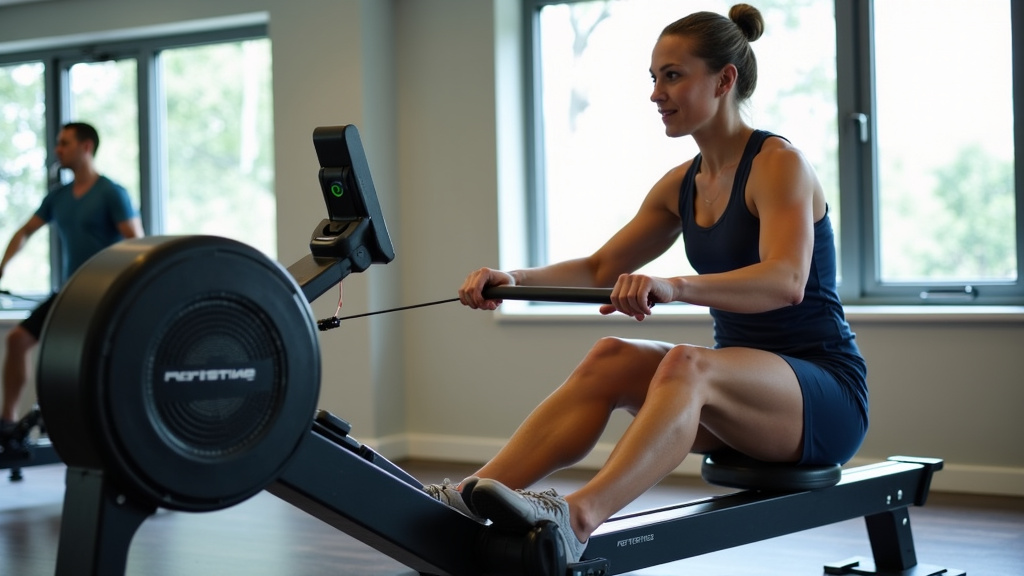
Even during recovery, good form is important. It ensures you’re engaging the right muscles and preventing strain. Remember the basic rowing sequence: Legs, Core, Arms; then Arms, Core, Legs. It’s a smooth, continuous motion.
The Catch: Start with your legs bent, arms extended, and hips hinged slightly forward.
The Drive: Push with your legs first. Then, as your legs straighten, engage your core and pull with your arms.
The Finish: Your legs should be straight, your torso slightly back, and your hands pulled to your chest.
The Recovery: Extend your arms first. Then hinge at your hips. Finally, bend your knees to return to the catch.
Focus on smooth transitions between each phase. Avoid jerky movements. This promotes relaxation and efficiency.
Sample Recovery Rowing Session
Here’s a sample structure for your session. Feel free to adjust the times based on how you feel.
- Warm-up (5 minutes): Start with very light effort. Focus on smooth movement and getting your body ready. Keep your stroke rate low (18-20 spm).
- Main Recovery (15-20 minutes): Maintain a steady, comfortable pace. Your stroke rate should be around 20-22 spm. You should feel a gentle workout, not a challenge. Breathe deeply and try to relax.
- Cool-down (5 minutes): Gradually slow down your stroke rate and intensity. Let your heart rate come down naturally. Finish with a few very easy strokes.
When to Incorporate Rowing for Recovery
You can use your rowing machine for active recovery on days when you’re not scheduled for intense training. This includes the day after a particularly hard workout, a long endurance session, or a strength training day. It’s also beneficial if you’re feeling stiff or a bit sluggish. You can use your rowing machine for active recovery rowing sessions on days when you’re not scheduled for intense training.
Listen to your body. If you’re feeling genuinely exhausted or sore, a full rest day might be more appropriate. Active recovery is for when you need to keep your body moving but don’t want to add stress. It’s about finding that balance. Many athletes find that 1-2 sessions of active recovery per week can make a big difference.
Recovery Rowing vs. Complete Rest
Complete rest is important for muscle repair. However, sometimes being completely sedentary can lead to stiffness. Active recovery, like rowing, helps combat this. It keeps blood flowing to the muscles without the damaging micro-tears associated with intense exercise. Think of it as getting the benefits of movement without the breakdown.
Research from institutions like the American College of Sports Medicine suggests that a blend of rest and active recovery is optimal for most athletes. It helps prevent overtraining while still promoting adaptation. So, it’s not always an either/or situation. Often, it’s a matter of smart recovery strategies.
Tips for a Great Recovery Row
Here are a few extra tips to make your recovery rowing session even better.
- Hydrate: Drink water before, during, and after your session.
- Focus on Breathing: Deep, controlled breaths are key.
- Mindful Movement: Pay attention to how your body feels.
- Consistency is Key: Incorporate it regularly into your routine.
- Enjoy It: Recovery should feel good, not like a chore.
| Metric | Recovery Rowing Goal | What it Feels Like |
|---|---|---|
| Intensity (RPE Scale 1-10) | 3-4 | Very light effort, easy breathing |
| Heart Rate | ~50-60% of Max HR | Comfortable, can talk easily |
| Stroke Rate (SPM) | 18-22 | Slow, controlled, deliberate strokes |
| Duration | 20-30 minutes | Enough to feel movement without fatigue |
| Resistance (Damper) | 2-4 | Light, smooth pull, not fighting the machine |
Listen to Your Body: The Ultimate Guide
Ultimately, the best way to use a rowing machine for active recovery is to listen to your body. If a particular day feels like a full rest day is needed, take it. If you feel a bit stiff but energetic enough for light movement, a recovery row is perfect. Your body will tell you what it needs. Pay attention to its signals.
Conclusion
You’ve learned that your rowing machine is a fantastic tool for active recovery. By focusing on a low intensity, you can boost blood flow to your muscles and reduce post-workout soreness. Remember to keep your damper setting low and your stroke rate steady for a comfortable, joint-friendly session. Don’t push yourself; aim for that 3-4 RPE level where you can still hold a conversation easily. Make recovery rowing a regular part of your routine, and you’ll help your body bounce back faster and stronger. So, hop on, find your rhythm, and let the rower work its magic for your recovery!
Frequently Asked Questions
How often should I use the rowing machine for active recovery?
Aim for 1-2 active recovery rowing sessions per week. Listen to your body; if you feel overly fatigued, a complete rest day might be better. Consistency is key, but so is understanding your body’s signals.
Can I use rowing for recovery even if I’m new to exercise?
Absolutely. Rowing’s low-impact nature makes it perfect for beginners or those new to recovery protocols. Focus on a very light effort and smooth form to start. You can gradually increase duration as you feel more comfortable.
What if my rowing machine doesn’t have a damper setting display?
If your machine lacks a damper number, focus on the feel of the pull. You want it to feel light and easy, allowing for a smooth, continuous stroke. If you’re feeling a significant challenge, it’s likely too intense for recovery.
How can I tell if I’m rowing too hard for recovery?
You’ll know you’re rowing too hard if you’re getting breathless, your heart rate feels very high, or you’re straining. You should be able to speak in full sentences without gasping for air during a recovery row.
Is rowing for recovery better than just stretching?
Both stretching and rowing can aid recovery, but rowing offers the benefit of increased blood circulation throughout the entire body. This can help deliver nutrients and remove waste products more effectively than static stretching alone.