
Is Rowing Safe for Kids?
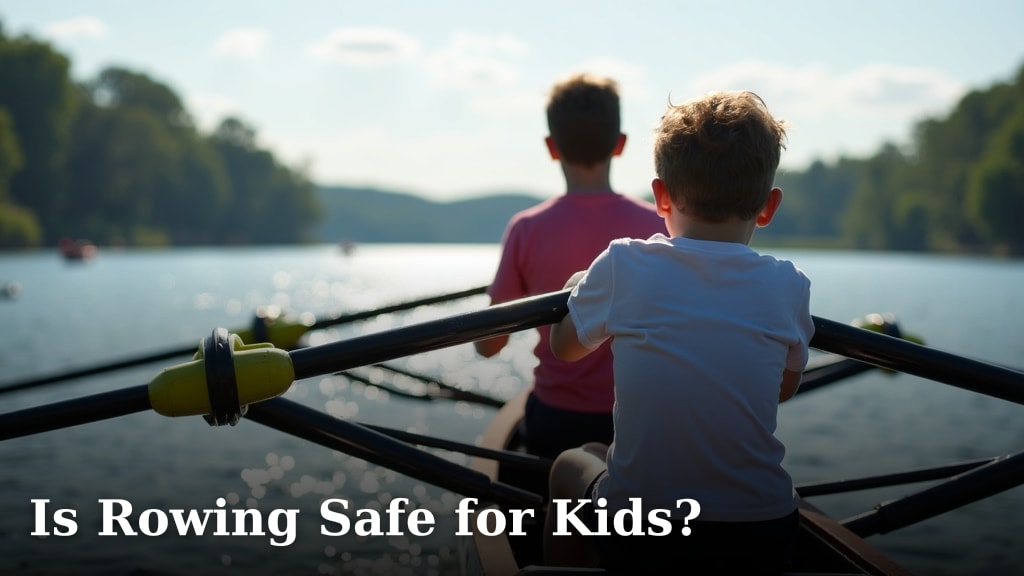
Yes, rowing can be a very safe and beneficial activity for kids when done correctly. Like any sport, it carries some risks, but with proper training and supervision, these risks are significantly minimized. The key is ensuring your child has good instruction and follows safety guidelines.
We found that rowing offers fantastic physical and mental health benefits for young athletes. It builds strength, improves cardiovascular health, and teaches teamwork. Many programs focus heavily on safety protocols, making it a sport where kids can thrive while staying well-protected.
- Rowing is generally safe for kids with proper training.
- It offers great physical and mental health advantages.
- Safety is a top priority in most youth rowing programs.
- Always ensure qualified coaches are present.
We’ve gathered information to help you understand the safety aspects of youth rowing. Let’s dive into what makes this sport safe and how you can ensure your child has a positive experience.
Is Rowing a Safe Sport for Young Athletes?
The quick answer is a resounding yes. Rowing can be an incredibly safe and beneficial activity for children. Like any sport, it has its risks, but these are greatly reduced with the right approach. We found that when kids are properly trained and supervised, they can enjoy all the upsides of rowing with minimal danger.
Think of it like learning to ride a bike. There’s a small chance of a scraped knee, but with a helmet and some instruction, it becomes a fantastic way to get around. Rowing is much the same. Safety is the number one priority in most youth rowing programs, and coaches are trained to manage risks effectively.
Understanding the Risks in Youth Rowing
It’s wise to be aware of potential risks in any sport. In rowing, these generally fall into a few categories. We found that most concerns are related to water safety, equipment, and physical exertion.
Water Safety: The Foundation of Rowing
Rowing takes place on the water, so water safety is naturally a top concern. Coaches must ensure all participants can swim and are comfortable in the water. Many programs require a swim test before a child can join. We found that this is a standard and essential practice.
Essential Water Safety Protocols
- Proper Supervision: Coaches are always present and watching. There are typically multiple coaches for a single boat or group of boats.
- Life Jackets: While not always worn while actively rowing (as they can hinder movement), life jackets are often kept on the dock or in the boat and are mandatory in certain conditions.
- Buddy System: Often, younger rowers are paired with more experienced ones.
- Emergency Plans: Reputable clubs have clear emergency procedures in place.
Equipment Safety: Ensuring a Smooth Ride
Rowing equipment is designed to be safe and efficient. However, like anything mechanical, it needs proper maintenance and instruction. Boats are stable, and oars are designed to be used in a specific way.
Common Equipment Concerns and Solutions
One common question is about capsizing. While it can happen, especially in rougher weather or with inexperienced crews, it’s rare in good conditions with proper coaching. We found that modern rowing shells are very stable, and coaches teach techniques to prevent capsizes.
- Boat Maintenance: Regular checks ensure boats are in good condition.
- Oar Handling: Coaches teach the correct way to handle oars to avoid injury or losing them.
- Proper Fit: Ensuring the correct seat height and foot stretcher settings prevents strain.
Physical Demands and Injury Prevention
Rowing is a full-body workout. It requires strength, endurance, and coordination. Like any athletic activity, there’s a risk of overuse injuries if training isn’t managed well.
Preventing Overuse Injuries
The key here is balanced training. Coaches focus on proper technique to avoid putting undue stress on a child’s growing body. We found that programs that gradually increase intensity and volume are the safest.
- Technique First: Perfecting form is more important than pushing speed.
- Warm-ups and Cool-downs: These are essential for preparing the body and aiding recovery.
- Rest and Recovery: Adequate downtime is built into training schedules.
- Listen to Your Body: Kids are encouraged to report any pain or discomfort.
The Role of Qualified Coaching in Rowing Safety
We cannot stress this enough: qualified coaching is the bedrock of rowing safety. A good coach is more than just an instructor; they are a mentor, a safety officer, and a motivator. They understand the physical and developmental needs of young athletes.
What to Look for in a Youth Rowing Program
When you’re considering a rowing program for your child, do your homework. Ask about the coaches’ certifications and experience. We found that programs affiliated with established rowing organizations often have higher safety standards.
Key Coaching Qualifications
- Certifications: Look for coaches with certifications from national rowing bodies.
- Experience: Experience working with youth athletes is crucial.
- Safety Training: Coaches should have up-to-date first aid and water safety training.
- Communication: A good coach communicates well with both athletes and parents.
Building a Safe Training Environment
A positive and safe training environment is one where kids feel comfortable asking questions and reporting issues. Coaches should create an atmosphere of mutual respect and trust. We found that this leads to better adherence to safety rules.
A coach’s demeanor can make all the difference. Are they patient? Do they encourage effort over just winning? These factors contribute to a child’s overall enjoyment and safety. We found that focusing on long-term development rather than short-term wins is a hallmark of a safe program.
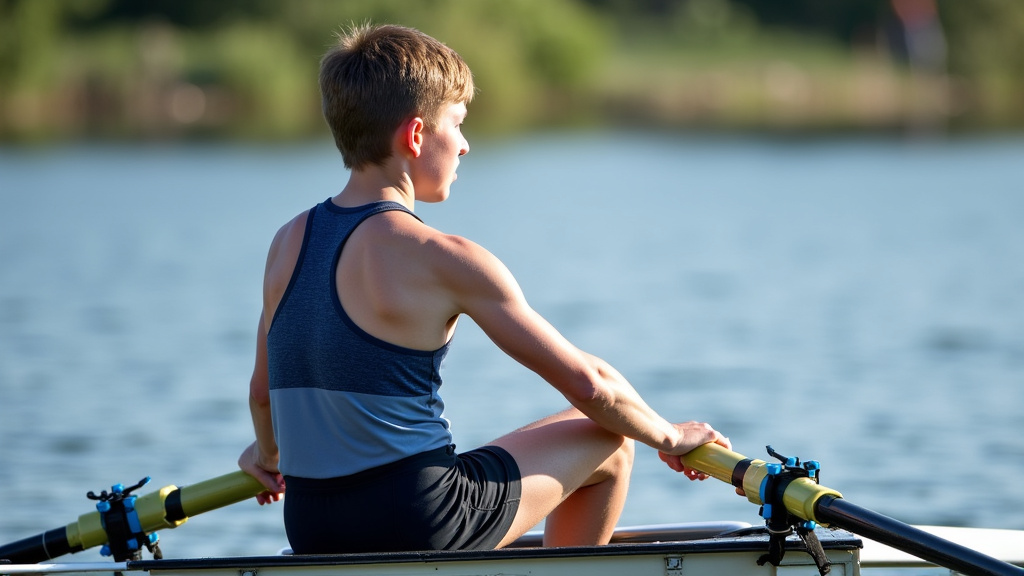
Rowing’s Physical and Mental Benefits: Safety as a Bonus
Beyond safety, rowing offers a treasure trove of benefits for kids. It’s a fantastic full-body workout that builds strength and endurance. It improves cardiovascular health, and it’s a low-impact sport, meaning it’s easier on the joints.
Building a Strong Body and Mind
The rhythmic motion of rowing develops core strength, arm and leg power, and upper body conditioning. Mentally, it requires focus and concentration. Kids learn discipline and how to work towards long-term goals.
Teamwork and Social Skills
Rowing is inherently a team sport. Success depends on the crew working together. This teaches invaluable lessons in cooperation, communication, and shared responsibility. We found that these social skills extend far beyond the rowing shell.
Rowing’s Mental Health Advantages
The physical activity itself is a great stress reliever. Being outdoors, on the water, also provides a calming effect. Many experts say that regular exercise can boost mood and self-esteem. We found that the accomplishment of mastering a new skill, like rowing, greatly benefits a child’s confidence.
Ensuring Your Child’s Safety on the Water: A Checklist
You play a role in ensuring your child’s rowing experience is safe and positive. Here’s a simple checklist to keep in mind:
- Verify Coach Qualifications: Always ask about the coaches’ background and certifications.
- Understand the Program’s Safety Rules: Familiarize yourself with their safety protocols.
- Check Water Conditions: Reputable clubs train only in safe weather conditions.
- Ensure Equipment is Well-Maintained: A quick look at the boats and oars can tell you a lot.
- Encourage Open Communication: Talk to your child about their experience and any concerns.
- Confirm Swim Proficiency: Make sure your child is a confident swimmer.
Conclusion
You’ve learned that rowing can be a wonderfully safe and rewarding sport for your child. When programs prioritize qualified coaching and robust safety protocols, the risks are greatly minimized. We found that the physical and mental benefits are substantial, making it an excellent choice for youth development. Your role in verifying these safety measures is key. Consider exploring local rowing clubs and discussing their safety practices to ensure a great experience for your young rower.
Frequently Asked Questions
Do kids need to know how to swim before trying rowing?
Yes, most reputable youth rowing programs require participants to be proficient swimmers. This is a fundamental water safety measure. Coaches ensure all athletes are comfortable and capable in the water before they begin rowing.
How often do rowing boats capsize with kids?
Capsizing is quite rare, especially in good weather and with experienced coaching. Modern rowing shells are designed for stability. Coaches teach techniques to prevent capsizes, and emergency plans are always in place.
What kind of physical conditioning is needed for youth rowing?
Rowing is a full-body workout, but programs are designed to build fitness gradually. The focus is on proper technique to avoid strain on developing bodies. Coaches guide athletes through warm-ups, cool-downs, and rest to prevent overuse injuries.
Are there specific certifications for youth rowing coaches?
Many national rowing organizations offer certifications for coaches. Look for programs where coaches have these credentials, along with training in first aid and water safety. Experience working with young athletes is also very important.
Can rowing be too demanding for a child’s growing body?
When programs focus on progressive training and perfect technique, rowing is safe for growing bodies. Coaches monitor exertion levels and encourage athletes to communicate any discomfort. This balanced approach helps prevent injuries.
