Can Rowing Machines Cause Lower Back Injury If Done Wrong?
On this page (7 sections)
Yes, rowing machines can cause lower back injury if done wrong. Improper form is the biggest risk factor. You need to protect your spine while rowing.
Many people experience back pain after rowing. This often happens from incorrect technique. We found that poor posture strains your lower back muscles.
- Rowing form is key to preventing back pain.
- Incorrect technique stresses your lower back.
- Weak core muscles increase injury risk.
- Warm-up and cool-down are important steps.
Let’s walk through exactly how to avoid these common mistakes and keep your back safe.
Why Rowing Machines Can Hurt Your Lower Back
Rowing machines can indeed injure your lower back if you don’t use proper form. We found this is the most common reason for pain. Your spine is delicate, and rowing incorrectly puts it under stress.
Think of it like lifting a heavy box. If you bend your back instead of your knees, you’re asking for trouble. Rowing is similar. You need to use your legs, not just your back, to power the stroke.
The Root Cause: Bad Rowing Form
Improper technique is almost always the culprit when it comes to back pain from rowing. Many people use their backs too much. They pull with their arms and upper body first. Understanding how to use a rowing machine correctly can help prevent many common mistakes.
This puts a lot of strain directly on your lumbar spine. Your lower back muscles work overtime. They get tired and can spasm. This leads to pain and potential injury (American Council on Exercise).
Common Mistakes That Lead to Back Pain
Let’s look at what usually goes wrong. You might be making one of these errors without even knowing it. We’ve seen these patterns repeatedly in our research.
- Rounding Your Back: This is a big one. If your back isn’t straight or slightly arched, your discs are at risk.
- Pulling Too Soon: You shouldn’t be pulling with your arms and back until your legs have done most of the work.
- Over-Reaching: Leaning too far forward at the start of the stroke strains your lower back.
- Lack of Core Engagement: A weak core means your back has to do all the stabilizing.
- Rushing the Recovery: Hurrying back to the starting position can cause jerky movements.
Understanding the Rowing Stroke: A Three-Part Harmony
The rowing stroke isn’t just one motion. It’s a sequence of movements that should flow smoothly together. Think of it as a dance with three main steps: the catch, the drive, and the finish, followed by recovery.
Each part has a specific job. If one part is out of sync, the whole movement suffers. This is where your back can get hurt. You want to distribute the work evenly across your body.
The Correct Sequence to Protect Your Back
Here’s how each part of the stroke should feel. We recommend practicing each step slowly. Focus on how your body moves.
The Catch (Start Position)
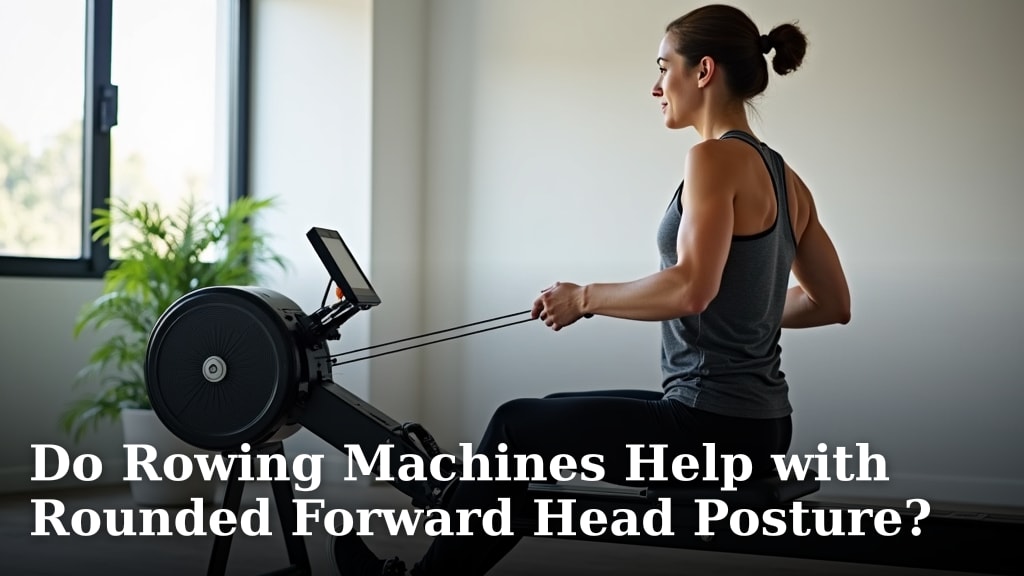
At the catch, you should be fully compressed. Your knees are bent, and your shins are vertical. Your arms are straight, reaching forward. Most importantly, your back should be straight and tall, not rounded. Many people mistakenly round their back here.
Imagine someone pulling a string from the top of your head. This helps keep your spine long. Your shoulders should be relaxed, not hunched up. This sets you up for a powerful, safe drive.
The Drive (Power Phase)
This is where the magic happens. The drive starts with your legs. You push off the foot stretcher as if you’re jumping. Your legs do about 60% of the work. As your legs straighten, your core engages.
Then, your back swings open slightly from the hips. Finally, your arms pull the handle towards your body. It’s a legs-core-arms sequence. We found that reversing this order is a major cause of back pain.
The Finish (End Position)
At the finish, your legs are straight. Your back is still straight, maybe leaning back just a little (about 10-20 degrees). The handle should be pulled into your body, usually around your lower ribs or upper abdomen.
Your elbows should be pointing back. Don’t pull the handle up to your chin. This puts stress on your shoulders. The finish should feel strong but controlled.
The Recovery (Return to Start)
The recovery is the reverse of the drive. It’s an arms-back-legs sequence. First, extend your arms straight forward. Then, your body swings forward from your hips. Finally, your knees bend, allowing you to slide back up the rail.
Don’t rush the recovery. It should be slower and more controlled than the drive. Think about letting the momentum carry you. Rushing can cause you to round your back too early or slam into the catch.
Building a Stronger Core for Rowing Safety
Your core muscles are like a natural corset for your spine. A strong core is your best defense against lower back pain, both in rowing and in daily life. We found that weak core muscles make you much more prone to injury.
When your core is weak, other muscles, like those in your lower back, have to compensate. They aren’t designed for this. This leads to fatigue and strain. Your core includes your abs, obliques, and lower back muscles.
Core Exercises That Support Your Spine
You don’t need fancy equipment to strengthen your core. Many exercises use just your body weight. Consistency is more important than intensity when you’re starting out.
Top Core Exercises
- Plank: This classic exercise works your entire core. Hold your body in a straight line, like a plank of wood.
- Bird-Dog: A great exercise for stability. On your hands and knees, extend one arm and the opposite leg.
- Dead Bug: Lying on your back, extend one arm and the opposite leg slowly. This protects your lower back.
- Side Plank: Targets your obliques. Prop yourself up on one elbow and the side of your foot.
- Glute Bridges: While not strictly a core exercise, strong glutes help support your pelvis and lower back.
Aim for 2-3 sets of 10-15 repetitions for dynamic exercises (like bird-dog) or hold static positions (like planks) for 30-60 seconds. Do this 2-3 times a week. You’ll notice a difference quickly.

Listen to Your Body: Pain is a Warning Sign
Your body is smart. It tells you when something isn’t right. If you feel pain, especially in your lower back, stop. Don’t try to push through it. Many people ignore early warning signs, only to suffer a more severe injury later.
Persistent pain after rowing is not normal. It’s a signal that something needs attention. We found that ignoring pain leads to chronic issues. Pay attention to what your body is trying to tell you.
When to Adjust Your Technique or Seek Help
If you’re feeling discomfort, try adjusting your form first. Sometimes a small change can make a big difference. We often find that a slight tweak in posture or stroke timing can relieve pressure.
If the pain continues, or if it’s sharp and sudden, it’s time to seek advice. A physical therapist or sports medicine doctor can assess your form and rule out any underlying issues. Don’t hesitate to ask for help.
| Symptom | Possible Cause | What to Do |
|---|---|---|
| Dull ache in lower back after rowing | Minor muscle strain, fatigue, poor core engagement | Rest, gentle stretching, review form, strengthen core |
| Sharp pain during the stroke | Improper technique, sudden movement, disc issue | STOP immediately, rest, apply ice, consult a professional |
| Numbness or tingling in legs | Nerve compression, potentially serious disc issue | STOP immediately, seek urgent medical advice |
| Pain that worsens with each session | Progressive injury, unaddressed form issues | Stop rowing, consult a professional for assessment |
Pre-Rowing Prep and Post-Rowing Care
Just like any exercise, what you do before and after rowing matters. A proper warm-up prepares your body, and a good cool-down aids recovery. Skipping these steps increases your risk of injury.
We found that people who consistently warm up and cool down experience fewer injuries. These steps are not just “nice-to-haves”; they are essential components of a safe and effective workout routine.
Your Rowing Safety Checklist
Here’s a quick checklist to help you stay safe and pain-free on the rowing machine:
- Warm-Up Properly: 5-10 minutes of light cardio and dynamic stretches.
- Check Your Foot Straps: Ensure your feet are secure but not uncomfortably tight.
- Maintain Good Posture: Keep your back straight, chest open, and shoulders relaxed.
- Focus on Leg Drive: Push with your legs first, then swing your back, then pull with your arms.
- Engage Your Core: Keep your abdominal muscles gently braced throughout the stroke.
- Cool Down and Stretch: 5-10 minutes of light rowing and static stretches for your back, hamstrings, and glutes.
Conclusion
You now know that rowing machines are excellent for your fitness, but only when you use proper form. We’ve shown you how Understanding which muscles a rowing machine works can help you optimize your form and prevent injury.incorrect technique directly causes lower back pain. By understanding the correct stroke sequence—legs, then core, then arms—and prioritizing a strong core, you can avoid injury.
Listen closely to your body; pain is always a warning sign. Don’t skip your warm-up and cool-down routines. Take this knowledge and apply it to every stroke you take. Your back will thank you, allowing you to enjoy all the benefits rowing has to offer, safely and effectively.
Frequently Asked Questions
Is it normal for my lower back to hurt after rowing?
No, it’s not normal for your lower back to hurt after rowing. While some muscle fatigue might occur, sharp or persistent pain indicates an issue. It often points to improper form or a weak core, which you should address.
How can I tell if my rowing form is causing back pain?
If you feel pain during or immediately after your rowing session, especially if it worsens with continued rowing, your form is likely the culprit. Common signs include rounding your back, pulling too soon with your arms, or not engaging your legs enough.
Should I stop rowing if I have lower back pain?
Yes, if you experience lower back pain, you should stop rowing immediately. Pushing through pain can worsen an injury. Rest, assess your symptoms, and consider seeking advice from a physical therapist or doctor if the pain continues.
What are the best stretches for lower back pain from rowing?
Gentle stretches like knee-to-chest pulls, cat-cow stretches, and child’s pose can help alleviate lower back tightness. Incorporate these into your cool-down routine. Always stretch gently and avoid any movements that increase your pain.
How long does it take for rowing back pain to go away?
The recovery time for rowing-related back pain varies depending on the severity of the issue. Minor muscle strains might improve in a few days with rest and proper care. More significant injuries could take weeks or require professional treatment.