Do Rowing Machines Help Lower Blood Pressure?
On this page (8 sections)
- How Rowing Machines Can Aid Your Blood Pressure Health
- The Cardiovascular Benefits of Rowing
- How Rowing Impacts Blood Pressure Readings
- Rowing Machine Workouts: What to Expect
- Beyond Blood Pressure: Additional Health Perks
- Making Rowing Part of Your Blood Pressure Management Plan
- Conclusion
- Frequently Asked Questions
Yes, rowing machines can help lower blood pressure. Regular cardio workouts like rowing improve your heart health and circulation. This is a proven way to manage hypertension. You’ll be working major muscle groups, which helps your heart pump blood more efficiently.
When you consistently use a rowing machine, you’re giving your cardiovascular system a fantastic workout. Research shows that aerobic exercise is key to lowering high blood pressure. It also helps you manage your weight, which is another factor in blood pressure control. Think of it as a gentle, yet effective, tune-up for your entire body.
TL;DR:
- Rowing machines are great for lowering blood pressure.
- It’s a type of cardio exercise that strengthens your heart.
- Consistent workouts improve blood circulation.
- It can also help with weight management.
- A healthier heart leads to better blood pressure readings.
Ready to see how rowing can make a difference for you? Let’s break down what makes it so effective.
How Rowing Machines Can Aid Your Blood Pressure Health
So, can using a rowing machine actually help lower your blood pressure? The short answer is a resounding yes! Rowing is a fantastic form of cardiovascular exercise. It gets your heart pumping and improves blood flow throughout your body. This is exactly what your doctor recommends for managing hypertension. It’s a full-body workout that’s surprisingly gentle on your joints, making it accessible for many.
When you row, you engage a large percentage of your muscles. This includes your legs, core, and arms. This widespread muscle activation means your heart has to work a bit harder to deliver oxygen. Over time, this consistent effort strengthens your heart muscle. A stronger heart can pump more blood with each beat. This reduces the overall strain on your arteries, which is a key factor in lowering blood pressure.
The Cardiovascular Benefits of Rowing
Rowing machines provide what’s known as aerobic exercise. This type of activity is essential for heart health. It helps improve your body’s ability to use oxygen. This is often referred to as your VO2 max. A higher VO2 max means your cardiovascular system is more efficient. It can supply oxygen to your muscles more effectively during workouts and daily life. This efficiency directly benefits your blood pressure.
Strengthening Your Heart Muscle
Think of your heart like any other muscle. When you challenge it regularly, it gets stronger and healthier. Rowing provides that consistent challenge. You’re not just doing a quick burst of activity. You’re sustaining an effort that conditions your heart over time. This makes it a powerful tool for heart disease prevention.
Improving Blood Circulation
Beyond just strengthening the heart, rowing improves the overall health of your circulatory system. It helps to keep your blood vessels flexible and open. This allows blood to flow more freely. Stiff or narrowed blood vessels can contribute to high blood pressure. By promoting better circulation, rowing can help counteract this effect. Many health organizations highlight improved circulation as a primary benefit of regular aerobic exercise (CDC).
Better circulation also means your body can more easily get rid of waste products. This includes things that can negatively impact blood pressure. It’s like clearing out traffic jams in your body’s roadways.
How Rowing Impacts Blood Pressure Readings
The effect of rowing on blood pressure isn’t just theoretical. Numerous studies have shown a positive correlation. When people consistently incorporate rowing into their fitness routine, they often see a measurable decrease in their blood pressure. This effect is most pronounced with regular, moderate-intensity workouts.
Understanding the Science Behind It
When you exercise, your body releases certain chemicals called endorphins. These are natural mood boosters. But they also play a role in blood vessel function. Endorphins can help your blood vessels relax and widen. This makes it easier for blood to flow, reducing pressure. Research has found that aerobic exercise, like rowing, can lead to these beneficial physiological changes (NIH).
Another factor is the improvement in endothelial function. The endothelium is the inner lining of your blood vessels. Healthy endothelium helps regulate blood pressure by releasing substances that cause blood vessels to dilate. Regular rowing exercise strengthens this lining, promoting better blood pressure control. It’s a vital system for maintaining cardiovascular wellness.
Consistency is Key for Results
It’s important to understand that you won’t see drastic changes overnight. Lowering blood pressure through exercise requires dedication. Aim for at least 150 minutes of moderate-intensity aerobic activity per week. This could be broken down into sessions of 30 minutes, five days a week. Rowing machines make it easy to achieve this goal in a comfortable setting.
The key is to make rowing a regular part of your lifestyle. Think of it as an investment in your long-term health. The more consistent you are, the more pronounced the benefits will be for your blood pressure and overall well-being.
Rowing Machine Workouts: What to Expect
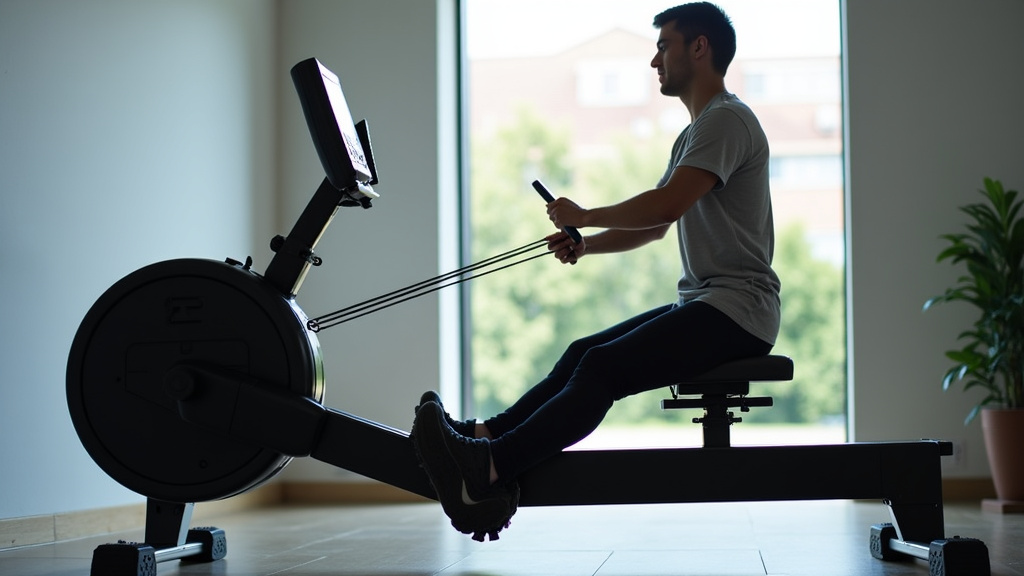
If you’re new to rowing, starting can feel a little daunting. But it’s quite intuitive once you get the hang of it. A good rowing workout involves a fluid motion that uses your legs, core, and arms in sequence. This full-body engagement is what makes it so effective for cardiovascular health.
Getting Started with Proper Form
Correct form is crucial to maximize benefits and prevent injuries. You want to start with your legs bent and your back straight. Then, push with your legs, extend your hips, and finally, pull the handle towards your chest. The return motion is the reverse: extend your arms, hinge at your hips, and then bend your legs. Focus on smooth, controlled movements. Many rowing machines offer tutorials or guides to help you learn the proper technique.
Structuring Your Rowing Sessions
For blood pressure benefits, focus on moderate intensity. This means you should be able to talk, but not sing, during your workout. You can start with shorter sessions and gradually increase the duration and intensity. A typical session might include a 5-minute warm-up, 20-30 minutes of steady rowing, and a 5-minute cool-down.
Interval training can also be very effective. This involves alternating between periods of higher intensity rowing and periods of lower intensity recovery. This type of workout can further boost your cardiovascular fitness and contribute to blood pressure reduction. However, always listen to your body and consult with a healthcare professional before starting any new exercise program.
Beyond Blood Pressure: Additional Health Perks
While lowering blood pressure is a major win, rowing machines offer a host of other health advantages. These benefits work together to create a healthier you. They can make managing your blood pressure feel like a natural part of a broader health improvement plan.
Weight Management and Metabolism
Rowing is an excellent calorie-burning exercise. This makes it a powerful tool for weight management. Maintaining a healthy weight is essential for controlling blood pressure. Excess body weight can put extra strain on your heart and blood vessels. By helping you shed pounds, rowing indirectly contributes to lower blood pressure.
Furthermore, regular exercise like rowing can boost your metabolism. This means your body burns more calories even at rest. This can lead to sustained weight loss and improved body composition over time. A faster metabolism is a sign of a healthier, more efficient body.
Improved Mood and Reduced Stress
We’ve already touched on endorphins, but their impact on mood is significant. Regular exercise is a well-known stress reliever. Stress can cause temporary spikes in blood pressure. By helping you manage stress and anxiety, rowing can contribute to more stable blood pressure levels. A calmer mind often leads to a healthier heart.
Many users report feeling more relaxed and energized after a rowing session. This mental health boost is a wonderful side effect of physical activity. It’s another reason why rowing is such a great addition to a healthy lifestyle.
Making Rowing Part of Your Blood Pressure Management Plan
Integrating rowing into your life doesn’t have to be complicated. It’s about finding a sustainable routine that fits your schedule and preferences.
Here’s a simple checklist to get you started:- Consult your doctor before starting any new exercise program.
- Start with short, manageable rowing sessions (15-20 minutes).
- Focus on proper form to prevent injuries and maximize effectiveness.
- Aim for consistency, building up to at least 150 minutes of moderate activity per week.
- Listen to your body and don’t push yourself too hard, especially at first.
- Consider incorporating interval training as you get fitter.
Rowing machines are a fantastic way to get effective cardio exercise right in your own home. They provide a full-body workout that strengthens your heart, improves circulation, and can lead to a noticeable reduction in blood pressure. Remember, consistency is your best friend here. By making rowing a regular habit, you’re investing in a healthier, happier heart and a better quality of life. You’ve got this!
Conclusion
You’ve learned that rowing machines are a fantastic tool for managing blood pressure. Your consistent rowing workouts strengthen your heart and improve blood circulation. This leads to better cardiovascular health overall. Remember to focus on proper form and aim for regular sessions. By making rowing a habit, you’re taking a big step towards a healthier heart. You’ve got this!
Frequently Asked Questions
How often should I row to see blood pressure improvements?
For noticeable blood pressure benefits, aim for at least 150 minutes of moderate-intensity rowing per week. You can break this down into 30-minute sessions five days a week. Consistency is more important than intensity when you’re starting out.
Can rowing help if my blood pressure is only slightly elevated?
Yes, even slightly elevated blood pressure can benefit from regular aerobic exercise like rowing. Research shows that consistent cardio workouts help improve blood vessel function and reduce strain on your heart. It’s a great way to prevent it from getting worse.
Is rowing too intense for someone with high blood pressure?
Rowing can be very safe and effective for managing high blood pressure. Start with moderate intensity, where you can still hold a conversation. Always listen to your body and consult your doctor before starting any new exercise program, especially if you have a pre-existing condition.
What’s the difference between rowing and other cardio for blood pressure?
Rowing is a full-body workout that engages many large muscle groups, making it very efficient for cardiovascular conditioning. While other cardio like running or cycling also helps, rowing offers a low-impact, joint-friendly alternative that works your entire body for improved circulation.
Do I need a special rowing machine for blood pressure benefits?
No, a standard indoor rowing machine is perfect. The key is the consistency of your workout, not the specific model. Many machines offer features like built-in programs to help you track your progress and maintain a good intensity level for your goals.