Do Rowing Machines Help with Rounded Upper Back from Desk Work?
On this page (3 sections)
Yes, rowing machines can significantly help with a rounded upper back caused by desk work. They strengthen key muscles that improve your posture. Using a rower regularly can counteract the effects of prolonged sitting.
Sitting at a desk often leads to weak back muscles and tight chest muscles. This combination pulls your shoulders forward, creating that rounded look. Rowing machines work both your back and core muscles, which are vital for good posture. We found that consistent rowing helps to rebalance your body’s strength.
- Rowing strengthens weak back muscles.
- It helps open your chest and shoulders.
- This exercise can improve your overall posture.
- It targets muscles often neglected by desk work.
- Consistency is key for best results.
Are you ready to straighten up and feel better? Let’s walk through exactly how rowing can transform your posture and overall well-being.
Rebalancing Your Body: How Rowing Can Fix Your Posture
You spend hours hunched over a screen. Does this sound familiar? Your upper back starts to round, your shoulders creep forward. We know the feeling. This posture, sometimes called “tech neck” or “desk posture,” comes from a muscle imbalance. Your chest muscles get tight, and your upper back muscles become weak and stretched. A rowing machine helps to correct this imbalance.
It works by strengthening the muscles you need to pull your shoulders back and sit up straight. We found that consistent rowing can transform your posture. It builds a stronger foundation for your entire upper body. Think of it as a way to hit the reset button on your posture.
Understanding “Desk Posture”
What exactly happens when you sit for long periods? Your body adapts to the position you hold most often. For many of us, that’s sitting at a desk. Your muscles literally learn to be in that rounded shape. It’s a natural but unwelcome adaptation.
Your chest muscles, like your pectorals, get shorter and tighter. Your back muscles, particularly those between your shoulder blades, get longer and weaker. This pulls your shoulders forward, creating that rounded look. It also puts strain on your neck and lower back. This isn’t just about how you look; it can lead to aches and pains (Cleveland Clinic).
Poor posture also affects your breathing. When your chest is caved in, your lungs can’t fully expand. This can make you feel more tired. So, fixing your posture isn’t just cosmetic; it’s about your overall health and energy levels.
The Rowing Machine Advantage for Posture Correction
So, how does rowing specifically help? A rowing machine engages a wide range of muscles. It’s a full-body workout, but it especially targets your back. This is key for counteracting desk posture.
When you row, you perform a pulling motion. This motion strengthens your rhomboids, trapezius, and lats. These are the very muscles that become weak from sitting. They are responsible for pulling your shoulders back and keeping your spine aligned. It’s like building a strong support system for your upper body.
Rowing also opens up your chest. As you extend forward in the stroke, your chest muscles get a gentle stretch. This helps release the tightness that pulls your shoulders forward. It’s a two-pronged approach: strengthening the weak and lengthening the tight.
Muscles Activated During Rowing for Posture
Let’s look at the specific muscles at play. You’ll understand why rowing is so effective. This isn’t just guesswork; it’s based on how the body moves (American Council on Exercise).
- Rhomboids and Trapezius: These muscles are between your shoulder blades. They pull your shoulder blades together. This action helps to retract your shoulders and stand taller.
- Latissimus Dorsi (Lats): Your lats are large muscles in your mid-back. They help stabilize your spine and pull your arms down and back. Strong lats support a neutral spine position.
- Erector Spinae: These muscles run along your spine. They help you maintain an upright posture. Rowing strengthens them, preventing slouching.
- Core Muscles: Your abs and lower back muscles work together to stabilize your torso. A strong core is fundamental for good posture. Rowing engages your core throughout the entire stroke.
By working these muscle groups together, rowing creates a balanced and strong back (see our rowing for rounded shoulders). This naturally helps to pull your shoulders back and straighten your upper body. You’ll feel a difference in how you carry yourself.
Proper Rowing Form for Posture Improvement
Getting the most out of your rowing for posture means using good form. Bad form can actually make things worse. We found that focusing on technique is just as important as the workout itself. Don’t rush into high intensity; master the movement first.
A good rowing stroke has four main parts: the catch, the drive, the finish, and the recovery. Each part plays a role in working your muscles correctly. Many rowing machines have screens or guides that can help you learn proper form.
Key Form Tips for a Better Back
Here are some crucial pointers to ensure your rowing helps, not hurts, your posture:
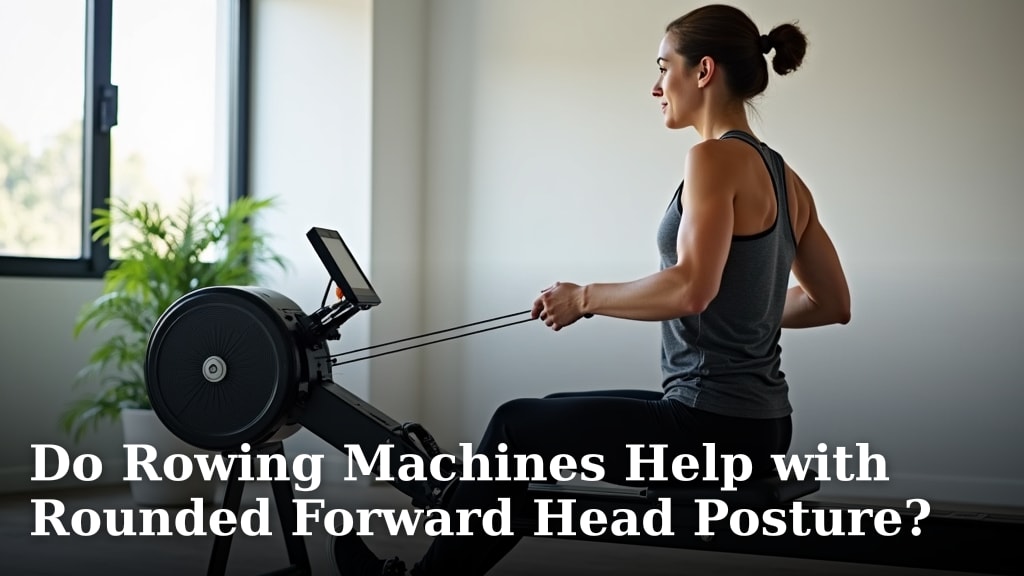
- Start with good posture: Before you even start rowing, sit tall on the machine. Shoulders back, chest open, core engaged.
- The Catch: Lean forward slightly from your hips, not your back. Keep your core tight. Your shins should be vertical.
- The Drive: Push powerfully with your legs first. Then, hinge back slightly from your hips. Finally, pull the handle towards your lower ribs with your arms and back. Your back muscles should be doing a lot of work here. Think about squeezing your shoulder blades together.
- The Finish: Sit tall. Handle at your lower ribs. Shoulders are back and down. You should feel your back muscles engaged.
- The Recovery: Extend your arms first, then hinge forward from your hips, then bend your knees. Keep your back straight throughout.
Remember, it’s not about speed or strength initially. It’s about performing each stroke with control and purpose. This is how you target those posture-correcting muscles effectively. If you’re unsure, watch some instructional videos or ask a trainer.
Integrating Rowing into Your Routine for Lasting Change
How often should you row? Consistency is vital when it comes to posture correction. A few random sessions won’t magically fix years of desk work. We found that regular, dedicated effort yields the best results.
Start slowly, especially if you’re new to rowing. Your muscles need time to adapt. Overdoing it can lead to soreness or injury. A gradual increase in frequency and duration is always recommended (National Institutes of Health).
Suggested Rowing Schedule
Here’s a sample schedule to get you started. Adjust it to fit your fitness level and schedule:
| Week | Frequency | Duration Per Session | Focus |
|---|---|---|---|
| 1-2 | 2-3 times/week | 10-15 minutes | Learning form, light intensity |
| 3-4 | 3 times/week | 15-20 minutes | Maintaining good form, moderate intensity |
| 5+ | 3-4 times/week | 20-30 minutes | Increased intensity, varied workouts |
Listen to your body. If you feel pain, stop. It’s better to take a break and come back refreshed than to push through and risk injury. The goal is long-term improvement, not quick fixes.
Beyond the Rower: Supporting Your Posture Journey
While rowing is fantastic, it’s one piece of the puzzle. Your posture journey should be holistic. What you do the other 23 hours of the day matters too. We found that combining rowing with other habits accelerates progress.
Think about your workstation setup. Is your monitor at eye level? Are your feet flat on the floor? These small adjustments can make a big difference. Also, regular stretching can help too. Focus on opening up your chest and loosening your hips. These areas often get tight from sitting.
Checklist for Better Posture Habits
Use this checklist to support your rowing efforts:
- Take short breaks every 30-60 minutes from your desk.
- Stand up and walk around during breaks.
- Adjust your computer monitor to eye level.
- Ensure your chair provides good lumbar support.
- Stretch your chest muscles daily.
- Perform simple back strengthening exercises (e.g., wall slides, “Y” raises).
These habits, combined with consistent rowing, create a powerful approach. You’ll not only correct your rounded upper back but also prevent it from returning. You deserve to feel comfortable and confident in your own skin.
So, yes, a rowing machine is a powerful tool against the rounded upper back from desk work. It helps you build strength, improve flexibility, and develop better body awareness. Start rowing, and start standing taller. Your back will thank you!

Conclusion
You’ve seen how effectively a rowing machine can combat that rounded upper back from desk work. By strengthening crucial back and core muscles while stretching a tight chest, rowing helps to rebalance your posture. Consistency in your routine and proper form are your best allies in this journey. We found that combining regular rowing with smart workstation habits creates lasting change. You can stand taller, feel better, and reduce those nagging aches.
So, take the step. Start incorporating rowing into your fitness routine today. Your improved posture and overall well-being will be a welcome reward!
Frequently Asked Questions
How long does it take to see posture improvements from rowing?
You might start feeling subtle changes in muscle engagement and awareness within a few weeks of consistent rowing. Visible improvements in a rounded upper back often take 1-3 months. This depends on how severe your posture issues are and how regularly you row.
Can rowing make my rounded shoulders worse if I use bad form?
Yes, absolutely. Incorrect rowing form, especially slouching or pulling too much with your arms instead of your back, can reinforce bad posture habits. Always prioritize correct technique over speed or intensity to ensure you’re strengthening the right muscles and not straining your neck or back.
Is a rowing machine better than yoga for fixing rounded shoulders?
Both rowing and yoga can help with rounded shoulders, but in different ways. Rowing excels at building the specific back muscle strength needed to pull your shoulders back. Yoga focuses more on flexibility, mobility, and body awareness, which also supports good posture. Combining both can offer a very comprehensive approach.
Do I need any special equipment besides the rower to help my posture?
Not necessarily. While a rowing machine is your primary tool, consider a good office chair with lumbar support and a monitor stand to bring your screen to eye level. These small ergonomic adjustments complement your rowing efforts by reducing strain throughout your day.
Can I still row if I have back pain from my desk job?
If you have existing back pain, it’s wise to consult your doctor or a physical therapist before starting any new exercise, including rowing. They can advise if rowing is safe for you and suggest modifications. Often, light rowing with perfect form can be therapeutic, but it’s crucial to get professional guidance first.