How to Troubleshoot a Wooden Rowing Machine
To fix a wood rowing machine, check the frame and fasteners first, then inspect the seat, foot straps, handle, and resistance system. Stop using it if the wood is cracked or a structural joint moves.
On this page (8 sections)
- How do you inspect a wooden rowing machine frame?
- What should you check if the seat sticks or squeaks?
- How do you fix a loose foot strap?
- What if the handle or pull cord feels wrong?
- Why does a wooden rowing machine make unusual noises?
- What if the resistance feels uneven?
- How do you prevent repeat problems?
- How to fix wood rowing machine problems safely
To fix a wood rowing machine, inspect the wooden frame and fasteners before adjusting moving parts. Stop using it if you see a crack, a loose joint, or movement in the frame, then contact the maker for repair guidance.
If the frame looks sound, check the rail, seat, foot straps, handle, and resistance system one at a time. For model-specific care, see Concept2 rower maintenance.
Small issues like dust, a loose strap, or a noisy seat may have simple fixes, but follow the machine manual before tightening parts or applying lubricant.
How do you inspect a wooden rowing machine frame?
Check for cracks, gaps at joints, loose fasteners, and signs of movement before each session. Look along the rails, supports, feet, and areas where the frame connects.
Wipe away dust so you can see the wood clearly. If a mark looks like a crack, don't load the machine to see whether it gets worse.
Check fasteners gently by hand or with the tool and method named in the manual. Avoid overtightening, which can damage wood or hardware.
Don't apply wood glue, filler, or a finish to a structural area without the maker's instructions. If a joint shifts or a crack reaches an edge, stop using the machine and ask the maker or a qualified repair professional to inspect it.
What should you check if the seat sticks or squeaks?
A sticky or squeaky seat often calls for cleaning the rail and checking the rollers before changing anything else. Remove dust and hair with a soft cloth, and inspect the rail for dents or objects that could catch the seat.
Move the seat slowly by hand if the manual permits it. If a roller is damaged, a fastener is loose, or the seat binds after cleaning, stop and contact the maker.
Use only lubricant approved for the machine. Too much or the wrong type can attract dirt or affect the rail surface.
For steps focused on seat noise, see how to fix a squeaky rowing machine seat. The broader how to maintain a rowing machine guide can help you set a regular cleaning and inspection routine.
How do you fix a loose foot strap?
A loose foot strap may need rethreading or adjustment, depending on how it attaches to the footplate. Check that the strap lies flat and passes through the buckle as shown in your machine manual.
Pull it snug without twisting it, then tug gently before placing your feet in the footrests. Replace a strap that is frayed, torn, or unable to stay secured.
Read the step-by-step quick fix for a rowing machine foot strap that keeps loosening if the strap repeatedly slips. Don't improvise a replacement with cord or unrelated exercise straps.
What if the handle or pull cord feels wrong?
If the handle feels loose, inspect its attachment and the visible cord for fraying, knots, or unusual wear. Stop rowing if the cord is damaged, catches, or no longer retracts smoothly.
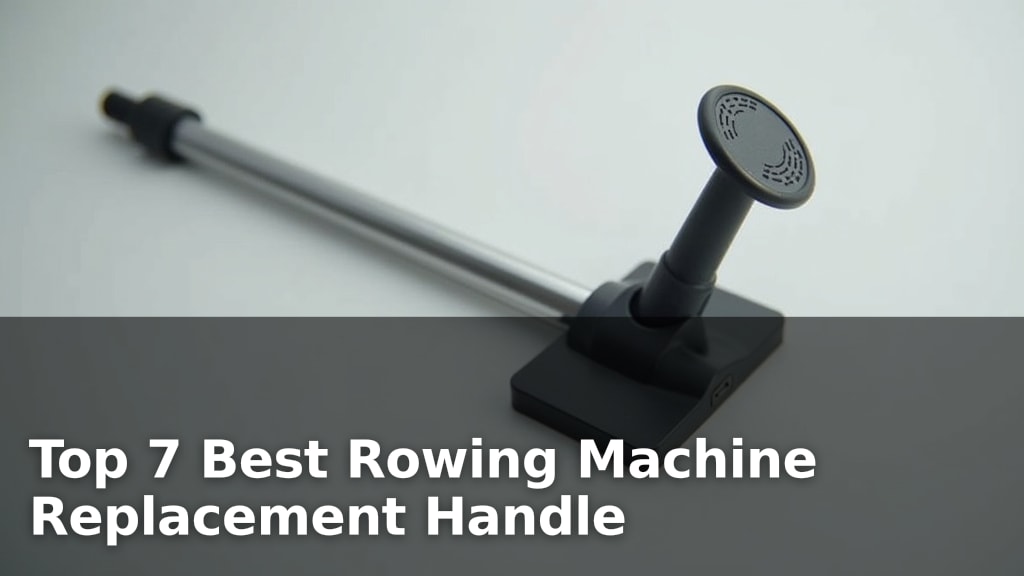
Tighten or replace parts only as the manual directs. A replacement handle should match the machine's connector and intended use; compare options in our guide to the best rowing machine replacement handle.
A rough pull can also come from the resistance mechanism. Don't open an enclosed mechanism or reach into moving parts while the machine is in use.
Why does a wooden rowing machine make unusual noises?
A new rattle, scrape, or knock can point to debris, a loose part, or a moving component that needs inspection. Note when the noise happens, then check the frame, rail, seat, handle, and visible fasteners with the machine stopped.
Remove debris from the rail and tighten only the parts the manual identifies as user-serviceable. If the sound continues, grows louder, or comes with jerking or uneven resistance, stop and contact the maker.
For general repair steps across different machine types, see how to fix a rowing machine. Avoid riding through a noise to diagnose it under load.
What if the resistance feels uneven?
Uneven resistance can come from a problem in the machine's drive or resistance system, so stop if the pull catches, surges, or changes suddenly. Check for visible damage and follow the manual's basic troubleshooting steps.
Don't open a water tank, flywheel housing, or other enclosed mechanism unless the maker's instructions say it's safe. If the plug keeps popping out, see water rower plug troubleshooting.
If the problem remains after the permitted checks, contact the maker or a qualified repair professional.
Can ankle straps help with wooden rowing machine repairs?
No, ankle straps are for cable exercises and don't repair or replace rowing machine foot straps. They won't secure a damaged footplate or fix a loose rowing strap.
The Fitgriff® pair has adjustable hook-and-loop closures and neoprene padding, and it can also be adjusted for wrist use.
Only consider these for a separate cable workout if that setup suits your exercise. Keep the rowing machine's own straps in place and use parts made for its model when repairing it.
When would Gymreapers ankle straps be useful?
Gymreapers ankle straps are designed for cable kickbacks and other lower-body cable exercises, not for repairing a rowing machine. The pink pair clips to a cable machine and is described for leg and glute exercises.
These straps won't fit or secure a rowing footplate unless the machine maker specifically approves them. Use the correct replacement strap for your rower.
Is the green Gymreapers pair a rowing strap replacement?
No, the Ranger Green Gymreapers pair is also for cable-machine leg exercises, not rowing footrests. Its nylon exterior and steel D-ring are intended for cable attachments.
Don't attach it to a rower as a workaround. Check your model's parts guidance for a compatible strap.
How do you prevent repeat problems?
Prevent many minor issues by keeping the rail clean, checking straps and fasteners, and storing the machine as its manual directs. Wipe sweat promptly, and avoid placing the frame where moisture or heat can damage the wood.
For tank care on a WaterRower, see how to clean a WaterRower tank.
After moving the machine, inspect its joints and supports before rowing. Keep the machine on a stable, level floor, and don't use it if it rocks or shifts.
If a problem returns after a simple adjustment, write down what you noticed and when it occurs. That information can help the maker identify the right part or service step.
How to fix wood rowing machine problems safely
For a wood rowing machine, clean and inspect first, make only manual-approved adjustments, and stop when the frame or mechanism may be damaged. Choose cleaning and maintenance steps for routine dust or strap slack, but contact the maker about cracks, shifting joints, frayed cords, or uneven resistance.
Use rowing-specific replacement parts for repairs. Cable ankle straps can support separate leg workouts, but they don't solve a rowing machine fault.
Frequently asked questions
Can you repair a cracked wooden rowing machine frame?
A small surface mark may be cosmetic, but a crack that opens under load or reaches a joint can affect the frame's strength. Stop rowing and ask the machine's maker or a qualified repair professional to assess it.
Don't fill or glue a structural crack and return the machine to use without guidance.
Why does my wooden rowing machine seat squeak?
A squeak can come from debris on the rail, a dry contact point, or a loose seat component. Clean the rail and inspect the rollers and fasteners first, then follow the machine manual for approved lubrication.
If the sound continues or the seat binds, stop and check with the maker.
How often should I inspect a wooden rowing machine?
Look over the frame, joints, rail, seat, straps, and handle before use, especially if the machine has been moved or stored. Clean it and check fasteners on the schedule in its manual.
A change in sound, looseness, or movement is a reason to inspect it before rowing again.
Can I use wood glue on a rowing machine?
Don't use household wood glue as a structural repair unless the machine's maker approves that method. A rowing machine frame carries repeated force, and glue may not restore a damaged joint.
Stop using the machine and ask the maker or a qualified repair professional what repair is safe.