Why Is My Rowing Machine Chain Rattling?
An indoor rowing machine chain usually rattles because it is loose, misaligned, dry, or contacting a nearby part. Stop rowing, inspect the chain path and visible fasteners, then follow the machine manual before adjusting or lubricating anything.
On this page (7 sections)
- What causes indoor rowing machine chain rattle noise?
- What should you check before rowing again?
- Should you lubricate a rattling rowing machine chain?
- How do you fix chain rattle at home?
- When should you stop and get help?
- How can you prevent a rowing machine chain from rattling?
- What should you do about indoor rowing machine chain rattle noise?
An indoor rowing machine chain usually rattles because it is loose, misaligned, dry, or touching a nearby part. Stop rowing, inspect the chain path and visible fasteners, then follow the machine manual before adjusting or lubricating anything.
A chain rattle is different from a squeak or a click. Note when it happens, such as during the drive, on the return, or throughout each stroke; that pattern can help narrow down the source.
What causes indoor rowing machine chain rattle noise?
Chain movement, contact, or a loose nearby component can create rattling. A sound from the handle or chain may also come from another part along the same path, so listen carefully before deciding what needs attention.
Stop rowing and check the chain for a visible kink, unusual slack, or signs that it is rubbing against a guard. Look for loose covers or fasteners you can see, but don't remove guards or reach into the mechanism unless the manual says to.
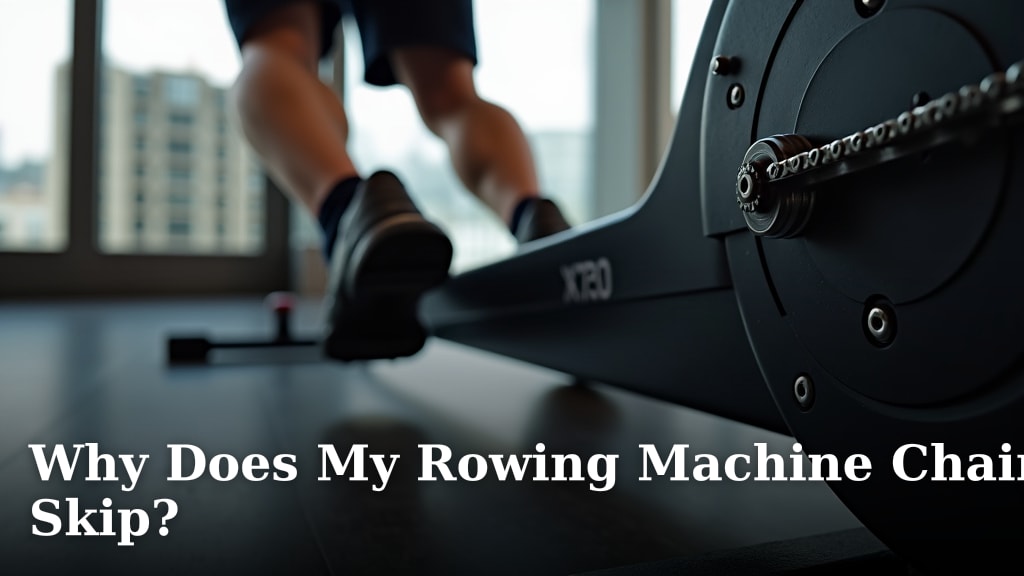
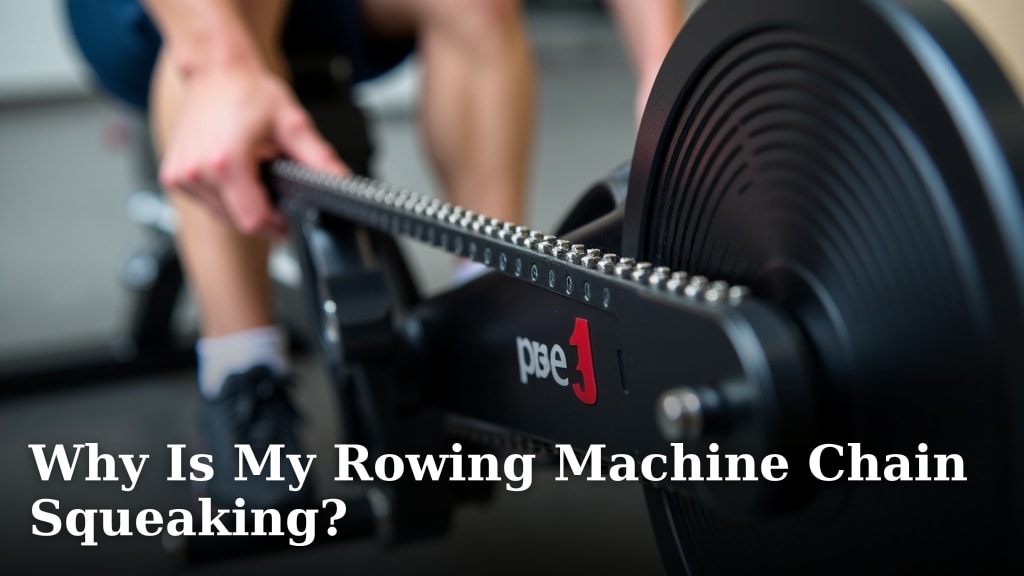
If the chain jumps or slips as well as rattling, read Why Does My Rowing Machine Chain Skip? for signs that it may not be tracking properly. A squeak is a separate symptom; Why Is My Rowing Machine Chain Squeaking? covers possible friction and lubrication concerns.
What should you check before rowing again?
Check for visible damage, rubbing, and loose parts while the machine is stopped. Unplug or power down the rower if its manual calls for that before inspection.
Move the handle slowly only if the manual permits it, keeping your hands clear of pinch points. Watch whether the chain runs straight and whether the noise happens at one point in the stroke.
Don't tighten an unfamiliar fastener or bend the chain back into place. If you see damage, the chain catches, or a cover is loose inside the mechanism, leave the rower out of use until you can follow the maker's service instructions.
Does the rattle come from the chain or another part?
A sound that repeats at the same point in every stroke can help identify where to look. Listen from a safe distance and check whether the chain touches anything as it extends and retracts.
A click may come from a different moving part. Compare the sound with Why Does My Rowing Machine Make a Clicking Noise? before treating every repeated noise as a chain issue.
If resistance also changes or feels uneven, see Why Is My Rowing Machine Resistance Not Working? for checks related to the resistance system.
Should you lubricate a rattling rowing machine chain?
Lubricate the chain only if your machine's manual recommends it and names a suitable type. A dry chain can make noise, but lubrication won't fix a chain that is loose, damaged, or rubbing against another part.
Wipe away visible dust with a clean cloth if the manual allows routine cleaning. Apply only the amount and method the maker specifies, and keep lubricant away from surfaces where it could cause slipping.
For a Concept2 rower, follow the maker's chain-care directions in How to Oil a Concept2 Rower Chain. Don't assume instructions for that machine apply to a different rower.
What lubricant options may fit the job?
Choose a lubricant only after confirming that it suits your rower's chain and manual. These options have different forms and intended uses, so none should be treated as a universal fix for chain rattling.
Petrol-Gel is a mineral-oil gel described for machinery parts and gym equipment. Its food-grade positioning doesn't confirm that it's suitable for your rower's chain, so check the machine instructions first.
WD-40 Specialist Silicone Lubricant is a spray described for equipment, tracks, cables, and pulleys. Confirm that silicone spray is allowed for your chain and apply it only as directed.
The 1DFAUL product is designed for treadmill belts. A treadmill belt is not a rowing machine chain, so don't use it on the rower unless the maker specifically approves it.
How do you fix chain rattle at home?
Start with the manual's cleaning and inspection steps, then stop if the chain still rattles. A home check can catch visible rubbing or a loose cover, but internal adjustment may require the maker's instructions or a qualified repairer.
- Stop rowing and power down the machine as instructed.
- Look for visible chain damage, unusual slack, or contact with a guard.
- Check accessible covers and fasteners for looseness.
- Clean and lubricate only as the manual directs.
- Move the handle gently, if allowed, and listen for the rattle again.
- Contact the maker or a repair service if the sound remains or the chain catches.
Don't force the chain, bend it, or open a guarded mechanism to reach internal parts. For broader troubleshooting, use How To Fix Rowing Machine? and follow your model's own service guidance.
When should you stop and get help?
Stop using the rower if the chain skips, catches, appears damaged, or makes a loud rattle that continues after basic checks. A chain that doesn't track smoothly needs attention before the next workout.
If your rower uses a belt, see how to check for a loose rowing machine belt.
Contact the maker for help if you can't identify the source or if fixing it would require removing a guard. Keep the model information handy and describe when the sound occurs, such as only on the pull or at the start of every stroke.
How can you prevent a rowing machine chain from rattling?
Follow the maintenance schedule in your machine's manual and check the chain path periodically. Routine cleaning and the correct lubrication, when called for, can help prevent avoidable noise.
Keep the area around the rower clear so loose objects don't strike the chain or frame. Stop and inspect new sounds early, especially if the handle starts moving unevenly or resistance changes.
If the chain is quiet after inspection and the handle moves smoothly, resume gradually and listen for the noise. If it returns, stop and arrange service rather than adding more lubricant.
What should you do about indoor rowing machine chain rattle noise?
For indoor rowing machine chain rattle noise, check for visible damage, misalignment, rubbing, or loose parts before considering lubrication. Use only the care steps and lubricant your rower's manual permits.
If the chain jumps or skips, start with Why Does My Rowing Machine Chain Skip?. If it keeps rattling or catches, stop rowing and contact the maker or a repair service.
Frequently asked questions
Why is my rowing machine chain rattling?
A rowing machine chain may rattle because it is loose, out of line, dry, or touching a guard or another part. Stop rowing and check the chain path and visible fasteners.
Follow the machine manual for cleaning, lubrication, and adjustments, and contact the maker if the chain is damaged or the noise continues.
Can I keep rowing if the chain rattles?
Stop if the chain rattles loudly, jumps, catches, or looks damaged. Continuing may worsen a mechanical problem or cause the chain to come off.
If the sound is faint, still pause to inspect the chain path and visible parts before resuming, and follow the machine's instructions.
Should I oil a rattling rowing machine chain?
Only oil the chain if your machine's manual calls for it and specifies an appropriate lubricant. Wipe off dirt first and apply lubricant as directed.
Too much or the wrong kind can attract debris or affect nearby parts, so don't use a general lubricant without checking compatibility.
Why does my rowing machine chain rattle only during the drive?
A rattle that happens only as you pull may point to movement under load, chain alignment, or a loose part along the chain path. Stop and inspect for visible contact or damage without forcing the chain.
If the cause isn't clear, use the maker's service guidance.