What Muscles Get Sore First When You Start Rowing?
On this page (3 sections)
When you start rowing, you’ll likely feel soreness first in your legs and glutes. These large muscles work hard to power your stroke. You’ll also notice some tightness in your core and arms. This initial discomfort is totally normal for new rowers.
Rowing is a full-body workout. Your legs do the initial push, driving the seat forward. Your core stabilizes your body throughout the motion. Then, your arms and back engage to pull the handle toward you. The muscles that are most used in this sequence tend to feel the burn first.
- Legs and glutes are usually the first to feel sore.
- Your core muscles will also get a workout.
- Arms and back muscles will feel it too.
- Soreness is a sign your muscles are adapting.
- Consistency is key to building strength and reducing soreness.
Let’s break down exactly which muscles get sore first and why, so you know what to expect as you build your rowing routine.
Understanding Initial Rowing Muscle Soreness
So, you’ve hopped on the rowing machine, ready to get that amazing full-body workout. You might be wondering which muscles will feel the burn first. Typically, your legs and glutes are the first to report for duty and often the first to feel that familiar post-workout ache.
Why is this the case? Think of the rowing stroke as a powerful push. Your legs are the engine. They initiate the drive that propels you and the machine forward. This initial power generation requires a lot of muscle engagement. It’s like your body’s way of saying, “Okay, we’re working here!”
The Powerhouse: Your Legs and Glutes
When you start rowing, your legs are doing some serious heavy lifting. They’re responsible for the “drive” phase of the stroke. This is where you push the foot stretchers away from the machine’s flywheel. It’s a very large muscle group. Research has shown that the quadriceps, hamstrings, and gluteal muscles are heavily recruited during this phase (NCBI).
Quadriceps: The Front of Your Thighs
Your quads are key players in straightening your knees during the drive. They help you push off powerfully. If you’re new to rowing, you’ll likely feel this area working hard. It’s a common spot for that initial stiffness.
Hamstrings: The Back of Your Thighs
The hamstrings assist in driving the legs. They work in conjunction with the glutes. They help control the movement and provide power. You might notice a deep ache in the back of your thighs after a few sessions.
Glutes: Your Buttocks
Your glutes are the largest muscles in your body. They are essential for hip extension. This means they help you powerfully extend your hips during the drive phase. When you’re starting out, these muscles might feel surprisingly fatigued. They are working harder than you might expect.
The Stabilizers: Your Core and Back
While your legs are pushing, your core and back muscles are working to keep you stable and upright. They ensure your power transfer is efficient and that you don’t tip over. This stabilizing role can also lead to soreness.
Abdominal Muscles: Your Six-Pack (or Not-So-Six-Pack)
Your abs are crucial for maintaining good posture. They prevent your torso from slumping forward or arching backward. They brace your core throughout the entire stroke. This constant engagement can lead to that familiar soreness after a workout.
Lower Back Muscles: The Spinal Erectors
These muscles run along your spine. They help keep your back straight and strong. They work in tandem with your abs to create a stable core. New rowers often experience some discomfort here as their back muscles get used to the posture. It’s important to maintain a neutral spine to avoid overstraining.
The Finishers: Your Arms and Shoulders
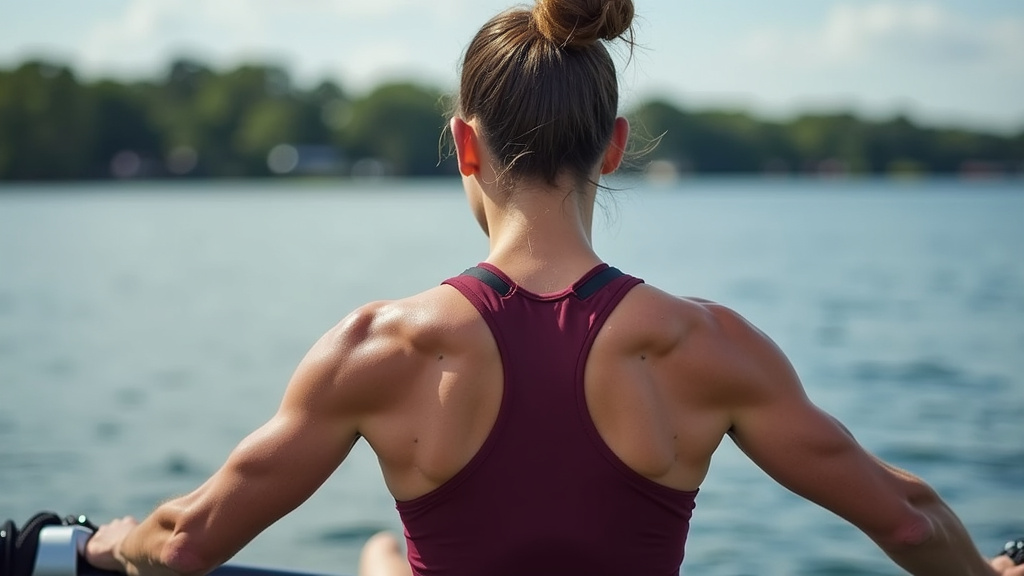
The final part of the stroke involves pulling the handle towards your body. This is often called the “finish.” While not typically the first area to feel sore, your arms and shoulders are definitely involved and will contribute to overall fatigue.
Biceps: The Front of Your Upper Arms
Your biceps help to bend your elbows and pull the handle towards your chest. They work in opposition to your triceps. While not the primary movers, they do get a good workout. You might feel a slight pull or tightness here.
Forearms: Grip Strength
You need a good grip on the handle. Your forearm muscles are responsible for this. Holding on tightly, especially for longer workouts, can lead to tired forearms. You might notice your grip feels weaker as you fatigue.
Shoulder Muscles: Deltoids
Your shoulder muscles assist in pulling the handle. They also help control the movement. They play a role in keeping your arms in the correct position. Some initial soreness in the front of your shoulders is not uncommon.
Why This Specific Soreness Happens
Soreness, often called Delayed Onset Muscle Soreness (DOMS), is a normal response to new or increased physical activity. It happens when microscopic tears occur in your muscle fibers. Your body then repairs these tears, making your muscles stronger and more resilient.
Rowing engages large muscle groups, especially during the powerful drive phase. This high demand on your leg and glute muscles means they are prime candidates for DOMS. Think of it as your body adapting to a new challenge. It’s a good sign you’re pushing yourself and encouraging muscle growth.
Many fitness professionals agree that DOMS is a temporary side effect of building strength. Guidelines from organizations like the American College of Sports Medicine suggest that this soreness typically peaks 24-72 hours after exercise and gradually subsides.
It’s important to remember that rowing is a full-body exercise. While your legs might feel it first, nearly every major muscle group is involved in some way. The initial soreness is simply highlighting the muscles that were most challenged by the specific movements of the stroke.
What to Expect as You Continue Rowing
As you become more consistent with your rowing routine, you’ll notice a few things. The initial soreness in your legs and glutes will likely decrease. Your muscles will become more accustomed to the demands. You’ll find you can row longer and harder before feeling fatigued.
You might also start to notice soreness in other areas. As your leg and glute strength improves, your body will rely more on your core and upper body for power and stability. This can shift the feeling of soreness over time. It’s a sign of your body adapting and getting stronger overall.
Consistency is key here. The more you row, the more your muscles will adapt. This adaptation process reduces soreness and builds endurance. It’s a gradual journey, and each workout helps you move forward.
A Quick Comparison of Initial Soreness
Let’s look at how the muscle groups typically feel the burn:
| Muscle Group | Typical Soreness Level (Early Stages) | Reason |
|---|---|---|
| Legs & Glutes | High | Primary power generation (the drive) |
| Core & Back | Moderate | Stabilization and posture maintenance |
| Arms & Shoulders | Low to Moderate | Pulling motion and grip strength |
This table is a general guide. Your personal experience might vary based on your fitness level and how you perform the rowing stroke. Focusing on form can help distribute the effort more evenly.
Tips for Managing Rowing Soreness
While some soreness is normal, there are ways to manage it and help your body recover. Here are a few things you can do:
- Stay Hydrated: Drink plenty of water before, during, and after your workout.
- Gentle Movement: Light activity like walking or stretching can improve blood flow.
- Listen to Your Body: Don’t push through sharp pain. Rest when you need to.
- Warm-up and Cool-down: Always start with a warm-up and end with a cool-down.
- Proper Form: Focus on technique to avoid unnecessary strain.
- Nutrition: Ensure you’re getting enough protein to aid muscle repair.
Remember, this initial soreness is a sign that your body is responding to exercise. It’s a positive step towards getting fitter and stronger. By understanding which muscles are working and why, you can approach your rowing workouts with more confidence and enjoy the journey of building a healthier you.
Conclusion
As you begin your rowing journey, it’s completely normal to feel soreness, especially in your legs and glutes. These powerful muscles are the primary drivers of your stroke. Your core and arms will also join the effort, contributing to overall muscle engagement. Remember, this soreness is a sign of adaptation, not injury. By focusing on proper form and staying consistent, you’ll build strength and reduce discomfort over time. Keep up the great work; your body is getting stronger with every row!
Frequently Asked Questions
How long does rowing soreness usually last?
Initial rowing soreness typically peaks 24 to 72 hours after your workout. For beginners, it might last for a few days. As your muscles adapt to the exercise, the duration and intensity of soreness will decrease with regular rowing.
Is it bad if my arms get sore when rowing?
Some arm soreness is normal, especially if you’re new to rowing. However, if your arms are the first or most intensely sore area, you might be pulling too early or using too much upper body. Focus on using your legs for the main power. Your arms should feel engagement, but not be the primary source of initial pain.
Should I row if I’m already sore?
Gentle movement can actually help sore muscles. A light, easy rowing session can improve blood flow and aid recovery. However, avoid pushing hard or rowing through sharp pain. Listen to your body; if the soreness is severe, consider a rest day or very light activity like walking.
How can I prevent my lower back from hurting when rowing?
Maintaining a neutral spine is key to preventing lower back pain. Your back should be straight, not rounded or excessively arched. Engage your core muscles to support your spine. Proper form is essential, so consider watching instructional videos or getting feedback on your technique.
Will I always be sore when I start a new workout routine?
No, you won’t always be sore when starting a new routine. Soreness, known as DOMS, happens when your muscles are introduced to a new type of stress. As your muscles get stronger and more accustomed to the exercise, the soreness will lessen significantly. Consistent training leads to better endurance and less post-workout pain.