
Why Is My Magnetic Rowing Machine Resistance Weak?

If your magnetic rowing machine feels weak, it’s likely due to a few common issues. Often, the problem is simply that the resistance setting is too low or the magnets have become misaligned. Sometimes, worn-out parts can also cause a loss of resistance. Don’t worry, this is usually fixable!
Experiencing weak resistance can be frustrating. You might feel like you’re not getting a proper workout. We found that many users encounter this. It can be caused by things you can easily adjust, like your machine’s settings, or issues that need a bit more attention, like internal wear. Let’s figure out what’s going on with your rower.
- Low resistance setting is the most common culprit.
- Magnets might be out of place, reducing their pull.
- Check for any loose or worn-out parts, especially the drive belt.
- The damper setting could be too open on some models.
- A quick clean and lubrication might be all it needs.
Let’s walk through exactly why your magnetic rower might be feeling a little too easy and what you can do about it, step by step.
“`htmlTroubleshooting Your Magnetic Rower’s Resistance
If your magnetic rowing machine isn’t providing the workout you expect, it’s a common problem. You might be feeling a lack of challenge, which can make your sessions less effective. We found that several factors can contribute to weaker resistance. Let’s figure out why your rower feels a bit too easy.
The Most Common Culprit: Resistance Settings
It sounds simple, but often the easiest fix is the right one. Many users overlook this first step. Your rower has a way to adjust how much resistance you feel. This is usually controlled by a dial, knob, or digital setting on the machine.
Understanding Your Resistance Dial/Knob
Most magnetic rowers have a numerical scale. Higher numbers mean more resistance. Lower numbers mean less. If your resistance feels weak, the first thing to do is turn that dial up. Many people set it too low when they first start. They might also accidentally bump it.
We found that simply increasing the resistance setting can make a huge difference. If you’re used to a higher setting and it suddenly feels weak, check to ensure the dial hasn’t been moved. It’s like turning up the volume on your favorite song – you want to feel the beat!
Digital Console Settings
For rowers with a digital console, the resistance is often controlled through the screen. You might have pre-set programs that automatically adjust resistance. Sometimes, a program might end, and the resistance could revert to a default low setting.
Check your console’s display. Make sure you are not in a recovery or warm-up mode. These modes deliberately have lower resistance. If you’re trying to do a standard workout, ensure you select the correct program or manual mode. You want that satisfying pull against the magnets.
How Magnetic Resistance Works (and Why It Might Fail)
Magnetic resistance is generated by magnets moving closer to or further from a metal flywheel. The closer the magnets, the stronger the resistance. This is different from air or water rowers, which use fluid dynamics. Understanding how magnetic resistance works can help diagnose issues.
The Role of the Magnets
In a magnetic rower, magnets are typically attached to a lever system. When you increase the resistance setting, this system moves the magnets closer to the flywheel. This creates a stronger magnetic pull, making it harder to row.
If your resistance feels weak, it’s possible the magnets have shifted. This could be due to a loose mount or internal mechanism. When magnets aren’t positioned correctly, their magnetic field strength is reduced. This directly impacts how much force you feel.
Checking for Magnet Misalignment
This is where things can get a bit more technical. You’ll often need to access the internal workings of the rower. Look for the mechanism that moves the magnets. Are they sitting flush against the flywheel housing? Are there any obvious signs of damage or displacement?
We recommend consulting your rower’s manual for specific instructions on accessing this area. Many users find that a simple adjustment can restore lost resistance. Just be sure to turn off and unplug the machine before inspecting any internal parts. Safety first!
Examining the Drive System Components
The drive system is what translates your rowing motion into resistance. On a magnetic rower, this usually involves a belt or chain connecting the pedals to the flywheel mechanism.
The Drive Belt: Tension and Wear
The drive belt is crucial. If it’s loose, it can slip. This means your rowing effort isn’t being fully transferred to the flywheel. A slipping belt will feel like a loss of resistance, especially during hard pulls.
Check the belt for signs of wear. Are there any cracks, fraying, or signs of excessive stretching? A worn belt needs to be replaced. We found that some machines have an adjustment mechanism to re-tension the belt. Refer to your manual to see if yours does. A tightened belt can often resolve mild resistance issues.
What About Chains?
Some magnetic rowers use a chain instead of a belt. Chains can also stretch over time. More commonly, a chain might become dry or dirty, increasing friction and reducing smooth operation.
If your rower uses a chain, ensure it’s clean and properly lubricated. Use a lubricant recommended by the manufacturer. A well-maintained chain should feel smooth and responsive. A sticky or dry chain can certainly make your rower feel weaker than it should.
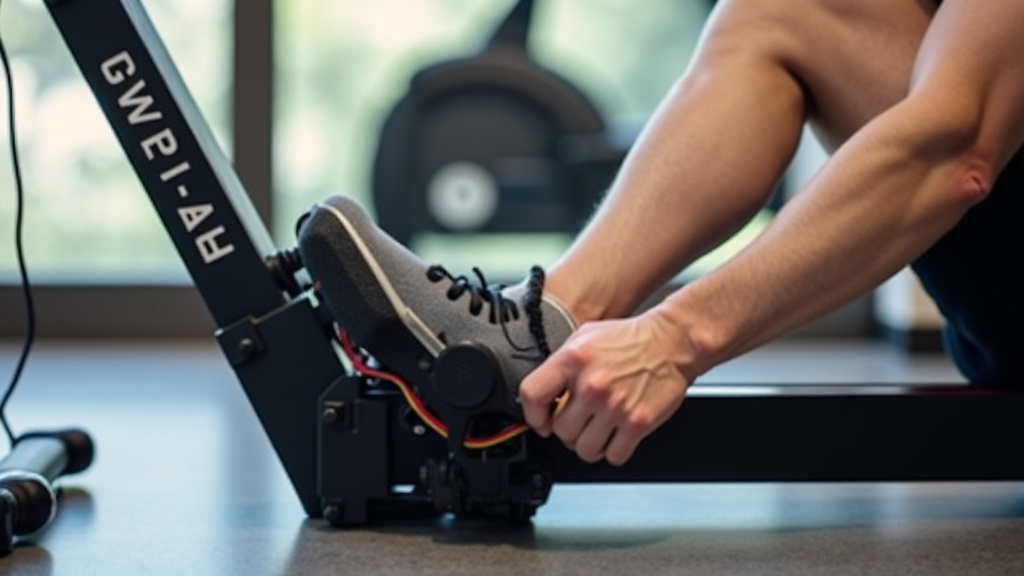
The Damper Setting: Air vs. Magnetic Differences
It’s important to distinguish between different types of rowers. While this post focuses on magnetic rowers, some machines have a “damper” or “air control” even if they are primarily magnetic. This is a point of confusion for many users.
Understanding the Damper on Hybrid Rowers
Some hybrid rowers combine magnetic resistance with an air-based damper. The air damper controls the airflow into a fan. More airflow generally means more resistance, similar to a fan rower. If your machine has such a damper, ensure it’s not set to “open” or a low setting. This would allow too much air through, reducing the overall resistance felt, even if the magnets are working perfectly. If your machine has a damper, understanding the damper setting is crucial for proper resistance.
We’ve found that users with these hybrid models sometimes struggle because they think they only have magnetic resistance. They’ll crank up the magnetic setting but forget about the damper. It’s like trying to fill a bucket with a small hole in it – you’re adding water, but it’s escaping quickly! Always check all resistance-related controls.
Routine Maintenance for Optimal Resistance
Just like any piece of equipment, your magnetic rower needs a little TLC. Regular maintenance can prevent issues like weak resistance from popping up in the first place.
Cleaning Your Rower
Dust and debris can accumulate over time. This can interfere with moving parts. Pay special attention to areas around the flywheel and any exposed mechanisms. A clean machine runs more smoothly. Use a damp cloth to wipe down surfaces. For internal components, a soft brush might be helpful.
Lubrication: Where and When
Specific moving parts may require lubrication. This could include pivot points or slide rails. Again, your user manual is the best guide. Over-lubricating or using the wrong type of lubricant can sometimes cause more problems than it solves. Many magnetic rowers require very little lubrication, but checking is wise. A well-oiled machine often feels more responsive.
Quick Troubleshooting Checklist
Before calling for service or giving up, run through these quick checks:
- Check the Resistance Setting: Is it turned up high enough on your dial or console?
- Inspect the Drive Belt/Chain: Does it look worn, loose, or dirty?
- Clean the Machine: Remove any dust or debris, especially around the flywheel.
- Lubricate as Needed: Refer to your manual for specific lubrication points.
- Check for Loose Parts: Ensure all visible screws and bolts are tightened.
- Reset the Console (if applicable): Sometimes a simple power cycle can fix electronic glitches.
Conclusion
It’s frustrating when your magnetic rower feels weak, but you’ve learned that the fix is often simple. We’ve walked through common issues like low resistance settings and even magnet misalignment. Don’t forget to check your drive belt or chain for proper tension and wear.
These steps can restore that satisfying workout feel. Before you assume the worst, give these troubleshooting tips a try. Your next great workout is just a few adjustments away!
Frequently Asked Questions
How often should I clean my magnetic rower?
You should aim to wipe down your magnetic rower after each workout to remove sweat and dust. A more thorough cleaning, including checking any accessible moving parts, can be done monthly. Keeping your machine clean ensures smooth operation and helps maintain resistance.
Can a loose magnet cause weak resistance?
Yes, a loose or misaligned magnet can definitely cause weak resistance. The magnetic pull is what creates the resistance, so if the magnets aren’t positioned correctly near the flywheel, their force is reduced. You might need to consult your manual to see if you can safely reposition them.
My rower has a dial and a damper – which one controls the resistance?
On hybrid rowers that have both a dial and a damper control, both can affect your resistance. The dial typically adjusts the magnetic resistance, while the damper controls airflow (if your machine has an air component). You need to ensure both are set appropriately for your desired workout intensity.
Is it normal for resistance to feel different at very high speeds?
Generally, magnetic rowers provide a consistent resistance regardless of speed, unlike air rowers where resistance increases with effort. If you notice a significant drop in resistance only when you row very fast, it might indicate a slipping belt or a problem with the flywheel mechanism that needs closer inspection.
What if my rower is still weak after checking everything?
If you’ve gone through all the checks and your rower’s resistance still feels weak, it’s likely time to contact the manufacturer or a qualified service technician. There might be an internal component failure or wear that requires professional attention to diagnose and repair.
