Why Is Your Air Rower Fan Whistling?
A whistling air rower fan usually points to something rubbing, loose, or caught near the fan. Stop rowing, unplug any powered console, and inspect the air path and covers before using the machine again.
On this page (9 sections)
- What does an air rower fan whistling sound mean?
- What should you check first?
- Could the whistle come from a different part?
- Can dust or a blocked air path cause a whistle?
- Should you lubricate the fan or nearby parts?
- What if the whistle starts after adjusting resistance?
- When should you stop using the rower?
- Can a treadmill lubricant quiet an air rower?
- What should you do if the air rower keeps whistling?
A whistling air rower fan usually points to airflow through a narrow gap, debris, or a part rubbing near the fan. Stop rowing and inspect the air inlet and covers before your next workout; don't put your fingers or tools through the guard.
Air rowers make a broad rush of air as the fan turns. A new, high-pitched whistle is different enough to investigate, especially if it started suddenly or changes with each stroke.
What does an air rower fan whistling sound mean?
An air rower fan whistling sound usually means air is passing through a small opening or something is vibrating or rubbing. The sound alone can't identify the exact part, so start with visible, low-risk checks.
Notice when the whistle happens. If it tracks your stroke rate, the source may be somewhere in the moving fan or its airflow path; if it continues while the machine slows down, a loose cover or other moving part may be involved.
For belt issues, see how to fix a loose rowing machine belt.
Compare the noise with the rower's usual sound at an easy pace. A rushing whoosh is expected on an air rower, but a sudden tonal whistle, scrape, or rattle deserves a closer look.
What should you check first?
Stop the flywheel completely, then check the exterior air openings and covers. Keep hands, clothing, and tools away from the fan while it is moving.
Look for lint, pet hair, paper, or other debris around the intake and exhaust. Remove only what you can safely reach from the outside, following the manual; don't push anything through the guard.
Check that the fan housing or cover appears seated and that visible fasteners aren't loose. Don't tighten parts unless the manual describes how, since over-tightening or opening the housing can cause damage.
If you find a crack, bent guard, loose component, or something caught inside, stop there. Contact the manufacturer or a qualified service provider for instructions.
Could the whistle come from a different part?
Yes, a noise that seems to come from the fan can travel from another moving part. Listen from a safe distance and note whether the sound changes with the chain, handle, seat, or footrests.
See water rower strap rewind fix for details.
A squeak that occurs only as you pull may come from the chain or its path. Follow your rower's maintenance guide for chain care; our guide to how to oil a Concept2 rower chain covers that specific maintenance task.
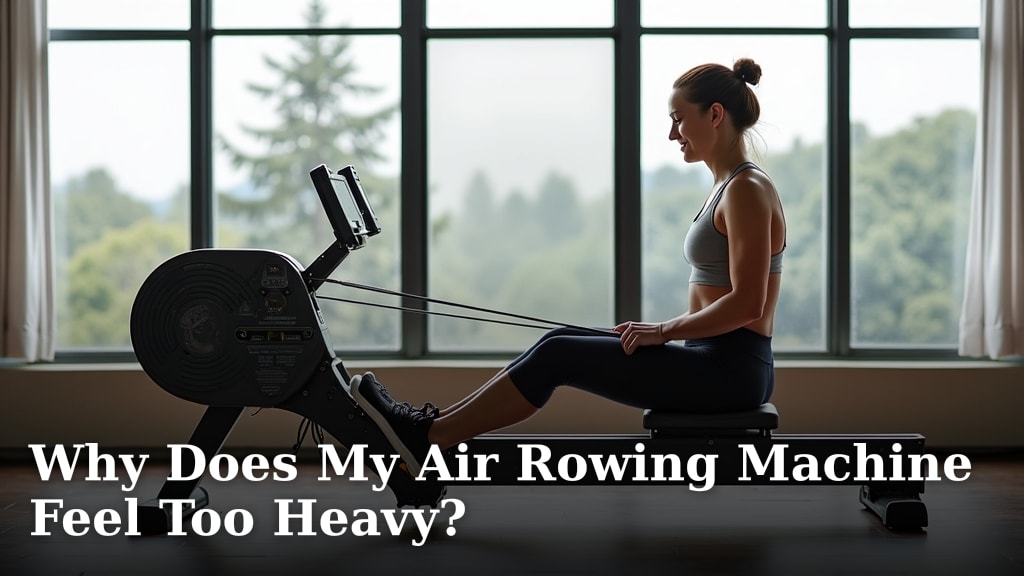
A change in effort can also come from resistance or drive components, rather than a fan fault. If the row feels unusually heavy as well as noisy, see why an air rowing machine can feel too heavy.
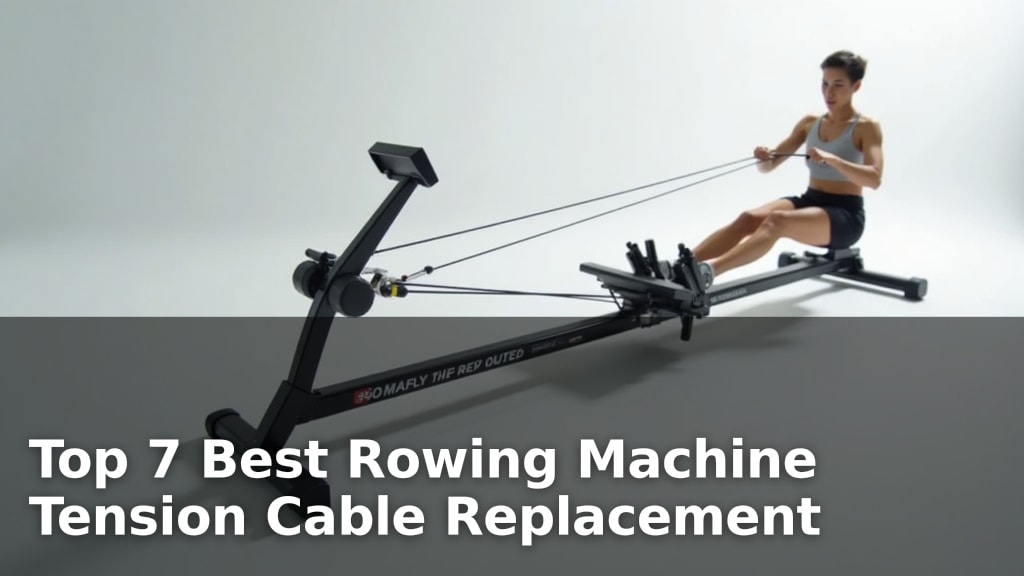
For a rower with cable resistance, inspect the cable only as directed by its manual. Our overview of rower tension cable replacement options may help if the cable is frayed or damaged.
Can dust or a blocked air path cause a whistle?
Dust or an obstruction near the fan can change airflow and make a new sound. With the rower stopped, clear only exterior debris using the cleaning method the manual allows.
Avoid compressed air or liquids unless the manufacturer specifically recommends them. Blowing debris deeper into the housing can make the problem harder to find, and moisture can affect parts that should stay dry.
Clean around the machine as well as the rower. Dust and pet hair on the floor can be drawn toward the intake during use, so regular vacuuming may help reduce buildup.
Should you lubricate the fan or nearby parts?
Only lubricate a point that the manual identifies, using the product it approves. A fan whistle doesn't prove that a bearing or other part needs lubricant.
Don't spray lubricant into the fan opening, onto the flywheel, or through a guard. Some products are intended for tracks, cables, or machinery surfaces, but that doesn't make them suitable for every rower component.
If your manual permits a compatible lubricant for a specific moving part, these options may be useful for that stated purpose:
Skip lubricant if the manual doesn't name the point or product. For general care, see how to use an air rowing machine and follow the machine's maintenance directions.
What if the whistle starts after adjusting resistance?
Check that the resistance setting and any adjustment parts are in their normal position. Don't force a control that feels stuck or keep rowing if it changes the sound sharply.
Some machines alter airflow or resistance with a damper, while others use different systems. The manual explains how your rower's controls should move; if resistance has also stopped working as expected, read why rowing machine resistance may not be working.
A change in resistance can make normal fan noise seem louder because you may be rowing harder. Compare sounds at the same pace and setting, and stop if you hear rubbing, grinding, or new vibration.
When should you stop using the rower?
Stop using it if the whistle comes with scraping, vibration, a loose guard, or visible damage. These signs can point to a part that needs service before the flywheel is used again.
Don't remove a fan cover to investigate unless the manufacturer gives clear instructions for that repair. Contact support with the model name, when the sound occurs, and whether it changes during spin-down.
If the rower is new or still covered by a service plan, check the manufacturer's support guidance before attempting repairs. See Concept2 PM5 update for details.
For a damaged display, see Concept2 PM5 monitor replacement.
The Concept2 indoor rower maintenance guide is one example of a manufacturer source for model-specific care; use the manual for your own rower if it differs. See How to Clean a WaterRower Tank for details.
Can a treadmill lubricant quiet an air rower?
A treadmill belt lubricant is for treadmill belt maintenance, not a default fix for a rower whistle. Use it on a rower only if the rower manufacturer specifically approves that product and names the part.
A lubricant made for one machine may not suit another. Keep rower maintenance tied to its manual, and don't apply products to the fan, belt, or chain based on sound alone.
What should you do if the air rower keeps whistling?
If the whistle disappears after you remove reachable debris or reseat an exterior cover as instructed, listen again at an easy pace. If it remains, gets louder, or comes with scraping or wobble, stop and ask the manufacturer to inspect it.
For a quieter routine, clear floor dust near the intake, keep objects away from the fan openings, and follow the maker's cleaning schedule. When comparing machines, the best air rowing machine options can help you weigh the style and maintenance needs that fit your space.
When an air rower fan whistling sound starts, check airflow and exterior parts first, then stop if the noise points to damage. Use lubricant only at a manual-approved point, and get service when the cause isn't clear.
Frequently asked questions
Why is my air rower fan whistling?
A whistle often means air is passing through a gap or a part is rubbing, loose, or catching near the fan. Stop rowing and inspect the fan cover and air inlet for debris or damage without reaching inside.
If the noise persists or the fan looks damaged, contact the manufacturer before using the rower.
Is a whistling air rower fan normal?
Air rowers normally make rushing air and mechanical sounds as the fan speeds up, but a new, sharp whistle deserves an inspection. Note whether it happens throughout the stroke, only at high effort, or while the flywheel spins down.
A change in sound can help narrow down whether the cause is airflow or a moving part.
Can I lubricate an air rower fan to stop a whistle?
Don't spray or grease the fan just to quiet a whistle. Lubricant in the wrong place can collect dust or reach parts that should stay dry.
Check the owner's manual for approved lubrication points and products, and apply only where it directs; if the source is unclear, ask the manufacturer.
Can I keep rowing if the fan is whistling?
Pause use until you've checked for loose covers, visible debris, and signs of rubbing. Don't reach into a moving fan or remove a guard unless the manual explains how to do so safely.
If the whistle continues, grows louder, or comes with vibration or scraping, stop and arrange service.